






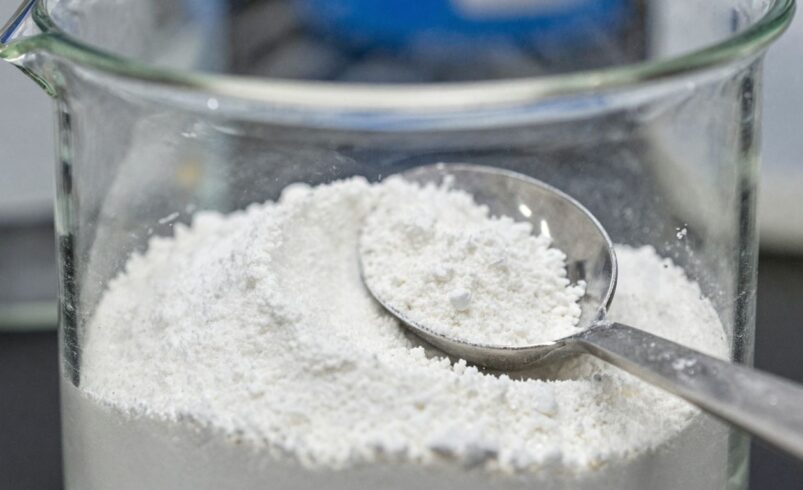

So, you’ve got your SARM powder and you’re ready to go. But wait, how do you actually get it ready to use? It’s not as simple as just dumping it into something. Learning how to mix powder SARMs correctly is a big deal if you want them to work right. Mess it up, and you might end up with something that’s not as strong, or worse, something that’s unstable. This guide is here to walk you through the whole process, from picking the right liquid to storing it so it lasts. We’ll break down the steps so you can feel confident about what you’re doing.
Key Takeaways
- When you’re mixing SARM powder, make sure you pick the right liquid, like bacteriostatic water or sterile water, and mix it gently. Shaking can mess things up.
- Getting the amount right is super important. Use an insulin syringe for small, exact doses and always double-check your measurements before you use it.
- Once you’ve mixed your SARMs, store them properly. Keep them in a cool, dark place, and make sure the container is sealed tight to keep them good.
- Be aware that SARMs can come in different forms, like isomers or different crystal structures. This can affect how they work and how you should handle them.
- If you run into problems, like the powder not dissolving or seeing foam, don’t panic. There are ways to fix these common issues, and knowing the signs of bad SARMs is helpful.
Understanding SARM Powder Reconstitution
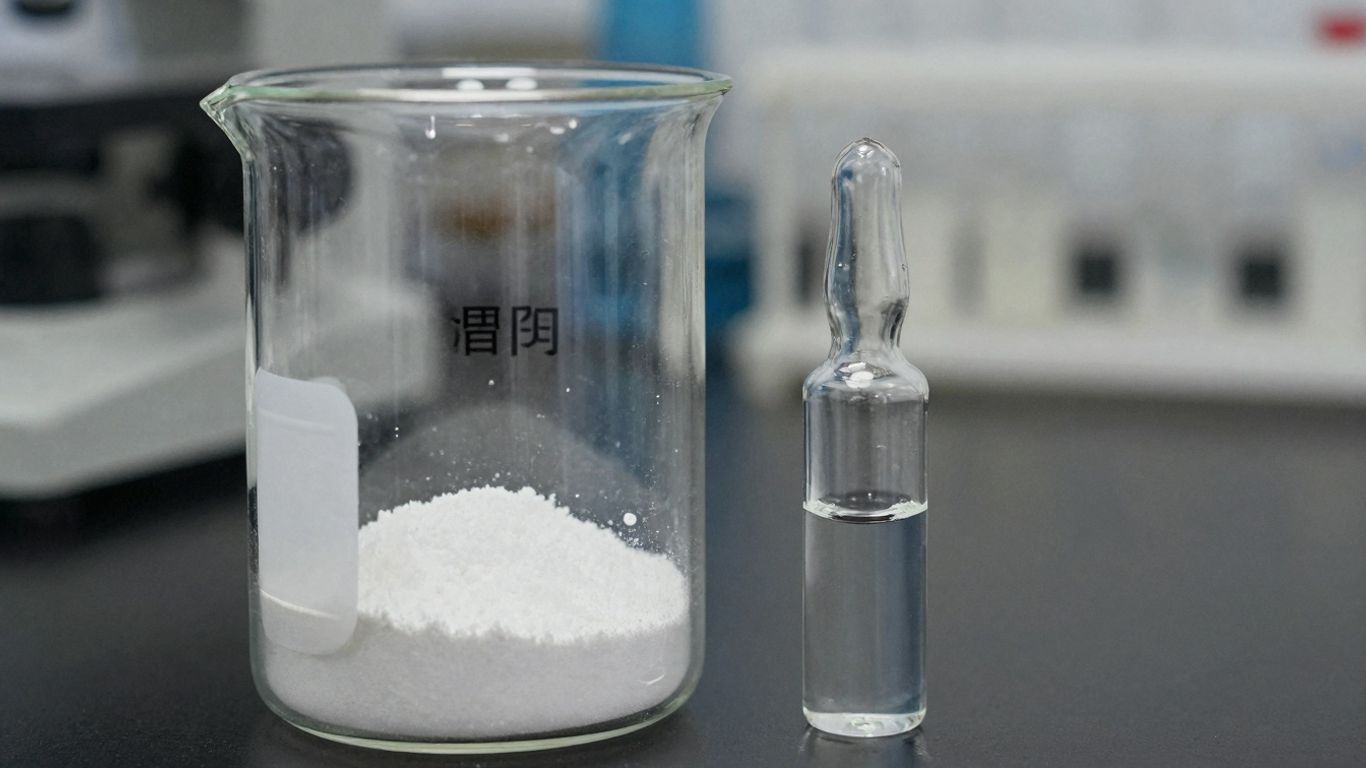
The Purpose of Reconstituting Powder SARMs
SARMs often come as raw powders. You need to mix them with a liquid. This process is called reconstitution. It makes the SARM usable. The liquid helps deliver the SARM into your body. It’s a key step for anyone using these compounds.
Essential Components for SARM Reconstitution
Reconstitution needs a few things. You’ll need the SARM powder itself. You also need a sterile liquid, called a diluent. A sterile syringe is important for measuring. A sterile vial or container holds the final mix. Cleanliness is super important here.
Choosing the Correct Diluent for Your SARMs
The liquid you pick matters a lot. It affects how long the SARM lasts. It also impacts how well it works. Some liquids are better than others. You need to pick one that is safe and effective. This choice is not something to guess at.
The goal is to create a stable, usable solution. This means using sterile tools and the right liquids. Proper reconstitution prevents waste and ensures you get what you expect from your compounds. It’s a foundational step for any user. Always prioritize safety and sterility in this process. This is also true when considering things like Aromasin (exemestane) for managing estrogen levels.
Here are some common diluents:
- Bacteriostatic Water
- Sterile Water
- Sometimes, specific alcohols are used, but with caution.
Each has its own pros and cons. We’ll look at those next.
Selecting the Appropriate Diluent
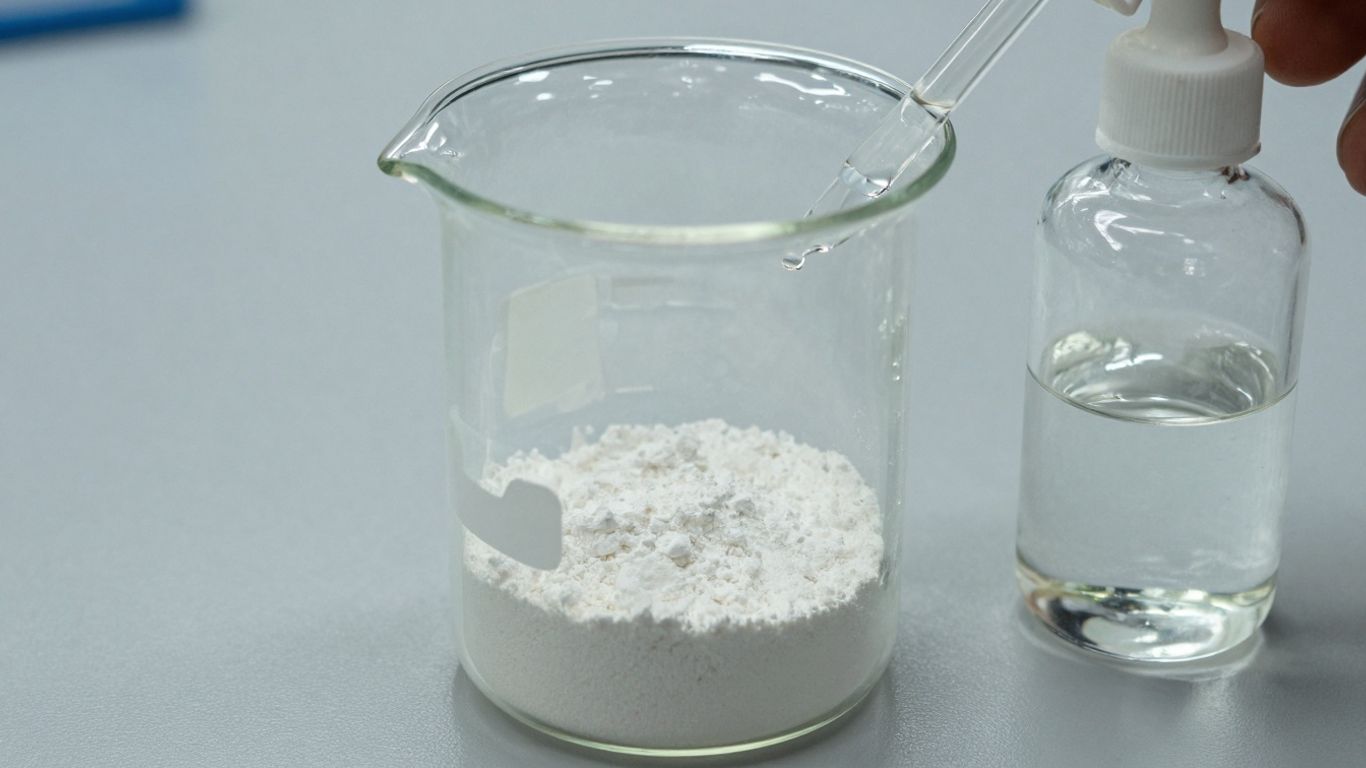
Choosing the right liquid to mix with your SARM powder is a big deal. It affects how well it dissolves and how long it stays good. You’ve got a couple of main options here, and picking the best one depends on what you’re trying to do.
Bacteriostatic Water: Benefits and Considerations
Bacteriostatic water (BW) has a little bit of benzyl alcohol in it. This alcohol stops bacteria from growing in your mixture. This makes BW a good choice if you plan to store your reconstituted SARMs for a while. It helps keep the solution from getting contaminated over time. However, some people might be sensitive to benzyl alcohol. If that’s you, you’ll want to look at other options.
Sterile Water: When to Use It
Sterile water (SW) is just plain water, with no added preservatives. It’s super pure. SW is a great pick if you’re going to use your reconstituted SARMs pretty quickly after mixing. Since it lacks preservatives, it’s ideal for those who want the simplest possible mixture. It’s also the way to go if you’re worried about any reaction to benzyl alcohol. You can find sterile water for injection at most pharmacies.
Factors Influencing Diluent Choice
Your decision really comes down to a few things. How long do you need to keep the mixture? Are you sensitive to any ingredients? The main goal is to get the SARM dissolved properly and keep it stable.
Here are some points to think about:
- Storage Duration: Longer storage favors bacteriostatic water.
- Personal Sensitivity: Avoid benzyl alcohol if you react to it.
- Usage Speed: If you’ll use it fast, sterile water is fine.
- Purity: Sterile water offers a more basic solution.
Remember, the goal is a stable, usable solution. Don’t overcomplicate it, but do pay attention to the details. Getting the right diluent is a key step in preparing your SARM compounds correctly.
Mastering the Mixing Process
Gathering Necessary Equipment
Getting your SARMs ready involves a few key items. You’ll need your SARM powder vial and the right liquid. Don’t forget sterile syringes and alcohol swabs for cleaning. Having everything ready makes the process smooth.
Sterilization Techniques for Safe Mixing
Cleanliness is super important here. Always wipe down the rubber stopper on your SARM vial and the diluent vial. Use a fresh alcohol swab for each. This stops any unwanted germs from getting into your mix. A sterile environment prevents contamination.
Gentle Mixing for Optimal SARM Stability
Once you add the liquid, mix it gently. Swirl the vial slowly until the powder dissolves. Avoid shaking the vial hard. Vigorous shaking can break down the SARM molecules. Patience here keeps your SARMs working right.
Achieving Accurate SARM Measurements
Getting the dose right is super important. Too little, and you might not get the results you want. Too much, and well, that’s not good either. Precision here really matters for what you’re trying to do.
The Importance of Precise Dosing
SARMs are potent compounds. Even small differences in dosage can change the outcome. You need to know exactly how much you’re taking. This helps you stay safe and get consistent results. Accurate measurement is the foundation of effective SARM use.
Utilizing Insulin Syringes for Accuracy
Insulin syringes are your best friend for this. They have markings that let you measure very small amounts. Look for syringes marked in milliliters (mL) or units. Make sure the markings are clear and easy to read. This tool helps you avoid guesswork. You can find these at most pharmacies or online suppliers.
Double-Checking Your Measurements
Always double-check before you draw up your dose. Look at the syringe markings carefully. Did you fill it to the correct line? It’s easy to make a small mistake. If you’re unsure, measure again. A quick second look can save you a lot of trouble later on. It’s a simple step that makes a big difference.
Here’s a quick guide to common syringe markings:
- 1 mL syringe: Typically marked in 0.1 mL increments. A common dose might be 0.5 mL.
- 3 mL syringe: Marked in 0.1 mL increments, but with larger volume capacity.
- Insulin syringes (Units): Marked in ‘units’, often 100 units per mL. Always confirm the concentration of your SARM solution.
Always use a clean, sterile syringe for each measurement. Contamination can affect both the SARM and your health. Never reuse syringes.
When preparing your solutions, remember that the concentration of your SARM powder will dictate the volume needed. For example, if you have 10mg/mL concentration and need a 5mg dose, you’ll draw up 0.5 mL. If you’re unsure about calculating concentrations, there are online tools that can help. Many users also find it helpful to create a small chart for their specific SARM concentrations and desired doses. This makes daily measurements much faster and reduces the chance of error. For more information on product testing and standards, you might look into NSF certified supplements.
Handling Different SARM Forms
SARMs come in various forms, and this affects how you measure them. Powdered SARMs need reconstitution. Liquid solutions are ready to go, but you still need to measure them accurately. Always know the concentration of your liquid SARM. This information is usually provided by the manufacturer. If you’re working with powder, you’ll need to calculate the final concentration after mixing. This calculation is key to getting your dose right. It involves the amount of powder and the volume of liquid used.
Proper Storage of Reconstituted SARMs
Maintaining Potency Through Correct Storage
Storing your reconstituted SARMs correctly is key. It keeps them potent and effective. Improper storage can degrade the compounds. This means you won’t get the results you expect. Always handle with care.
Ideal Storage Conditions for SARMs
Keep your mixed SARMs in a cool, dark place. Refrigeration is best for most solutions. Aim for temperatures between 2°C and 8°C. Avoid direct sunlight and heat sources. This helps prevent chemical breakdown.
Airtight Containers and Their Role
Use airtight containers for storage. This stops contamination from air and moisture. It also prevents evaporation of the solvent. Glass vials are a good choice. They are inert and easy to clean. Make sure the seal is tight.
- Store in a refrigerator (2-8°C).
- Keep away from light.
- Use sealed, inert containers.
- Label all vials clearly.
Proper storage is not just about maintaining potency. It’s also about safety. Degraded compounds can produce unwanted byproducts. Always store your solutions responsibly.
Handling Different SARM Forms
Understanding SARM Isomers and Purity
SARMs aren’t always just one single molecule. They can exist as different forms called isomers. These isomers have the same chemical formula but a different arrangement of atoms. This difference can affect how the SARM works in your body. Purity matters a lot here.
Considerations for Racemic vs. Enantiomerically Pure SARMs
Many SARMs have a chiral center. This means they can exist as a racemic mixture or as pure enantiomers (like R or S forms). A racemic mixture has equal parts of both forms. Enantiomerically pure forms contain only one specific isomer. The specific isomer can have different potencies or effects. Always check what form you have.
Polymorphism in SARM Compounds
Some SARM compounds can also exhibit polymorphism. This means they can exist in different crystal structures. These different structures can affect things like solubility and stability. It’s a bit like how water can be ice, liquid, or steam. Different crystal forms might dissolve differently or degrade faster. This is another reason why knowing your SARM’s exact form is important.
Troubleshooting Common Reconstitution Issues
Sometimes, things don’t go perfectly when you’re mixing your SARMs. Don’t worry, most problems are pretty simple to fix. Let’s look at what might happen and how to deal with it.
Addressing Incomplete Dissolution
It’s frustrating when your SARM powder doesn’t fully dissolve. This can happen if the powder is clumpy or if you haven’t used enough diluent. Patience is key here; sometimes, the powder just needs a little more time.
- Gently swirl the vial for a few more minutes.
- Ensure you’ve added the correct amount of diluent.
- Try warming the vial slightly by holding it in your hand.
If it still won’t dissolve, the SARM might be degraded or of poor quality. It’s best not to use it in that case.
Preventing Foam Formation During Mixing
Shaking the vial vigorously is a common mistake. This introduces a lot of air, creating foam that makes it hard to see and measure your solution. It can also potentially damage the SARM.
Instead of shaking, try these methods:
- Slowly inject the diluent down the side of the vial.
- Gently swirl or rock the vial.
- Let the vial sit undisturbed for a while to let bubbles settle.
Foam can make accurate dosing really difficult. Always aim for a clear, bubble-free solution.
Recognizing Signs of Degraded SARMs
Degraded SARMs won’t work as intended and could even be harmful. Look out for visual cues that something is wrong. These signs usually mean the compound is no longer stable.
- A cloudy or discolored solution is a major red flag.
- Unusual smells can also indicate degradation.
- If the powder itself looks off (e.g., clumpy, discolored) before mixing, be cautious.
If you notice any of these signs, it’s safest to discard the batch and start with fresh material. Don’t risk using a compromised product.
Advanced SARM Preparation Techniques
Synthesis Considerations for High Purity SARMs
Making SARMs at home can be tricky. Professional labs use specific methods. These methods aim for very pure compounds. They control reactions carefully. This helps avoid unwanted byproducts. High purity is key for predictable results.
The Role of Inert Solvents in Preparation
When you mix SARMs, the liquid matters. Inert solvents are often used in synthesis. They don’t react with the SARM itself. This keeps the compound stable. It also helps dissolve the powder evenly. Think of it as a neutral carrier. Using the right solvent prevents degradation. It’s a small detail with big impact.
Base Catalysis in SARM Synthesis
Some SARM creation involves base catalysis. A base helps speed up certain reactions. It can also guide the reaction pathway. This is important for making specific forms of SARMs. For example, it might help create a pure enantiomer. This level of control is hard to achieve outside a lab. It’s a technique for advanced users. You can find details on SARM synthesis methods.
Controlling the reaction environment is vital. This includes temperature, pH, and the chemicals used. Even small changes can affect the final product. Purity and stability depend on these factors. It’s a delicate balance.
Ensuring SARM Integrity Post-Mixing
The Impact of Temperature on SARM Stability
Temperature plays a big role in how long your mixed SARMs last. High heat can break them down faster. Keep your solutions cool to maintain their strength. This helps prevent unwanted chemical changes.
Protecting SARMs from Light Exposure
Light can also degrade SARMs. Think of it like leaving food out in the sun. Store your reconstituted SARMs in dark containers. This simple step protects them from light damage. It helps keep the compound stable.
Shelf-Life Expectations for Mixed SARMs
Properly stored, mixed SARMs can last a good while. Refrigeration is often recommended for longer storage. For short-term use, room temperature might be okay. Always check the specific recommendations for your compound. Following storage guidelines is key to getting consistent results.
Storing reconstituted solutions in smaller, separate portions can also help. This way, you only expose what you need to room temperature. The rest stays safely chilled. It’s a good practice for maintaining overall quality.
Wrapping It Up
So, we’ve gone over how to mix your powdered SARMs. It’s not exactly complicated, but doing it right matters if you want things to work as expected. Remember to keep things clean, use the right amounts of stuff, and store it all properly. Little details like these really add up. If you’re ever unsure about a step, it’s always better to double-check or ask someone who knows. Getting this part down means you’re set to move forward with your research. Good luck out there.
Frequently Asked Questions
What exactly is SARM powder reconstitution?
Reconstitution is basically like making instant coffee. You take the SARM powder, which is super stable when dry, and mix it with a liquid to turn it into a solution you can use. It’s like waking up the SARM for action.
Why can’t I just use regular water?
Regular water doesn’t have the right stuff to keep the SARM solution safe from tiny germs, and it doesn’t last very long. Special liquids like bacteriostatic water or sterile water are used because they are clean and help keep the SARM good for longer.
What’s the difference between bacteriostatic water and sterile water?
Bacteriostatic water has a tiny bit of a preservative in it to stop germs from growing, so it’s good for storing your mixed SARMs for a while. Sterile water is just pure water with nothing added, so it’s best if you plan to use your SARMs really soon.
How do I mix the SARM powder without messing it up?
The key is to be gentle! First, clean everything. Then, slowly add the liquid to the powder. Instead of shaking it like crazy, gently swirl the bottle until it all dissolves. Shaking can break down the SARM.
Why are insulin syringes so important for measuring?
SARMs need to be measured very carefully. Insulin syringes are designed to measure tiny amounts very accurately. This helps make sure you’re using the right dose every time, not too much and not too little.
How should I store my mixed SARMs to keep them strong?
Keep them cool, dark, and sealed up tight. Think of putting them in a fridge (but not freezing!) and in a container that doesn’t let air in. This helps stop them from losing their power.
What if the powder doesn’t dissolve completely?
Sometimes it just needs a little more time. Try letting the bottle sit for a bit longer after gently swirling. If it still looks clumpy, there might be an issue with the powder or how it was stored before you got it.
Are there different types of SARM powders I should know about?
Yes, SARMs can come in different forms, like mirror images (called isomers) or different crystal shapes (polymorphism). While you usually get a standard form, knowing these differences can matter for how pure and effective the SARM is.