







Thinking about testosterone enanthate? It’s a topic that comes up a lot, whether you’re into fitness or just trying to understand hormone health better. Basically, it’s a form of testosterone that doctors sometimes prescribe. We’re going to break down what it is, why people use it, and what you need to know about using it safely. There’s a lot of info out there, and some of it can be confusing, so let’s try to clear things up and make it easier to grasp.
Key Takeaways
- Testosterone enanthate is a synthetic version of testosterone used to treat low hormone levels, affecting things like muscle, energy, and sex drive.
- It can help build muscle and strength, boost energy and mood, and improve sexual health when levels are low.
- Safe use involves proper injection techniques, understanding potential side effects, and regular check-ups with a doctor.
- Common myths suggest it’s only for athletes or causes uncontrollable anger, but medical use is different and requires careful management.
- Monitoring your hormone levels through blood tests and keeping track of your symptoms is vital for effective and safe treatment with testosterone enanthate.
Understanding Testosterone Enanthate
The Role of Testosterone in the Body
Testosterone is a key hormone in the body. It helps develop male reproductive tissues. It also builds muscle and bone mass. This hormone influences many things. These include sex drive, energy, and mood.
Men produce most testosterone in their testes. Women make smaller amounts. Levels usually peak in young adulthood. After age 30, levels can slowly drop. This decline can cause fatigue and lower sex drive. Even women need testosterone for bone strength and muscle. Keeping levels right is important for health.
What Is Testosterone Enanthate?
Testosterone enanthate is a lab-made version of testosterone. It’s a long-acting ester. Doctors often prescribe it for testosterone replacement therapy. This treats low testosterone levels. It helps bring hormone levels back to normal. This can relieve symptoms of hormone decline. The injection releases testosterone slowly over time. This helps maintain steady levels in the blood. It works like the body’s natural hormone. This therapy is a proven way to improve health. You can find more details on testosterone replacement therapy.
Testosterone Enanthate vs. Testosterone Cypionate
Testosterone enanthate and cypionate are similar. They both deliver the same active hormone. However, they have slight differences. These affect how long they stay in the body.
| Feature | Testosterone Enanthate | Testosterone Cypionate |
|---|---|---|
| Ester Length | 7-carbon ester | 8-carbon ester |
| Half-Life | ~4.5 to 5 days | ~7 to 8 days |
| Injection Freq. | Every 5–7 days | Every 7 days |
Cypionate tends to keep levels more stable. Enanthate might leave the body a bit faster. This can allow for quicker adjustments. The choice often depends on what a doctor recommends. It also depends on what’s available. Both can give similar results. They are used for hormone optimization.
Proper use requires medical guidance. Regular checks are vital. This ensures safety and good results. It helps manage hormone levels effectively.
Key Benefits of Testosterone Enanthate
Enhancing Muscle Mass and Strength
Testosterone enanthate helps your body build muscle. It supports protein synthesis, which is how muscles grow. This means you can gain more lean muscle mass. You might also notice your muscles feel denser. This can lead to greater strength and better endurance during workouts.
Boosting Energy and Mood
Low testosterone can make you feel tired and down. It might also cause brain fog or irritability. Testosterone enanthate can help fix this. Many people report feeling more energetic and motivated. Their mood often improves too. This can make daily life feel much better.
Supporting Sexual Health and Libido
Testosterone plays a big part in your sex drive. Low levels can reduce your interest in sex. It might also lead to problems with erections. Testosterone enanthate can help restore normal sexual function. It can bring back a healthy libido and improve sexual satisfaction. This hormone is important for overall sexual well-being.
Administering Testosterone Enanthate Safely
Best Practices for Intramuscular Injections
Testosterone enanthate usually goes into a large muscle. Common spots are the glutes or thigh. This method helps your body absorb the hormone well. Always use a clean needle and syringe for each injection.
Here are some steps for a safe injection:
- Wipe the injection spot with alcohol first.
- Use a new needle and syringe every time.
- Push the needle in straight, at a 90-degree angle.
- Inject the medication slowly.
- Gently press the area after you finish.
Bad technique can cause problems. You might get an infection or pain. Poor absorption is also a risk. If you’re not sure how to do it, ask a doctor or nurse for help. They can show you the right way.
Understanding Injection Site Reactions
Sometimes, the spot where you inject can get irritated. This is called an injection site reaction. You might see redness, swelling, or feel some pain. These reactions are usually mild and go away on their own. Keeping the area clean helps prevent them. Using a new needle each time is also important.
If you notice signs of infection, like increasing redness, warmth, or pus, contact your doctor right away. These are not typical reactions and need medical attention.
Importance of Follow-Up Care
After you start testosterone enanthate, regular check-ups are a must. Your doctor will want to see you every 8 to 12 weeks. These visits are for monitoring your health. They will check your hormone levels. They also check other things like your red blood cell count. This helps make sure the treatment is working well. It also helps catch any issues early.
Potential Side Effects and Risks
While testosterone enanthate can offer benefits, it’s important to know about possible downsides. These can range from mild annoyances to more serious health issues. Understanding these risks helps you use the treatment more safely.
Common Adverse Effects to Monitor
Many people experience some side effects. These often depend on the dose and how long you use it. Some common issues include:
- Skin changes: Acne can pop up. You might also notice increased oiliness or even skin rashes.
- Mood swings: Some users report feeling more irritable or experiencing sudden mood shifts.
- Physical discomfort: Headaches and body aches are not uncommon.
- Sleep disturbances: Trouble sleeping or changes in sleep patterns can occur.
It’s also possible to see changes in cholesterol levels. Some users report hair loss or increased facial hair. These effects warrant attention and discussion with your doctor.
Mitigating Potential Risks
Several strategies can help lower the chances of experiencing negative effects. Sticking to prescribed doses is key. Your doctor can adjust your treatment plan if issues arise. Sometimes, other medications are used alongside testosterone therapy. These might help manage side effects or support your body’s natural hormone production. Regular check-ups are also vital for catching problems early. This proactive approach can make a big difference in your overall experience.
Paying attention to your body is the first step in managing potential risks. Don’t ignore new symptoms. Communicate openly with your healthcare provider about any changes you notice. This partnership is vital for safe and effective treatment.
Exacerbation of Pre-existing Conditions
Testosterone enanthate can sometimes make existing health problems worse. For example, it might affect people with sleep apnea. It can also impact those with enlarged prostates. Individuals with a history of heart issues need to be particularly cautious. There’s a potential for increased blood pressure with testosterone drugs, which over time raises cardiovascular risk. Always inform your doctor about all your health conditions before starting treatment. This allows them to assess the risks specific to you. They can then decide if testosterone enanthate is the right choice for your situation. Monitoring is key for anyone with underlying health concerns.
Debunking Common Myths
Testosterone enanthate often gets a bad rap due to misinformation. Let’s clear up some common misunderstandings about its use and effects.
Myth: Exclusively for Bodybuilders
This is a big one. While athletes and bodybuilders might use it, testosterone enanthate is a legitimate medical treatment. Doctors prescribe it for conditions like hypogonadism. This means a person’s body doesn’t produce enough testosterone naturally. It’s also used for delayed puberty. So, it’s not just about building muscles.
Myth: Inevitable ‘Roid Rage’
The idea of uncontrollable anger, often called ‘roid rage,’ is largely a myth. When used as prescribed by a doctor, testosterone therapy can actually help stabilize mood. Extreme aggression is more often linked to abusing very high doses. Responsible use doesn’t typically lead to this.
Myth: Instant Muscle Gains Without Effort
Testosterone enanthate can help build muscle, but it’s not magic. You still need to put in the work. Consistent training and a good diet are absolutely necessary. It acts more like a boost to your efforts, not a replacement for them. It amplizes results, but doesn’t create them from nothing.
It’s important to remember that any hormone therapy carries risks. Always discuss these with your healthcare provider. They can help you understand what to expect and how to manage potential issues. Proper medical guidance is key for safe and effective treatment.
Here’s a quick look at what testosterone enanthate is prescribed for:
- Hypogonadism (low testosterone)
- Delayed puberty in males
- Gender-affirming hormone therapy
- Certain types of anemia
It’s crucial to get testosterone therapy under medical supervision. This helps manage potential side effects and ensures you’re getting the right dosage for men.
Monitoring Testosterone Levels
Essential Lab Tests for Optimal Health
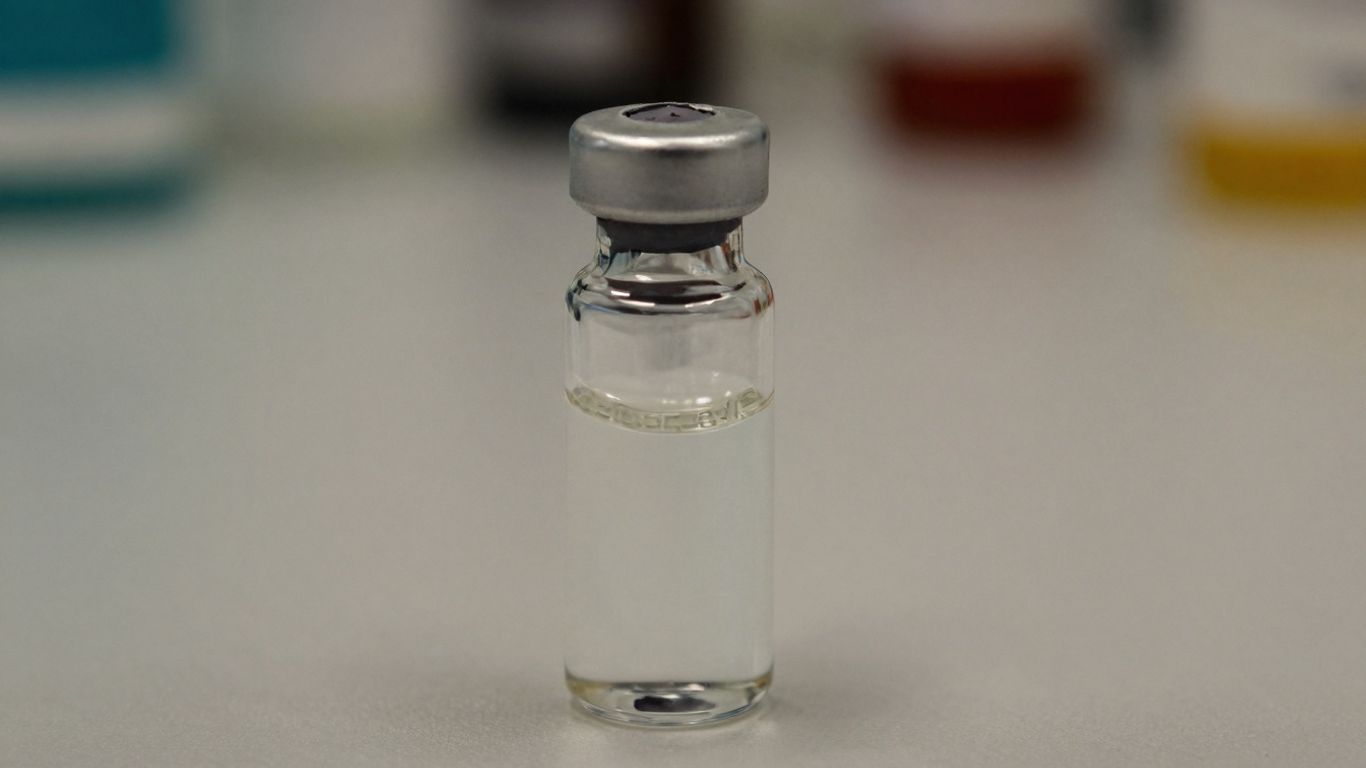
Keeping tabs on your testosterone levels is pretty important. It helps make sure your treatment is working right. Doctors often order a few key tests before you even start. This includes a complete blood count. They also check your Prostate-Specific Antigen (PSA) levels. A digital rectal exam is common too. These initial tests look for any prostate issues. They establish a baseline for your health.
The Significance of Regular Blood Work
After starting testosterone therapy, regular blood work is a must. It checks your testosterone levels. It also monitors for any side effects. Doctors usually recheck these within three to six months. If things look good, yearly checks might be enough. An elevated hematocrit level above 54% needs attention. This might mean lowering your dose or changing your treatment. A significant rise in PSA also requires further investigation.
Utilizing Symptom Journals for Self-Awareness
Lab tests tell part of the story. Your own experiences tell the rest. Keeping a journal of your symptoms can be really helpful. Note down how you feel day-to-day. Track your energy levels and mood. Record any changes in your sex drive. This journal helps you and your doctor see the full picture. It aids in fine-tuning your dosage. It helps identify issues between appointments. This self-awareness is key to successful treatment. Remember to get your blood tested midway between doses for an accurate reading [daa3].
Monitoring your testosterone levels isn’t just about numbers on a page. It’s about how you feel and function. Combining lab results with your personal observations gives the best insight into your treatment’s effectiveness and safety.
Dosage Guidelines for Testosterone Enanthate
Factors Influencing Appropriate Dosage
Figuring out the right dose of testosterone enanthate isn’t a one-size-fits-all thing. Your age and weight play a part. Your medical history is also super important. The specific reason you’re taking it matters a lot too. Doctors consider all these things when deciding your dose.
Typical Dosage Ranges for Men and Women
For men with low testosterone, doses often fall between 50 to 400 mg. This is usually given every two to four weeks. Women need much lower amounts. Their doses are typically 5 to 20 mg. This is also given every two to four weeks. It’s vital to get your hormone levels checked regularly. This helps make sure the dose is right for you.
| Group | Typical Dose Range | Frequency |
|---|---|---|
| Men | 50-400 mg | Every 2-4 weeks |
| Women | 5-20 mg | Every 2-4 weeks |
The Importance of Dosage Fine-Tuning
Getting the dose just right is key. Too much or too little can cause problems. Your doctor will adjust your dose based on your blood work. They also look at how you’re feeling. This fine-tuning helps you get the best results. It also keeps side effects to a minimum. Regular check-ups are a must for this process. You can find more information on oral testosterone therapy here.
Fine-tuning your dosage ensures you get the benefits without unwanted issues. It’s a careful balance that requires medical guidance. Always talk to your doctor about any changes you feel.
It’s important to remember that testosterone enanthate is a prescription medication. You should only use it under the guidance of a qualified healthcare provider. They will help you determine the correct dosage and monitor your progress. This ensures your treatment is both safe and effective. Self-medicating can lead to serious health risks. Always follow your doctor’s advice closely.
Legal and Ethical Considerations
Prescription Requirements and Legality
Testosterone enanthate is a controlled substance in many places. This means you need a doctor’s prescription to get it legally. Using it without a prescription is against the law. There can be serious legal trouble if you’re caught with it illegally. Always get it from a licensed pharmacy with a valid prescription.
Ethical Use in Sports and Athletics
Sports organizations ban testosterone. The World Anti-Doping Agency (WADA) has strict rules. Athletes caught using banned substances face penalties. These can include being disqualified or suspended from competitions. Honest competition relies on fair play.
Responsible Medical Practice Guidelines
Doctors must follow specific rules when prescribing testosterone. They need to talk openly with patients. They should explain all the risks and benefits. Using only doctor-approved products is key. Patients should never use testosterone without medical guidance. Healthcare providers focus on patient safety first. They document everything to show informed consent was given.
Wrapping Up: Making Smart Choices About Testosterone Enanthate
So, we’ve talked a lot about testosterone enanthate. It can really help folks with low testosterone feel better, not just with muscles, but with energy, mood, and just generally feeling more like themselves. But, and this is a big ‘but,’ you really need to know the risks involved and have a doctor watching over you. It’s not something to mess with on your own. By getting the facts straight and ditching the old myths, you can figure out if this is the right path for you. Working with your doctor is key to getting the dose just right, so you get the good stuff without too many bad side effects. Keeping up with check-ups and talking openly with your doctor makes sure everything stays safe and works well. Used the right way, and with a doctor’s guidance, testosterone enanthate can be a real game-changer for your health and fitness goals.
Frequently Asked Questions
What exactly is testosterone enanthate?
Testosterone enanthate is like a man-made version of the natural testosterone hormone your body makes. It’s given as a shot and helps keep your testosterone levels steady for a longer time, which can help with problems caused by not having enough of this hormone.
Why do people use testosterone enanthate?
Many people use it to help with issues like low energy, feeling down, or not having much interest in sex, which can happen when testosterone levels drop. It can also help build muscle and strength, making it popular for fitness goals.
Is testosterone enanthate only for bodybuilders?
Not at all! While bodybuilders might use it, it’s mainly prescribed by doctors to treat actual medical conditions like low testosterone in men. It’s not just for looking strong; it’s about improving overall health when hormone levels are off.
Does testosterone enanthate cause ‘roid rage’?
That’s mostly a myth. When used correctly under a doctor’s care, it can actually help make moods more stable. Extreme anger is usually linked to taking way too much without medical guidance.
Will I get huge muscles instantly if I take testosterone enanthate?
It helps your muscles grow, but it’s not magic! You still need to work out hard and eat right. Think of it as a helper that makes your efforts pay off more, not a replacement for hard work.
How is testosterone enanthate given?
It’s usually given as a shot into a muscle, like your thigh or buttock. It’s important to learn the right way to do it or have a nurse or doctor show you to avoid problems like infection or pain.
What are some possible side effects I should know about?
Some common things to watch for include acne, hair loss, and changes in mood. In some cases, it can also affect red blood cell count or natural hormone production. That’s why regular check-ups with your doctor are super important.
Do I need a prescription to get testosterone enanthate?
Yes, absolutely. In most places, including the U.S., testosterone enanthate is a controlled substance. You need a valid prescription from a doctor to get it legally and safely. Using it without one is against the law.