








So, you’ve probably heard about SARMs, or Selective Androgen Receptor Modulators. They’ve popped up a lot lately, especially in fitness circles, with people talking about building muscle and shedding fat. But what’s the real deal with these research SARMs legit or just hype? We’re going to break down what they are, how they work, and why there’s so much talk about their potential benefits versus some pretty serious risks. It’s a bit of a murky area, and understanding it is key if you’re considering them or just curious.
Key Takeaways
- SARMs are synthetic compounds that interact with the body’s androgen receptors, aiming for muscle-building effects with potentially fewer side effects than steroids.
- Despite being illegal for human use, SARMs are often sold as ‘research chemicals,’ creating loopholes that allow for widespread recreational use, heavily influenced by social media.
- While SARMs show promise for treating conditions like muscle wasting and osteoporosis, their recreational use carries significant health risks, including potential harm to cardiovascular health and the liver.
- Popular SARMs like Ostarine, Ligandrol, and Testolone are under scrutiny for their effects and associated adverse incidents, especially when used at high doses.
- More scientific research is needed to fully understand the long-term effects and safety of SARMs, distinguishing legitimate research from dangerous abuse.
Understanding Selective Androgen Receptor Modulators
Mechanism of Action on the Androgen Receptor
Selective Androgen Receptor Modulators, or SARMs, are a specific type of compound. They interact with the body’s androgen receptor (AR). Think of the AR as a lock. Androgens, like testosterone, are keys that fit this lock. When a key fits, it signals cells to do certain things. SARMs are designed to fit this AR lock too. They can act like agonists, turning the signal on. Or they can act as antagonists, blocking the signal.
Synthetic Ligands Binding to the AR
SARMs are synthetic molecules. This means they are made in a lab, not found naturally. They are designed to bind to the androgen receptor. This binding is specific. The goal is to mimic some effects of natural androgens. However, they aim to do this without causing all the side effects associated with traditional steroids. This selective binding is key to their function. It’s how they differ from other compounds that interact with the AR.
Tissue Selectivity and Oral Bioavailability
One of the main ideas behind SARMs is tissue selectivity. This means they are supposed to affect certain tissues more than others. For example, they might target muscle and bone. They are also designed to be orally bioavailable. This means you can take them by mouth, like a pill. This is a big difference from many anabolic steroids. Those often require injections. This oral route makes them more convenient for users.
The Rise of Research SARMs Legitimacy
Marketing as Research Chemicals
Many companies sell SARMs online. They label them as "research chemicals." This allows them to bypass certain regulations. This marketing strategy creates a loophole for distribution. People can buy these compounds without much oversight. The intent is often for scientific study, but the reality is different.
Loopholes in Regulation
SARMs are not approved for human use by agencies like the FDA. However, they are legal to sell for research purposes. This creates a gray area. Many users buy them for personal use, not lab work. This lack of strict control contributes to their widespread availability. It’s a complex regulatory landscape.
Social Media’s Influence on Use
Social media platforms play a big role. Fitness influencers often promote SARMs. They share their experiences and results. This makes SARMs seem accessible and effective. Many users get their information from these online communities. This exposure drives demand for these substances. It’s a powerful way to spread awareness. You can find discussions about performance-enhancing substances on many forums.
Potential Therapeutic Applications of SARMs
Treating Muscle-Wasting Conditions
SARMs show promise for conditions like muscle wasting. Diseases such as cancer and AIDS can cause significant muscle loss. This loss is known as cachexia. SARMs might help rebuild or preserve muscle mass in these patients. They target muscle tissue specifically. This could offer a better treatment option than general hormone therapy.
Addressing Osteoporosis and Sarcopenia
Bone health is another area where SARMs could help. Osteoporosis weakens bones, making them prone to fractures. Sarcopenia is the age-related loss of muscle mass and strength. SARMs can bind to androgen receptors in bone and muscle. This action may help increase bone density. It could also improve muscle strength and function in older adults.
Role in Hypogonadism and Male Contraception
Hypogonadism is a condition where the body doesn’t produce enough testosterone. SARMs could potentially treat this. They might boost testosterone levels in target tissues. This could be done without the side effects of traditional testosterone replacement. Researchers are also exploring SARMs for male contraception. They might suppress sperm production. This could offer a reversible birth control method for men.
Recreational Use and Performance Enhancement
Popularity in Bodybuilding and Fitness
SARMs have become quite popular in fitness circles. Many people use them hoping to build muscle. They also use them to burn fat. Some users report faster recovery between workouts. This has led to their widespread use outside of medical research.
Comparison to Anabolic Steroids
SARMs are often marketed as a safer alternative to anabolic steroids. They are synthetic compounds. They bind to androgen receptors. This is similar to steroids. However, they are designed to be more selective. This means they might affect muscle and bone more. They might affect other tissues less. This is the theory, anyway.
Reported Muscle-Building Properties
Users report significant gains in muscle mass. They also mention increased strength. Some claim they help cut body fat. These effects are why athletes and bodybuilders are interested. The compounds are not approved for human use. They are often sold as "research chemicals." This allows them to bypass some regulations. This makes them easily accessible online. Many people buy them without medical supervision. This is a major concern for health professionals.
Safety Concerns and Adverse Health Implications
Using SARMs can bring about some serious health issues. People often think they are safer than steroids, but that’s not always true. The body’s systems can react in unexpected ways.
Cardiovascular Health Risks
SARMs might put your heart at risk. Some studies suggest a link between SARM use and heart problems. This could include issues like myocarditis or other cardiac events. The exact reasons are still being studied, but it’s a significant concern.
Potential for Liver Strain
Your liver works hard to process everything you consume. SARMs can add extra stress to your liver. This strain can potentially lead to damage over time. It’s important to be aware of this risk, especially with prolonged use.
Impact on Lipid Profiles and Blood Pressure
SARMs can mess with your cholesterol levels. They might lower good cholesterol (HDL) and raise bad cholesterol (LDL). This imbalance can lead to plaque buildup in arteries. Blood pressure can also be affected, adding further strain to your cardiovascular system.
Specific SARMs Under Scrutiny
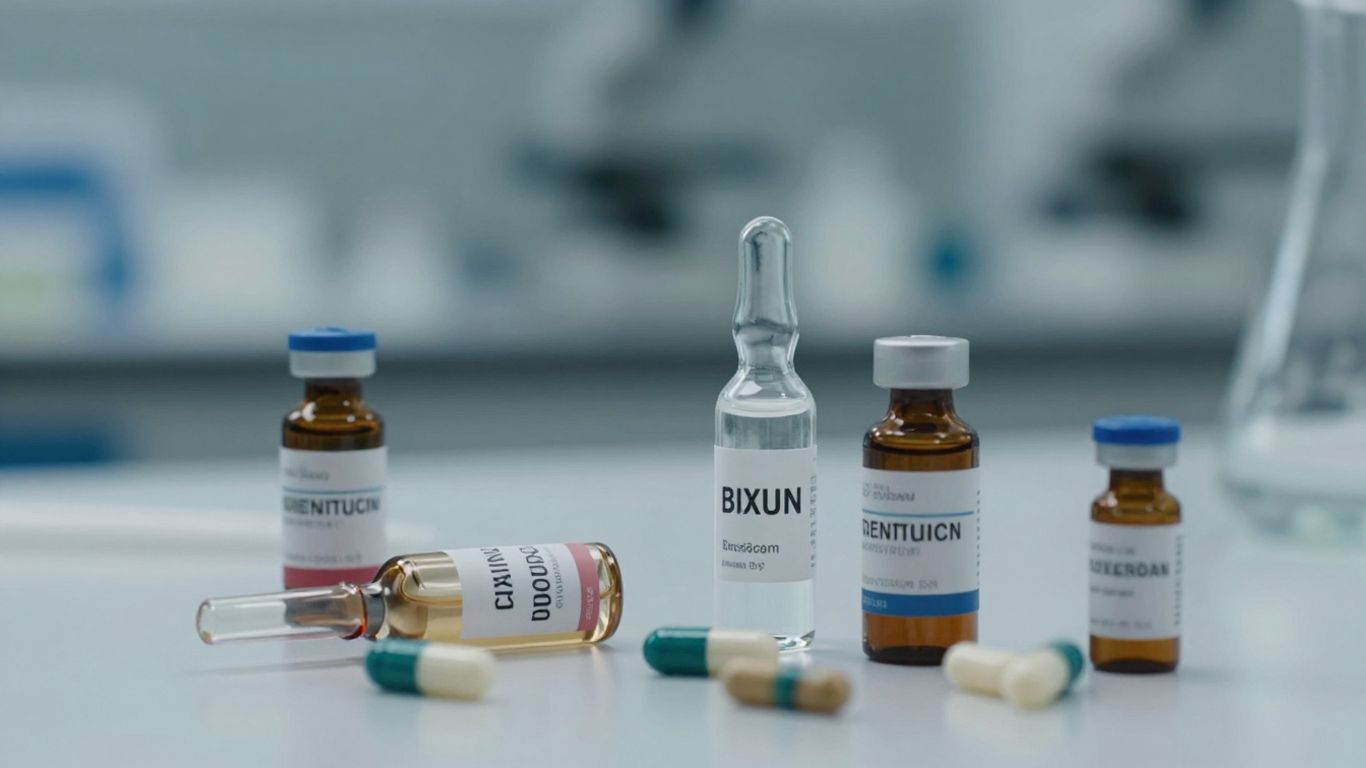
Several specific Selective Androgen Receptor Modulators (SARMs) have drawn attention due to their use and reported effects. These compounds, while marketed for research, are often used by individuals seeking performance enhancement. Understanding their individual profiles is key.
Ostarine’s Effects and Side Effects
Ostarine, also known as enobosarm, is one of the more studied SARMs. It has shown promise in clinical trials for muscle-wasting conditions. Users report gains in lean muscle mass and strength. Some also notice a decrease in body fat. However, side effects are a concern.
Common issues include headaches and nausea. Fatigue and back pain can also occur. Some users experience changes in liver enzymes. There are also reports of decreased HDL cholesterol. Doses used by enthusiasts are often much higher than those in studies. This can lead to testosterone suppression. Long-term effects of these higher doses remain unclear.
Ligandrol and Andarine Profiles
Ligandrol (LGD-4033) is another SARM frequently discussed. It is known for its potent muscle-building effects. Users often report significant increases in strength and muscle size. Like Ostarine, it can also suppress natural testosterone production. This suppression can be dose-dependent and last for weeks after use stops.
Andarine (S4) is known for its ability to help with muscle hardening and fat loss. It is also reported to improve vascularity. However, Andarine has a unique side effect: vision disturbances. Users sometimes report a temporary yellowish tint to their vision. They may also have difficulty adjusting to darkness. These visual effects usually resolve after stopping the compound.
Testolone and Associated Incidents
Testolone (RAD140) is considered one of the more powerful SARMs available. It is often sought after for rapid muscle growth and strength gains. Anecdotal reports suggest it can be very effective. However, it also carries significant risks. Testolone has been linked to more severe side effects.
Users have reported significant testosterone suppression. There are also concerns about potential liver strain. Some incidents involving users experiencing adverse health events have been associated with Testolone. These reports highlight the unpredictable nature of these compounds when used outside of controlled research settings. It is important to consider the potential for serious health issues when using such substances. Finding safer workout supplements with proven effects is a better approach for many. Consult a dietitian or fitness instructor for guidance on choosing appropriate options [25d4].
The unregulated nature of SARMs means product purity and dosage can vary wildly. This unpredictability adds another layer of risk for users. What is labeled as one SARM might contain another substance entirely, or be present in a much higher concentration than stated.
Regulatory Status and Legal Considerations

Banned in Professional Sports
The World Anti-Doping Agency (WADA) banned SARMs in professional sports back in 2008. This means athletes competing in sanctioned events cannot use them. It’s a clear signal that these substances are not considered safe or fair for athletic competition. Many sports organizations follow WADA’s lead on this.
FDA Advisory Statements
In 2017, the U.S. Food and Drug Administration (FDA) issued a public warning. They stated that products containing SARMs pose significant health risks. The FDA has not approved any SARMs for human use. They continue to monitor and take action against companies making false claims about these compounds.
Illegality for Human Consumption
While SARMs are legal to purchase as research chemicals, they are strictly illegal for human consumption. This distinction is important. Companies often market them as "research chemicals" to bypass regulations. However, using them yourself is against the law and carries risks. It’s important to verify the authenticity of any research chemicals you might consider for study.
Loopholes in Regulation
SARMs often slip through regulatory cracks. They are frequently sold online under the guise of "research chemicals." This allows people to buy them without much oversight. The lack of strict rules makes it easy for individuals to obtain these substances. This situation contributes to their widespread misuse.
The Dangers of Supra-Physiological Dosing

Exaggerated Androgen Receptor Signaling
Taking SARMs at doses higher than what the body naturally produces can really mess things up. This is called supra-physiological dosing. It means you’re flooding your system with these compounds. This can lead to exaggerated signaling through the androgen receptor (AR). Think of it like shouting into a room when a normal conversation would suffice. The AR gets overstimulated.
Mimicking Effects of Anabolic Steroids
When you take too much SARM, it starts acting a lot like anabolic steroids. Even though SARMs are designed to be more selective, high doses blur those lines. They can trigger similar pathways in the body. This means you might experience some of the same risks associated with steroid use. It’s not the intended way these research chemicals should be used.
Upregulation of Signaling Cascades
Excessive SARM intake can cause signaling cascades to ramp up too much. This overactivity can have widespread effects. It might impact hormone production, like suppressing natural testosterone. It can also strain organs like the liver. Combining oral SARMs, especially when stacking multiple compounds, significantly increases the risk of liver enzyme elevation and potential hepatotoxicity. This practice warrants careful consideration due to the heightened strain on the liver. This practice warrants careful consideration.
Using SARMs at doses far beyond what’s intended for research can lead to unpredictable and harmful outcomes. The body’s systems are not designed to handle such high levels of artificial stimulation. This can result in a cascade of negative effects that mimic the dangers of anabolic steroid abuse.
Knowledge Gaps in SARM Research

Need for In Vivo and In Vitro Studies
We still don’t know enough about how SARMs work. More lab studies are needed. These studies should look at how SARMs affect cells and whole organisms. This will help us understand their real effects. We need more data from both lab dishes and living subjects.
Unclear Pathophysiology of Cardiovascular Effects
SARMs can impact heart health. But we don’t fully grasp why. The exact ways SARMs affect the cardiovascular system are not clear. More research is required to map these connections. This is important for understanding the risks involved.
Understanding AR Interactions
SARMs interact with androgen receptors (AR). How they interact varies. Different SARMs bind differently. This affects their impact on the body. We need to better understand these specific interactions. This knowledge could help predict side effects. It could also guide the development of safer compounds for muscle growth.
The path from research chemical to widespread use is blurry. Many people buy SARMs online. They are often marketed as research chemicals. This bypasses normal drug safety checks. The lack of clear rules makes it hard to track their use. This situation creates many unknowns about their long-term effects.
Navigating the SARM Landscape Responsibly
Importance of Empirical Research
Real-world data on SARMs is still pretty limited. Most of what we know comes from animal studies or anecdotal reports. We need more solid research to understand their true effects. This includes looking at long-term health impacts. Relying on user testimonials alone is risky.
Distinguishing Research Use from Abuse
SARMs are sold as research chemicals. This means they are not meant for human consumption. Using them for personal gain, like building muscle, is considered abuse. This distinction is important for legal and safety reasons. It helps separate legitimate scientific inquiry from dangerous self-experimentation.
Prioritizing Health and Safety
Your health should always come first. SARMs carry potential risks, especially when used without medical supervision. Understanding these dangers is key. If you’re considering SARMs, talk to a doctor first. They can explain the risks and alternatives. Remember, there are ways to improve fitness safely. Exploring SARM cycles without professional guidance can lead to trouble. Always make informed choices about your well-being.
Wrapping Up: SARMs – A Risky Business
So, we’ve looked at SARMs, and it’s pretty clear they’re not something to mess with lightly. While they were developed with good intentions for treating certain health issues, their use in fitness circles has gotten out of hand. They’re often sold under the radar as ‘research chemicals,’ and people are using them without proper medical guidance. The big worry is the potential harm to your heart, and honestly, we don’t know enough about the long-term effects. The research is still catching up, and until we know more, it’s best to steer clear if you’re just looking to boost your workouts. Stick to what’s proven and safe, and leave the experimental stuff to the labs.
Frequently Asked Questions
What exactly are SARMs?
SARMs, or Selective Androgen Receptor Modulators, are special kinds of man-made substances. Think of them like keys that fit into specific locks in your body called androgen receptors. They’re designed to do this so they can build muscle and bone, kind of like natural hormones, but hopefully without causing as many problems elsewhere.
Are SARMs safe to use?
Right now, SARMs are not approved for people to use. While some companies sell them as ‘research chemicals,’ this is often a way to get around rules. There isn’t enough solid research on humans to say for sure if they are safe, and there are worries about side effects like heart problems and liver strain.
Why are SARMs sold as ‘research chemicals’?
This is a bit of a loophole. By labeling them as chemicals for research only, companies can sell them without having to go through the strict testing and approval process that medicines need. This makes them easy to buy online, even though many people use them for their own bodies, not for actual research.
What’s the difference between SARMs and steroids?
Both SARMs and steroids work with your body’s androgen receptors to build muscle. However, SARMs are supposed to be more ‘selective,’ meaning they target specific areas like muscles and bones more directly. Steroids, on the other hand, can affect many more parts of the body, often leading to more unwanted side effects.
Can SARMs help with muscle building?
Many people use SARMs because they believe they help build muscle faster and burn fat. Some early studies and a lot of stories from users suggest they can have these effects. However, these uses are not approved by health authorities, and taking them this way carries risks.
What are the potential health risks of using SARMs?
There are significant concerns about health risks. These can include problems with your heart, damage to your liver, and negative changes in your cholesterol levels. Some specific SARMs, like Ostarine or Ligandrol, have been linked to these issues, especially when used in high amounts.
Are SARMs banned in sports?
Yes, SARMs are banned in professional sports. Organizations like the World Anti-Doping Agency (WADA) have put them on their list of forbidden substances because they can give athletes an unfair advantage.
What does ‘supra-physiological dosing’ mean for SARMs?
This means taking much higher doses of SARMs than your body would naturally produce or what’s been tested in safe medical studies. When you take too much, it can make the signals in your body go into overdrive, similar to taking too many steroids, which can lead to more serious health problems.