







So, you’ve finished a cycle of SARMs and you’re wondering what comes next. It’s a common question, and honestly, if you skip this part, you might lose all the gains you worked so hard for. Post-cycle therapy, or PCT, is basically your body’s recovery plan after using SARMs. It helps get your hormones back in line so you don’t crash. We’re going to talk about why it’s important, what to look for in a PCT supplement, and how to actually use it. Think of this as your guide to keeping those gains and feeling normal again.
Key Takeaways
- PCT is crucial after most SARM cycles because SARMs can suppress your body’s natural testosterone production, leading to hormone imbalances.
- Not all SARMs are the same; some are more potent and require a more robust PCT plan than others.
- Look for PCT supplements with ingredients that support natural testosterone production, help regulate estrogen, and manage cortisol.
- When choosing a PCT supplement, check ingredient transparency and opt for reputable brands to ensure quality and effectiveness.
- Proper PCT involves tailoring the length and dosage of supplements to your specific SARM cycle and individual response, and it’s best to plan it in advance.
Understanding Post-Cycle Therapy Essentials
The Critical Role of PCT After SARMs Cycles
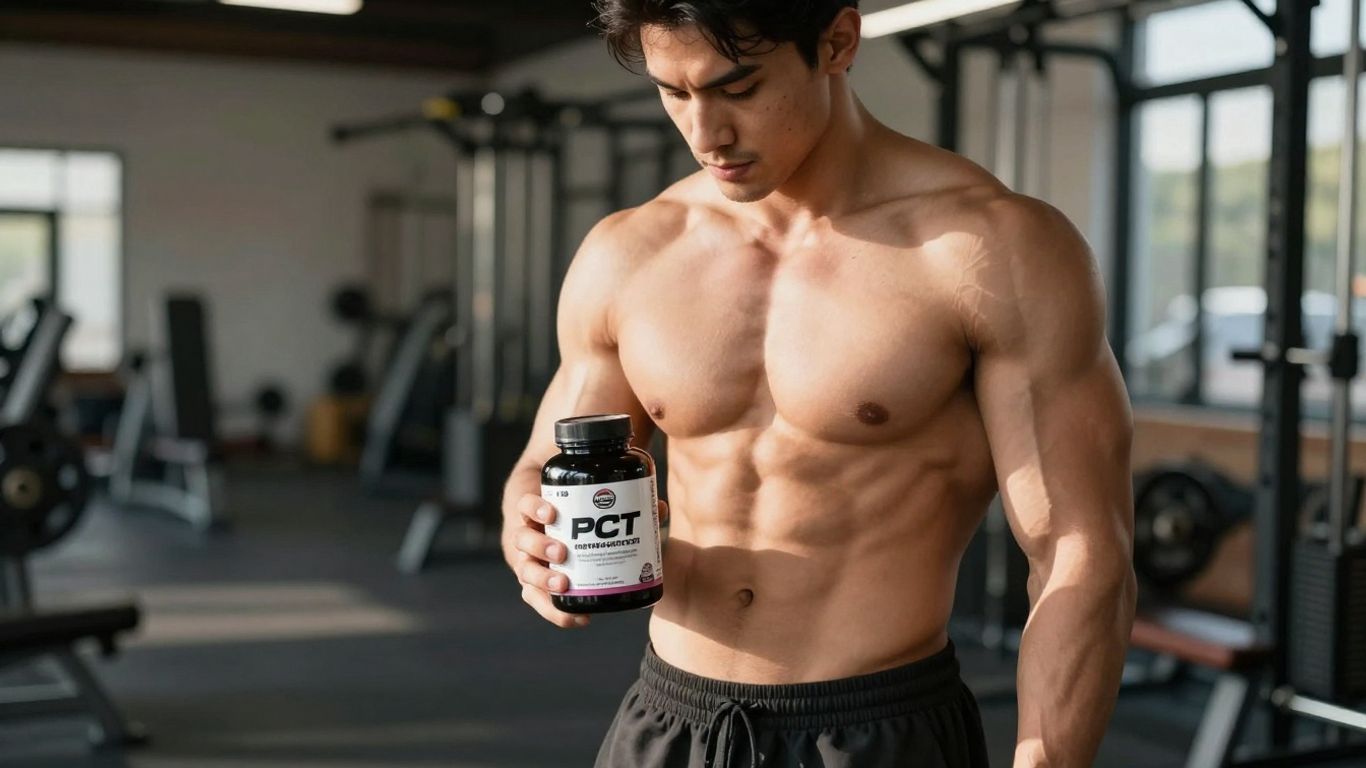
Finishing a SARM cycle means your body needs help getting back to normal. SARMs can mess with your natural hormone production. Without proper support, you might lose gains. Post-cycle therapy (PCT) is your recovery plan. It helps your body reset its systems. This is key to keeping the results you worked for.
Why Hormone Balance is Non-Negotiable
Your hormones control a lot. They affect mood, energy, and muscle. SARMs can lower testosterone. They can also cause estrogen to spike. This imbalance feels bad. It can lead to unwanted side effects. Getting your hormones back in check is vital. It supports overall health and well-being.
Consequences of Neglecting Post-Cycle Support
Skipping PCT can cause problems. You might feel tired and moody. Muscle loss is a common issue. You could also gain unwanted fat. Your sex drive might drop. Long-term, this can affect your health. It’s better to plan for recovery. Proper PCT helps avoid these negative outcomes. It makes your cycle results last longer. You can find good PCT supplement options online.
Identifying SARMs Requiring PCT
Not all SARMs are created equal when it comes to post-cycle therapy. Some compounds significantly impact your natural hormone production, while others have minimal to no effect. Understanding this difference is key to planning your recovery. It helps you avoid unnecessary PCT or, more importantly, ensures you don’t skip it when your body truly needs it.
Anabolic SARMs and Their Hormonal Impact
Anabolic SARMs are designed to mimic testosterone’s effects. They bind to androgen receptors, signaling muscle and bone growth. However, this action can trick your body into thinking it has too much testosterone. Your natural production then shuts down. This suppression can lead to side effects if not addressed. RAD-140 and LGD-4033 are known to cause significant testosterone suppression.
Non-Anabolic SARMs and PCT Exemption
Some compounds marketed as SARMs actually work through different pathways. They don’t directly interact with androgen receptors in the same way. This means they often don’t suppress natural testosterone production. Examples include Cardarine (GW-501516) and Ibutamoren (MK-677). These typically do not require a full PCT protocol. You can explore research chemicals for more information on various compounds.
Assessing Individual SARM Potency
Determining if a SARM requires PCT involves looking at its mechanism of action. Compounds that strongly mimic testosterone are more likely to cause suppression. Factors like dosage and cycle length also play a role. Always research the specific SARM you plan to use. Understanding its potential impact on your hormones is vital for safe usage.
It’s wise to prepare your PCT supplies before you even start your cycle. Having everything ready means you can begin recovery immediately after your last dose. This proactive approach supports a smoother transition back to baseline hormone levels.
Key Ingredients for Optimal PCT
Getting your body back on track after a SARM cycle means focusing on a few key areas. You need to help your natural testosterone production kick back in. It’s also smart to manage estrogen levels. Finally, supporting your overall health is a good idea.
Natural Testosterone Support Compounds
These ingredients help signal your body to start making testosterone again. They can wake up your natural production. Ingredients like D-Aspartic Acid (DAA) are often used. Ashwagandha is another popular choice. It helps with testosterone and can lower stress hormones.
- D-Aspartic Acid (DAA): Shown to boost testosterone levels in studies.
- Ashwagandha: Supports testosterone and reduces cortisol.
- Tribulus Terrestris: Sometimes used, though research is mixed.
Supporting natural testosterone is the main goal. This helps you keep your gains. It also helps you feel like yourself again.
Estrogen Regulation Agents
SARMs can sometimes mess with your estrogen levels. When you stop, estrogen might spike. This can lead to unwanted side effects like water retention or moodiness. Ingredients that help manage estrogen are important. They help keep things balanced.
- Arimistane (Androsta-3,5-diene-7,17-dione): A mild aromatase inhibitor. It helps control estrogen without crashing it.
- DIM (Diindolylmethane): Found in cruciferous vegetables. It helps your body process estrogen more effectively.
Arimistane is a solid choice for managing estrogen after SARMs. It’s effective without being too harsh. You don’t want to drop estrogen too low, as that causes its own problems.
Cortisol Management Supplements
Stress hormones, like cortisol, can work against your recovery. High cortisol can break down muscle and hinder testosterone production. Some PCT ingredients help manage cortisol. This supports a better recovery environment. Ashwagandha is one such ingredient. It’s an adaptogen that helps your body handle stress.
- Ashwagandha: Helps lower cortisol levels. This aids in hormone balance.
- Rhodiola Rosea: Another adaptogen that can help with stress response.
Managing cortisol is part of a complete recovery plan. It helps your body return to a healthy state more smoothly. This supports your overall well-being post-cycle. You can find these ingredients in many PCT supplements.
Effective PCT Supplement Stacks
Building a Comprehensive Recovery Formula
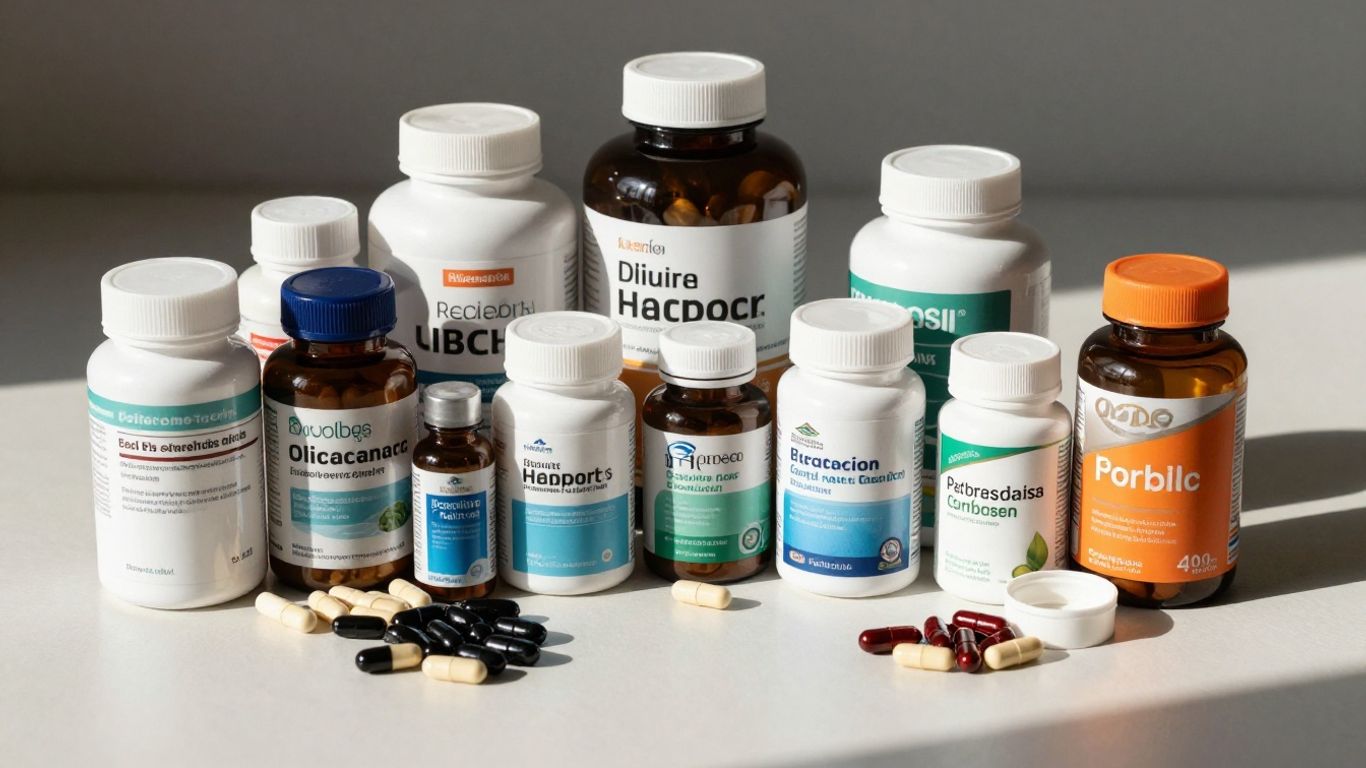
Putting together a solid Post-Cycle Therapy (PCT) stack is key. You want to help your body get back to normal. This means supporting natural testosterone production. It also means managing estrogen levels. Organ support is important too. A well-rounded stack covers these bases.
Combining Test Boosters and Ancillaries
Your PCT stack should include ingredients that boost testosterone. Look for natural test boosters. You also need compounds that help control estrogen. These are often called ancillaries. Combining these helps your body recover faster. It also helps you keep the gains you made. A balanced approach is better than focusing on just one area.
Recommended Ingredient Dosages for PCT
Dosages matter for PCT effectiveness. Too little won’t do much. Too much can cause issues. Here’s a general guide for common PCT ingredients:
- Natural Testosterone Support:
- D-Aspartic Acid (DAA): 3,000 mg/day
- Fenugreek Extract: 500–600 mg/day
- Ashwagandha (KSM-66): 600 mg/day
- Boron: 6 mg/day
- Tongkat Ali: 200–400 mg/day
- Estrogen Regulation Agents:
- Arimistane: 25–75 mg/day
- DIM: 100–200 mg/day
- Liver & Organ Support:
- TUDCA: 250–500 mg/day
- Milk Thistle (Silymarin): 200 mg/day
- NAC: 600–1,200 mg/day
Remember that many multi-ingredient PCT products already contain these compounds. Always check the label of your chosen product. Adjusting dosages might be needed based on your specific cycle and individual response. Consulting with a health professional is advised before starting any new supplement regimen.
Some popular PCT products combine many of these ingredients. For example, Hi-Tech Pharmaceuticals Arimiplex is a well-regarded option. It aims to support hormone balance and organ health. For more intense cycles, you might consider adding extra support. Products like Testosterone 21 can be added. Always research the price of SARMs in India and related PCT supplements to make informed choices.
Navigating PCT Supplement Options
Choosing the right PCT supplement can feel like a maze. Many products hit the market claiming to be the best. It’s smart to look closely at what’s inside and who makes it. Not all PCTs are created equal, and some might be better for your specific needs.
Evaluating Popular PCT Product Lines
Several brands have become well-known in the PCT space. Products like Arimiplex and Hard Target are often mentioned. These lines aim to cover various recovery needs. Some focus on hormone balance, while others add organ support. It’s good to see what a product line generally offers.
- Arimiplex: Known for a balanced approach. It targets testosterone, estrogen, and organ health.
- Hard Target: Often seen as a more potent option. It includes test boosters and estrogen blockers.
- PCT V: A popular choice for its straightforward formula. It combines aromatase inhibitors with test support.
Understanding Ingredient Transparency
Look for brands that clearly list their ingredients. Knowing what you’re taking is key. Some companies use proprietary blends, which hide exact amounts. This makes it hard to judge the product’s effectiveness. Always prefer brands that are open about their formulas.
Be wary of "proprietary blends." They can hide low doses of active ingredients. It’s better to know exactly what you’re getting.
Choosing Reputable Supplement Brands
Brand reputation matters a lot. Look for companies with good reviews and a history of quality. Check if they provide third-party testing for their products. This shows they care about purity and potency. A trustworthy brand makes the selection process much simpler. It helps avoid products that might not work or could even be harmful.
Dosage and Duration Strategies
Figuring out how long to run your PCT and how much of each supplement to take is key. It’s not a one-size-fits-all deal. Your cycle’s length and the specific SARMs you used really matter here. Tailoring your recovery plan helps you get back to normal faster.
Tailoring PCT Length to SARM Use
The duration of your PCT depends on how long and how strong your SARM cycle was. Shorter, milder cycles need less recovery time. Longer, more intense cycles require a longer PCT period. Think of it like this: a quick jog needs less recovery than a marathon.
- Mild SARMs/Cycles (e.g., Ostarine, LGD-3303): Aim for a 4-week PCT.
- Stronger SARMs/Cycles (e.g., RAD-140, YK-11): Consider 6-8 weeks of PCT.
- Very Aggressive or Stacked Cycles: You might need 8 weeks or more.
Determining Appropriate Supplement Dosages
Dosages aren’t just pulled from thin air. They’re based on what’s shown to work for hormone support and recovery. Always start with the recommended doses on reputable product labels. You can adjust later if needed, but it’s best to be cautious.
Here’s a general idea for common PCT ingredients:
| Ingredient | Typical Daily Dose | Notes |
|---|---|---|
| Natural Testosterone Support | Varies | Follow product guidelines |
| Estrogen Regulators | Varies | Use as directed, monitor effects |
| Cortisol Management | Varies | Often taken before bed |
| Liver Support | Varies | Usually split between AM and PM doses |
| DHEA | 100 mg | Once daily with food |
| Krill Oil | 2 softgels | Daily |
Adjusting PCT Based on Individual Response
Pay attention to how your body feels during PCT. Are you recovering well? Or are you still feeling sluggish or experiencing mood swings? These signals tell you if your current plan is working. You might need to tweak things.
Listen to your body. If you feel like you’re not bouncing back, it’s a sign to re-evaluate your PCT. Sometimes a small adjustment makes a big difference.
If you’re consistently feeling off, like low energy or mood issues, it might be time to extend your PCT. You could also consider re-testing your hormone levels. This gives you hard data to guide your adjustments. Always consult with a knowledgeable source if you’re unsure.
Managing Potential PCT Side Effects
Common Temporary Side Effects
Even though PCT is meant to help your body recover, you might notice some temporary issues. Things like feeling tired or a bit sore are pretty common. Some people report feeling a bit foggy in the head. These usually don’t stick around for too long.
Low libido can also pop up. Your body is still adjusting its hormone levels. This can affect your energy and mood too. Most of these side effects resolve within a few weeks.
Recognizing Signs of Hormonal Imbalance
Pay attention to how you feel. If you notice significant mood swings or persistent low energy, it could signal a hormonal imbalance. Feeling unusually irritable or depressed is also a red flag. These symptoms suggest your body isn’t quite back to normal yet.
Look out for changes in your physical state. Unexplained weight gain or loss can be a sign. Also, watch for any changes in your skin or hair. These can sometimes reflect underlying hormonal shifts.
Strategies for Mitigating Discomfort
Getting enough quality sleep is key. It helps your body regulate hormones naturally. Eating a balanced diet supports overall recovery. Staying hydrated also plays a big role in how you feel.
Gentle exercise can help. It boosts mood and energy levels. If side effects are bothering you, consider adjusting your PCT supplement dosages slightly. Always consult with a healthcare professional before making changes.
Advanced PCT Considerations
The Role of On-Cycle Support
Some users consider support during a SARM cycle. This isn’t PCT, but it’s related. On-cycle support aims to manage potential side effects. It might help with liver health or blood pressure. Think of it as proactive care. It’s not a substitute for proper PCT later.
Liver and Organ Support During Recovery
Your liver works hard during a SARM cycle. It processes compounds. Post-cycle, your organs need time to recover fully. Supplements like TUDCA or Milk Thistle can help. They support liver function. This aids overall recovery. Organ health is key to long-term gains.
Maintaining Gains Between Cycles
Keeping your hard-earned muscle is important. Some compounds can help with this. Turkesterone is one example. It may support muscle growth and retention. It can be stacked with PCT products. This helps you keep momentum. It bridges the gap between cycles. You can continue building muscle while recovering.
PCT Protocols for Different SARMs
Specific PCT Recommendations for Potent SARMs
Some SARMs really mess with your hormones. Potent compounds like RAD-140 or YK-11 often require a robust PCT. These can significantly suppress natural testosterone production. A strong PCT protocol is non-negotiable after using these.
Look for PCTs that include ingredients to boost testosterone. Estrogen regulators are also important here. These help bring your body back to balance faster. Always check product descriptions for SARM compatibility.
Post-Cycle Therapy for Mild SARMs
Less potent SARMs, such as MK-2866 (Ostarine), might need a milder approach. While still affecting hormones, the suppression is usually less severe. You might not need the strongest PCT available. A gentler recovery formula could be sufficient.
Consider PCTs with natural testosterone support. Ingredients like Tribulus Terrestris can help. Shorter PCT durations might also be effective. Listen to your body and adjust as needed.
Stacking SARMs and Corresponding PCT Needs
Stacking multiple SARMs complicates PCT. When you combine different compounds, their effects on your hormones multiply. This means your PCT needs to be more aggressive. You need to cover all bases.
For example, stacking LGD-4033 with RAD-140 demands a strong PCT. The combined suppression can be significant. Plan your PCT based on the strongest SARM in your stack. Always prioritize recovery. You can find quality SARMs from reputable vendors, but PCT is still key.
The goal of PCT is to restore your body’s natural hormone production. Different SARMs have different impacts. Your PCT plan should reflect the intensity of your cycle. Don’t guess; research your specific SARM stack.
Integrating PCT into Your Regimen
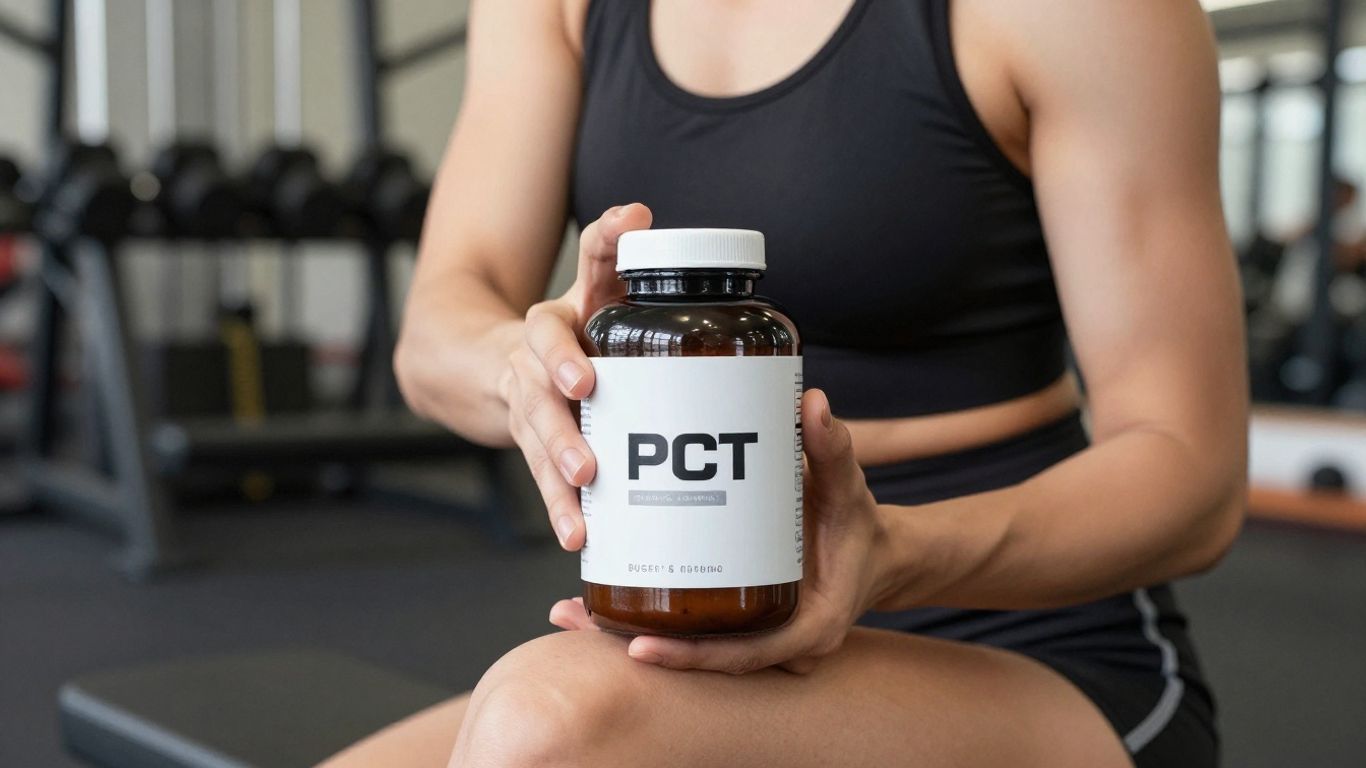
Planning Your PCT in Advance
Thinking ahead is key for successful recovery. You need to know what PCT you’ll use before you even start your cycle. This way, you’re prepared. Don’t wait until the last minute to figure things out. Having your PCT ready avoids delays and ensures a smooth transition.
Timing Your PCT Start Post-Cycle
When you start your PCT matters a lot. It usually begins the day after your last dose of SARMs. Some people wait a few days. This depends on the SARM’s half-life. Starting too early or too late can mess with your recovery. Always check the specific SARM you used. Proper timing helps your body start balancing hormones faster.
Consistency in Supplement Intake
Taking your PCT supplements regularly is super important. Your body needs a steady supply of these compounds. Skipping doses can reduce their effectiveness. Make a schedule and stick to it. This helps maintain stable hormone levels. Consistency is how you keep your gains and feel better.
Proper integration of PCT into your regimen is not an afterthought; it’s a planned phase. It requires foresight, precise timing, and unwavering consistency to effectively support your body’s return to homeostasis after a cycle of SARMs.
Wrapping It Up: Your PCT Game Plan
So, we’ve gone over why Post Cycle Therapy is a big deal after using SARMs. It’s not just about keeping the gains you worked hard for; it’s about getting your body back to normal. Think of it like this: you wouldn’t run a marathon and then just stop drinking water, right? PCT is that essential hydration for your hormones. Choosing the right supplements and sticking to the plan can make a huge difference in how you feel and how long those results stick around. Don’t skip this part – your body will thank you later.
Frequently Asked Questions
What exactly is PCT and why do I need it after using SARMs?
PCT stands for Post-Cycle Therapy. Think of it as a recovery plan for your body. When you use SARMs, they can mess with your body’s natural hormone production, especially testosterone. PCT helps your body get back to normal and keeps your hard-earned gains from disappearing.
Do all SARMs require PCT?
Pretty much, yes. Most SARMs are anabolic, meaning they can affect your hormones. Even the milder ones can lower your natural testosterone. So, it’s a good idea to plan for PCT after almost any SARM cycle to avoid long-term hormone problems.
What are the main things to look for in a PCT supplement?
Good PCT supplements usually have ingredients that help boost your natural testosterone, control estrogen (a hormone that can cause problems after a cycle), and manage stress hormones like cortisol. It’s all about getting your body back in balance.
Can I just use natural testosterone boosters for PCT?
Some natural ingredients like D-Aspartic Acid, Fenugreek, and Ashwagandha can help support your hormones. They are often part of a good PCT stack. However, for stronger cycles, you might need more targeted help to fully recover.
How long should I run my PCT?
The length of your PCT depends on the SARMs you used and how strong they were. Some cycles might need just a few weeks, while others could require longer. It’s important to follow the specific advice for the SARMs you took.
What are some common side effects of PCT?
While PCT helps you recover, you might experience some temporary issues like feeling tired, sore, having low energy, or maybe some brain fog. These usually don’t last long and are a sign your body is adjusting.
What happens if I don’t do PCT after a SARM cycle?
Skipping PCT can lead to a big drop in testosterone, which can cause you to lose muscle, feel fatigued, have mood swings, and even lead to more serious long-term hormone issues. It’s really not worth the risk.
Should I start PCT right after my SARM cycle ends?
Yes, timing is key! You should have your PCT ready to go before you even finish your SARM cycle. Starting PCT immediately after your cycle ends is crucial for a smooth and effective recovery.