




So, you’ve been looking into SARMs and maybe even used them. That’s cool. But what happens after the cycle? That’s where post-cycle therapy, or PCT, comes in. People talk a lot about it, and honestly, it can be a bit confusing. This guide is all about exploring the natural ways to handle your PCT after using SARMs. We’ll break down what you need to know to help your body get back to normal without all the harsh stuff. Think of it as giving your system a helping hand to find its balance again.
Key Takeaways
- Post-cycle therapy (PCT) is important after using SARMs to help your body recover its natural hormone levels.
- Timing your natural PCT correctly, usually right after your SARMs cycle ends, is key for effective recovery.
- A balanced diet, regular exercise, and good sleep are vital for supporting your body’s hormone balance during recovery.
- Certain vitamins, minerals, and herbal extracts can be useful in a natural PCT approach to help rebalance hormones.
- Women using SARMs need to consider specific PCT needs, potentially using lower doses and shorter cycles to avoid virilization.
Understanding Post-Cycle Therapy for SARMs
The Critical Role of PCT After SARMs Use
Using SARMs can affect your body’s natural hormone levels. Specifically, they can suppress your natural testosterone production. This suppression can lead to unwanted side effects. Post-cycle therapy, or PCT, helps your body recover. It aims to restore your hormonal balance. PCT is a vital step after any SARMs cycle.
Without proper PCT, you might experience low testosterone symptoms. These can include fatigue, mood swings, and loss of muscle mass. Your gains from the SARMs cycle could also diminish quickly. Planning your PCT is therefore very important. It helps maintain your hard-earned results. It also supports your overall health during recovery.
Key Considerations for Planning Your PCT
When planning your PCT, several factors come into play. The type of SARMs you used matters. Their dosages and how long you used them are also key. Generally, SARMs that cause more suppression require a more robust PCT. You need to think about restoring testosterone production. You also need to manage estrogen levels. Some users consider using Selective Estrogen Receptor Modulators (SERMs) for this purpose. These compounds can help stimulate your body’s natural testosterone production [e970].
Timing is also critical. PCT should start soon after your SARMs cycle ends. This helps your body begin its recovery process promptly. The duration of your PCT will vary. It depends on the SARMs used and cycle length. A typical PCT might last 4 to 6 weeks. However, this can change based on individual needs.
Monitoring your health throughout PCT is also a must. Keep an eye on how you feel. Pay attention to any changes in your body. This proactive approach helps ensure a smoother recovery. It allows for adjustments if needed. Some people also look into natural SARMs alternatives [8eae] if they are concerned about PCT. This can be a way to avoid the need for it altogether.
Optimizing Your Recovery with Natural PCT Options
Timing Your Natural PCT Correctly
Starting your post-cycle therapy (PCT) at the right moment is key. You want to begin right after your SARMs cycle ends. This helps your body start recovering sooner. Don’t wait too long to begin your PCT.
Duration of Post-Cycle Support
The length of your PCT depends on what SARMs you used. It also depends on how long you ran your cycle and at what doses. A common timeframe is 4 to 6 weeks. This gives your system time to get back to normal. You can find more information on post-cycle therapy.
Monitoring Health During Recovery
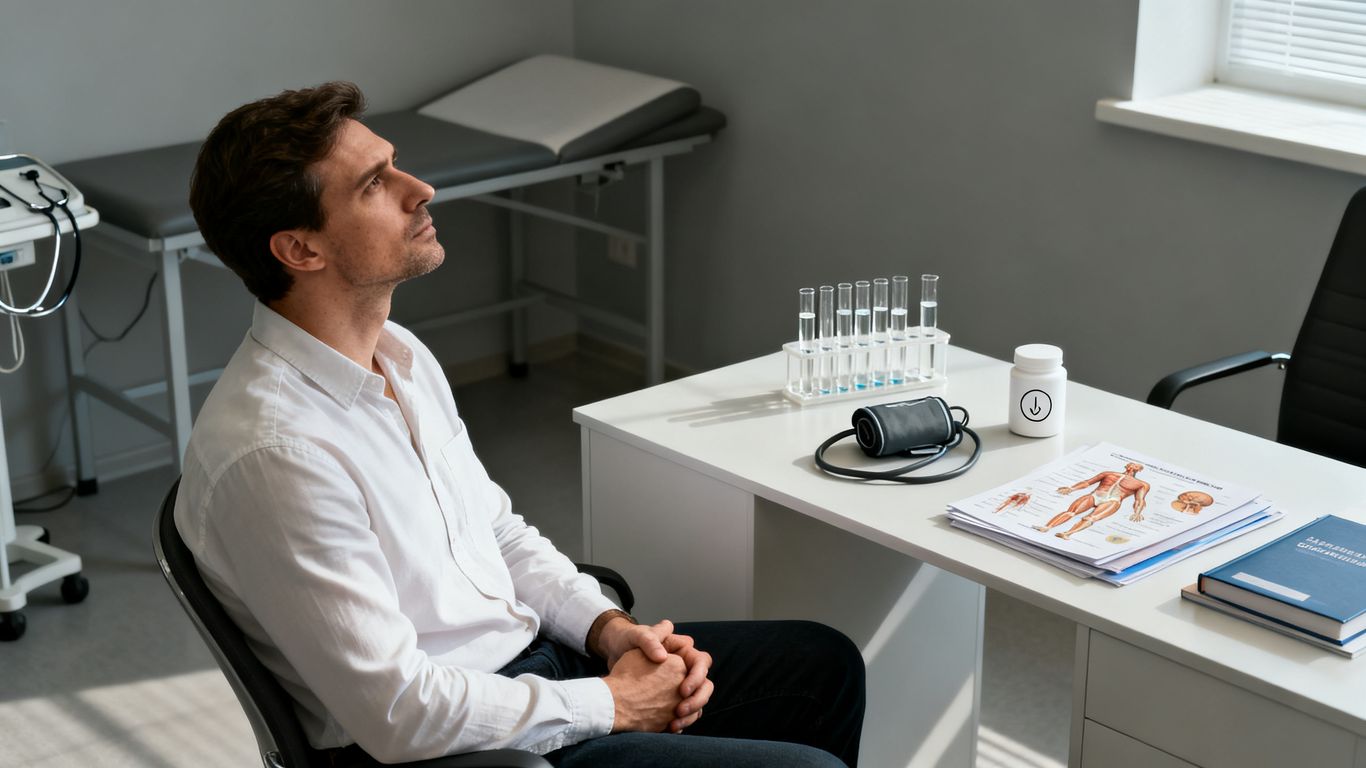
Keep an eye on your health while you recover. Check your blood pressure and cholesterol. Liver function tests are also a good idea. Talk to a doctor if you notice anything unusual. This helps you stay on track with your recovery.
Paying attention to your body’s signals is vital. It helps you adjust your recovery plan as needed. Don’t ignore any persistent issues.
Here are some things to watch for:
- Changes in mood or energy levels.
- Any physical discomfort or pain.
- Sleep disturbances.
Using trusted, high-quality supplements like Ashwagandha Gummies can support your recovery. They help your body rebalance naturally. Always choose reputable brands for your supplements.
Lifestyle Factors Supporting Natural Hormone Balance

The Importance of a Balanced Diet
What you eat directly impacts your body’s ability to recover and maintain hormonal equilibrium. Focus on whole, unprocessed foods. These provide the vitamins and minerals your body needs. A nutrient-dense diet supports your immune system and reduces inflammation.
Balance your macronutrients. Protein is key for muscle repair. Don’t forget carbs for energy and healthy fats for hormone regulation. Tailor your intake to your fitness goals. Whether bulking or cutting, your diet plays a big role.
Integrating Regular Exercise
Consistent training is vital, even during recovery. Resistance training builds muscle and bone density. Cardiovascular exercise supports heart health and aids fat loss. Aim for a mix of activities that challenge your body.
Listen to your body during exercise. Don’t push too hard if you feel fatigued. Recovery is when muscles grow. Proper training supports your hormonal balance naturally.
Prioritizing Adequate Sleep and Rest
Sleep is when your body repairs itself. Aim for 7-9 hours of quality sleep each night. This helps regulate hormones like testosterone and cortisol. Lack of sleep can disrupt this balance.
Rest days are just as important as training days. They allow your muscles to recover and grow. Avoid overtraining. This can lead to burnout and hormonal issues. Adequate rest is non-negotiable for natural hormone balance.
Nutritional Strategies for Enhanced Recovery
Your SARMs recovery depends a lot on what you put on your plate every day. Eating with purpose here helps your body recover faster, keep hormones steady, and stay on track for your next fitness goal.
Sufficient Protein Intake for Muscle Repair
Protein helps your muscles heal and rebuild after workouts and SARMs cycles. Aim for at least 1 gram of protein per pound of body weight. Try to eat a variety of sources—chicken, eggs, fish, plant-based proteins, and low-fat dairy all count.
Here’s a quick reference for daily protein needs:
| Body Weight (lbs) | Suggested Protein (g/day) |
|---|---|
| 150 | 150 |
| 180 | 180 |
| 200 | 200 |
Essential Nutrients for Hormonal Support
Balanced eating fuels recovery. Include healthy fats (like olive oil and nuts), complex carbs (whole grains, brown rice), and plenty of micronutrients from fruits and veggies. Some nutrients play a bigger role in post-cycle balance:
- Zinc and magnesium help natural hormone production.
- Vitamin D keeps your endocrine system on track.
- Omega-3s (found in fatty fish or krill oil) lower inflammation and support overall wellness.
If you’re using recovery supplements, always pick those with clear labels and third-party testing, as many products contain hidden ingredients you might not want in your body.
Hydration and Its Role in Recovery
Water matters more than most realize. Staying hydrated keeps your metabolism stable, reduces fatigue, and lets your muscles recover better. You might need more fluids while training hard or when it’s hot out. A good rule is to drink about half your weight (in pounds) in ounces per day.
- Start each day with a glass of water.
- Drink more during and after workouts.
- Carry a reusable bottle to build good habits.
Paying attention to your nutrition and hydration doesn’t have to be complicated—stick to these basics, and you’ll support real long-term progress.
Don’t forget, your supplement choices can fill in any nutritional gaps—just remember to use only trusted and legally safe supplements during your recovery phase.
Exploring Natural Supplements for PCT
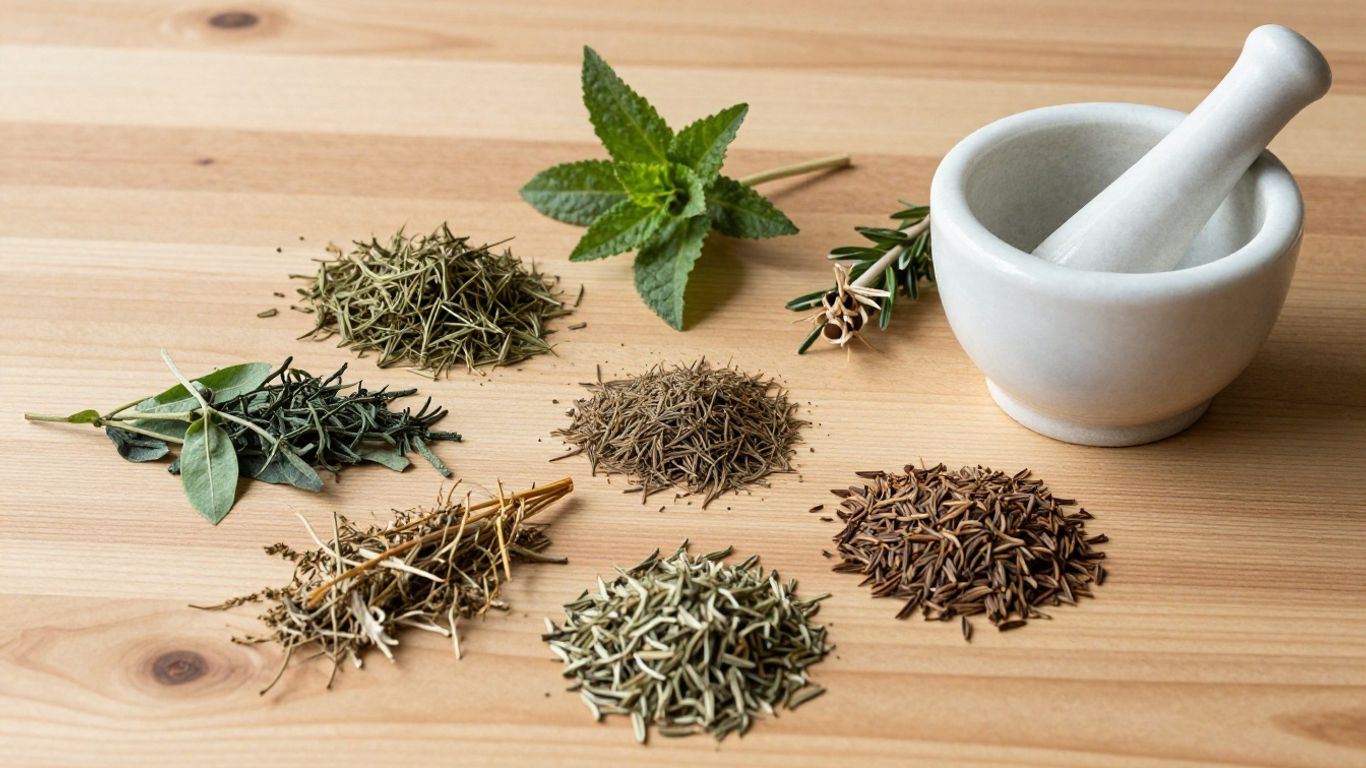
Herbal Extracts for Hormone Regulation
Certain herbs can help your body get back to normal after a SARMs cycle. They work by supporting your natural hormone production. This can make the recovery process smoother. Ashwagandha is one such herb. It’s known for its adaptogenic properties. It may help reduce stress hormones like cortisol. This allows your body to focus on restoring testosterone.
Other herbs like Tribulus Terrestris are also discussed. Some believe it boosts testosterone. However, scientific evidence for this is mixed. Always research the specific herb. Look for studies on its effects on hormone levels. You can find trusted, high-quality supplements like Ashwagandha Gummies to support your recovery.
Vitamins and Minerals for Rebalancing
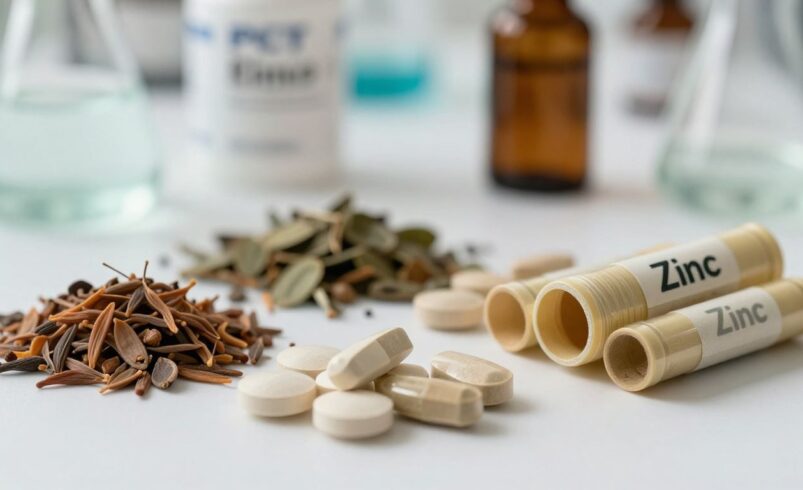
Your body needs specific vitamins and minerals to function well. After a SARMs cycle, these can be depleted. Replenishing them is key for hormone balance. Zinc is vital for testosterone production. Magnesium also plays a role in hormone regulation. Vitamin D is another important one. Many people are deficient in Vitamin D. It impacts many bodily functions, including hormone health.
Consider a good multivitamin. Look for one with adequate levels of zinc and magnesium. Vitamin D3 is also a good addition. These nutrients help your body recover. They support overall health during this time. This helps your system rebalance itself more effectively.
Amino Acids to Aid Muscle Recovery
Amino acids are the building blocks of protein. They are super important for muscle repair. After a SARMs cycle, your muscles need to recover. Amino acids help with this process. They can reduce muscle soreness. They also help rebuild muscle tissue. This is important for keeping the gains you made.
Some specific amino acids are helpful. L-Arginine and L-Citrulline are often mentioned. They can improve blood flow. Better blood flow means more nutrients reach your muscles. This speeds up recovery. BCAAs (Branched-Chain Amino Acids) are also popular. They are directly used by muscles for energy and repair. Getting enough protein is the first step. You can also use specific amino acid supplements. These can give your recovery an extra boost.
SARMs Use in Women: Considerations for PCT
When women consider using SARMs, it’s important to approach it differently than men. The hormonal system in women is more complex. Paying attention to specific needs is key for safe and effective use.
Specific PCT Needs for Female Users
Women’s bodies react differently to SARMs. Post-cycle therapy (PCT) might not always be the same as for men. The goal is to help the body return to its natural hormonal state. This helps maintain any gains made during the cycle. It also supports overall well-being.
Choosing SARMs with Lower Virilization Risk
Virilization means developing male traits. This can include voice deepening or increased body hair. Some SARMs carry a higher risk than others. Compounds like Ostarine (MK-2866) are often suggested for women. They tend to have a lower chance of causing these effects. Always research the specific compound.
Adjusting Cycle Lengths and Dosages
Women often benefit from shorter SARMs cycles. Cycles might last 6 to 8 weeks. Lower dosages are also generally recommended. This helps minimize potential side effects. It’s wise to start low and see how your body responds. Adjustments can be made as needed. Always consult with a healthcare professional before starting any new supplement regimen [98f2].
Women should prioritize listening to their bodies. Any signs of hormonal imbalance or adverse effects need immediate attention. Adjusting cycles or stopping use might be necessary. Consulting a doctor is always the best first step.
Managing Potential Side Effects with PCT
Addressing Testosterone Suppression Naturally
SARMs can mess with your natural testosterone. This is a common issue after a cycle. Your body might need help getting back on track. Natural methods can support this process. Focus on lifestyle changes first.
Good nutrition helps. Eating enough protein is key for muscle repair. Include healthy fats too. These help with hormone production. Think nuts, seeds, and avocados. Staying hydrated also plays a role. Water is important for all body functions.
Certain supplements might help too. Ashwagandha is one option. It’s known for stress reduction. This can indirectly help hormone balance. Some people use DHEA. It’s a precursor hormone. Always research any supplement. Talk to a doctor if unsure.
Mitigating Liver Strain During Recovery
Some SARMs can be tough on your liver. Recovery means giving your liver a break. Avoid alcohol and other toxins. These add extra stress. Focus on foods that support liver health.
Think leafy greens and cruciferous vegetables. Broccoli and kale are good choices. They contain antioxidants. These help protect liver cells. Staying hydrated is also vital. It helps flush out waste products. Some people use milk thistle. It’s often recommended for liver support.
Cardiovascular Health Monitoring Post-Cycle
Your heart health matters after a SARMs cycle. Some compounds can affect cholesterol levels. This can increase cardiovascular risk. Monitoring your heart is smart. Pay attention to how you feel. Any chest pain or shortness of breath needs attention.
Regular exercise helps your heart. Mix cardio with strength training. This supports overall cardiovascular function. A balanced diet is also important. Limit processed foods and saturated fats. Focus on omega-3 fatty acids. Fish like salmon are a good source. These can help manage cholesterol. Consulting a doctor for check-ups is wise. They can track your blood pressure and lipids. This helps catch issues early. Post-cycle therapy is key for recovery.
Responsible SARMs Usage and PCT Planning
Setting Realistic Fitness Goals
Before you even think about SARMs, get clear on what you want to achieve. Are you aiming for a bit more muscle, or trying to shed some fat? Setting achievable objectives helps you pick the right compounds. It also guides your dosage and cycle length. Don’t chase unrealistic gains.
Tracking Progress and Body Responses
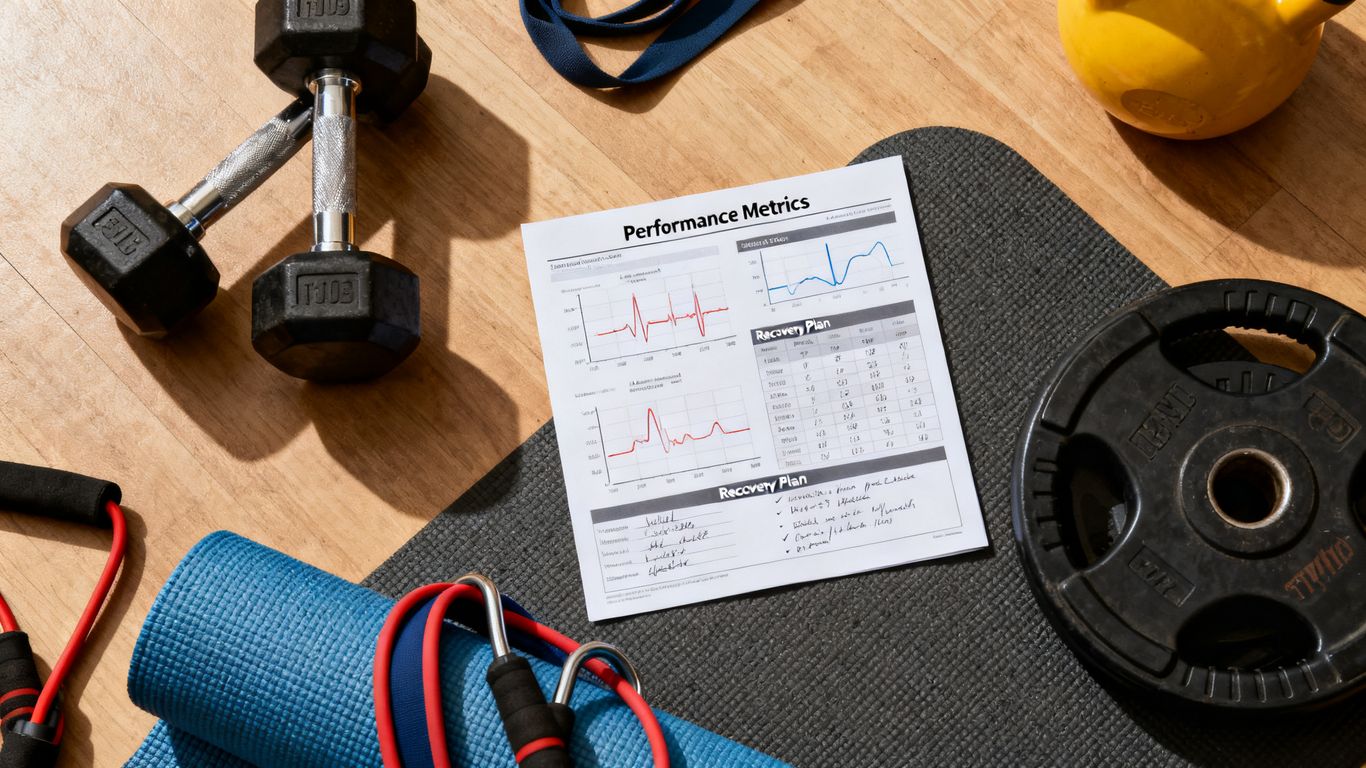
Keep a log of your workouts, diet, and how you feel. Note any changes, good or bad. This detailed record helps you see what’s working. It also lets you spot potential issues early. This information is key for making smart adjustments.
Listening to Your Body’s Signals
Your body talks to you; you just need to listen. Pay attention to fatigue, mood changes, or any discomfort. If something feels off, it probably is. Don’t push through persistent negative signals. Adjusting your plan based on these signals is smart. It helps prevent bigger problems down the road. This careful attention is vital for safe use.
Responsible use means understanding that SARMs are potent compounds. They require careful planning and monitoring. Always prioritize your health and well-being throughout the entire process. This includes before, during, and after your cycle.
Planning Your PCT
Post-cycle therapy (PCT) is not optional after a SARMs cycle. It helps your body get back to normal hormone levels. Without it, you risk losing gains and facing side effects. A well-planned PCT protocol is essential for recovery. It helps maintain the progress you made. Different SARMs require different PCT approaches. Researching this beforehand is important.
Choosing the Right PCT Approach
Your PCT plan depends on the SARMs you used. It also depends on how long you used them and at what doses. Some common PCT strategies involve supplements that help restore natural testosterone production. These can aid in rebalancing your hormones. A good beginner-friendly PCT template can offer guidance. It helps you structure your recovery effectively.
The Science Behind SARMs and Hormone Regulation
How SARMs Interact with Androgen Receptors
Selective Androgen Receptor Modulators, or SARMs, are compounds designed to interact with your body’s androgen receptors. Think of these receptors like locks. Androgens, like testosterone, are the keys that fit these locks. When a key fits, it can trigger certain actions in the body. SARMs are built to fit these locks, but they do so in a more targeted way than traditional steroids. This selectivity is key to their function. SARMs bind to androgen receptors in specific tissues, like muscles and bones. This binding signals these tissues to grow and strengthen. It’s a more focused approach to muscle development.
Understanding Natural Testosterone Production
Your body naturally produces testosterone. This hormone is vital for many functions, including muscle growth and bone health. It’s part of a complex system involving your brain and testes. When testosterone levels are good, your body signals it’s okay. If levels drop, your brain tells your testes to make more. This feedback loop keeps your hormones balanced. SARMs can affect this natural process. They can sometimes signal your body to slow down its own production. This is why post-cycle therapy is often needed.
The Impact of SARMs on Estrogen Levels
SARMs can also influence estrogen levels. While they primarily target androgen receptors, they can indirectly affect other hormones. Some SARMs might cause a slight increase in estrogen. Others might lead to a decrease. This can happen because of how the body converts hormones. Managing these shifts is important for overall well-being. It’s part of why monitoring your health during and after a cycle matters.
Balancing hormone levels is a delicate act. SARMs can disrupt this balance. Understanding these interactions helps in planning recovery. It’s about supporting your body’s natural systems.
Here’s a quick look at how SARMs work:
- Targeted Binding: SARMs attach to androgen receptors in specific tissues.
- Anabolic Effects: This binding promotes muscle and bone growth.
- Hormonal Influence: They can indirectly affect testosterone and estrogen levels.
- Feedback Loop: SARMs can interfere with your body’s natural hormone production signals.
Research into SARMs continues to explore these complex interactions. Understanding these mechanisms is vital for responsible use. It helps users make informed decisions about their health and recovery. This knowledge is key for anyone considering SARMs. It’s about more than just muscle gain. It’s about understanding the body’s intricate systems.
Advanced PCT Strategies and Stacking Considerations
Combining Supplements for Comprehensive PCT
When you finish a cycle, your body needs help getting back to normal. Simply using one supplement might not be enough. Combining different types of supplements can offer broader support. This approach aims to address multiple recovery needs at once. Think of it as a multi-pronged attack on hormonal imbalance.
Understanding Stacking Protocols for SARMs
Stacking SARMs means using more than one compound together. This can be done during a cycle or even for PCT. Different stacks target specific goals. For example, some stacks focus on muscle growth. Others aim for fat loss. Some users combine SARMs with other substances. This requires careful planning. It’s important to know how each compound works. This helps you create a safe and effective plan. You can find various stacking protocols online. Research is key before you start. Combining SARMs and steroids needs a strong PCT plan.
Risks and Benefits of SARMs Stacking
Stacking SARMs can speed up results. You might see faster muscle gains. Fat loss could also be more efficient. However, stacking increases risks. Side effects might become more severe. You need to monitor your body closely. Adjusting dosages is often necessary. Always start with lower doses when stacking.
Here are some common SARMs stacks:
- Bulking: Ligandrol (LGD-4033), RAD-140 (Testolone), YK-11
- Cutting: Ostarine (MK-2866), Andarine (S4), Cardarine (GW-501516)
- Recomposition: Ostarine (MK-2866), Ligandrol (LGD-4033), Cardarine (GW-501516)
- Strength/Endurance: RAD-140 (Testolone), Cardarine (GW-501516), SR9009 (Stenabolic)
Stacking SARMs can amplify results but also magnify potential side effects. Careful research and monitoring are paramount. Consult with knowledgeable individuals or professionals before attempting any stack. Your health should always come first.
When considering stacks, remember that combining SARMs and anabolic steroids requires a robust PCT. Both types of compounds suppress your natural hormone production. A well-structured recovery is vital. This helps restore balance and reduce negative impacts. Proper PCT after cycles is non-negotiable.
Wrapping Up Your SARMs Journey
So, we’ve gone through a lot about SARMs and how to manage things afterward. It’s clear that using these compounds isn’t something to take lightly. If you decide to use them, remember that post-cycle therapy, or PCT, is a really important step. It’s all about helping your body get back to normal after the cycle. Paying attention to what you eat, getting enough rest, and just generally looking after yourself makes a big difference, whether you’re using SARMs or not. Keep learning, stay safe, and always think about what’s best for your health in the long run.
Frequently Asked Questions
What is PCT and why do I need it after using SARMs?
PCT stands for Post-Cycle Therapy. Think of it as a way to help your body get back to normal after using SARMs. SARMs can affect your body’s natural hormone levels, especially testosterone. PCT helps your body start making testosterone again on its own, so you don’t lose the muscle you gained and feel better.
When should I start my PCT?
You should start your PCT right after you finish your SARMs cycle. It’s important to begin this process quickly to help your body recover smoothly and prevent any long-term hormonal issues. Don’t wait too long to start!
How long does PCT usually last?
The length of your PCT can change depending on the SARMs you used, how much you took, and for how long. Generally, a PCT plan lasts for about 4 to 6 weeks. This gives your body enough time to get its hormone levels back to where they should be.
Can women use PCT after SARMs?
Yes, women can also benefit from PCT after using SARMs. The main goal is to help balance hormones. For women, it’s especially important to choose SARMs that are less likely to cause male-like side effects and to adjust the cycle length and dosage carefully. A healthcare provider can offer the best advice.
What are some natural ways to support my PCT?
You can help your body recover naturally by eating healthy foods, especially those with enough protein for muscle repair. Getting regular exercise and making sure you sleep well are also super important. Think of it as giving your body the best fuel and rest to heal itself.
Are there any supplements I can take for natural PCT?
Yes, some natural supplements might help. Things like certain herbal extracts, vitamins, and minerals can support your hormone balance. Amino acids can also help with muscle recovery. However, it’s always best to talk to a doctor before taking any new supplements.
What are the risks of not doing PCT after SARMs?
If you skip PCT, your body might struggle to get its natural testosterone production back to normal. This could lead to losing muscle, feeling tired, low mood, and other health problems. It’s like not fixing something that’s broken, which can cause bigger issues later.
How do SARMs affect my hormones?
SARMs work by targeting specific areas in your body, like muscles and bones. They can trick your body into thinking there’s more testosterone. This can be great for building muscle, but it can also signal your body to slow down its own testosterone production, which is why PCT is often needed.