








When most people hear the name Tamoxifen, they think of breast cancer treatment in women. But in the world of men’s health, performance, and hormone balance, Tamoxifen has a pretty strong reputation. It’s often used as a way to recover after certain cycles, manage estrogen side effects, and even help boost testosterone. Whether you’re trying to get back on track after using anabolic steroids, dealing with side effects from TRT, or trying to fix gynecomastia, Tamoxifen can play a role in getting your hormones back in line. We’ll look at what Tamoxifen is, how it works for men, and why it’s become a useful tool for recovery and male health.
Key Takeaways
- Tamoxifen is a Selective Estrogen Receptor Modulator (SERM) that blocks estrogen in some tissues, like the breast, but can act like estrogen in others, like the liver. This dual action is why it’s used in men.
- A common use for Tamoxifen in bodybuilding is for Post-Cycle Therapy (PCT) to help restart natural testosterone production and prevent gynecomastia. The typical tamoxifen 20 mg bodybuilding dosage might be part of a tapering schedule after higher initial doses.
- Benefits include reversing or preventing gynecomastia, stimulating natural testosterone production by influencing LH and FSH, and potentially supporting fertility.
- Potential side effects can include vision changes, mood swings, gastrointestinal issues, and changes in libido. Careful monitoring and responsible use are important.
- While Tamoxifen can be effective, it’s a prescription drug. Alternatives exist, and understanding interactions, contraindications, and legal aspects is vital for safe and informed use.
Understanding Tamoxifen’s Role in Bodybuilding
What Is Tamoxifen Citrate?
Tamoxifen citrate is a medication originally developed for breast cancer treatment. It’s known as a Selective Estrogen Receptor Modulator, or SERM. This means it interacts with estrogen receptors in the body. It can block estrogen in some places and act like estrogen in others. This dual action is key to its effects.
Tamoxifen as a Selective Estrogen Receptor Modulator (SERM)
As a SERM, tamoxifen doesn’t just block estrogen everywhere. It selectively targets estrogen receptors. In tissues like the breast, it blocks estrogen. This is helpful for preventing or treating gynecomastia. However, in other tissues, like the liver, it can mimic estrogen’s effects. This selective action is what makes it useful in different contexts.
The way tamoxifen works is quite specific. It competes with estrogen for binding sites. This competition is what determines whether it blocks or mimics estrogen’s actions in a particular area of the body.
Off-Label Uses in Men’s Health and Performance
While approved for breast cancer, tamoxifen sees significant off-label use in men. Bodybuilders and athletes often use it. They use it for post-cycle therapy (PCT) after using anabolic steroids. It’s also used to manage side effects like gynecomastia. Some men use it to try and boost natural testosterone production. This use is not FDA-approved for these purposes. It’s important to understand these applications are outside its original medical scope. Anabolic-androgenic steroid (AAS) abuse can cause many issues tamoxifen is sometimes used for.
The Tamoxifen 20 mg Bodybuilding Dosage Rationale
When people talk about using Tamoxifen in bodybuilding, they usually mean one of two things. It’s either to stop or reverse gynecomastia, or it’s for post-cycle therapy (PCT) after using anabolic steroids. The 20 mg dose is often a starting point or a maintenance level for these uses.
Gynecomastia Prevention and Treatment Protocols
Gynecomastia, or "gyno," is when male breast tissue grows. This happens because of an imbalance between estrogen and testosterone. Tamoxifen works by blocking estrogen’s effects in breast tissue. This can stop gyno from starting or even shrink existing tissue. A common approach starts with a higher dose, like 40 mg daily, then drops to 20 mg daily for several weeks.
- Early onset gyno can often be reversed.
- Persistent tissue might need surgery.
- Catching it early is key.
Post-Cycle Therapy (PCT) Applications
After a cycle of anabolic steroids, your body’s natural testosterone production gets suppressed. Estrogen levels can also be out of whack. Tamoxifen helps kickstart your natural testosterone production by signaling your brain to release more LH and FSH. These hormones tell your testes to make testosterone again. It also helps manage estrogenic side effects during this recovery period.
The goal during PCT is to restore hormonal balance. Tamoxifen helps achieve this by stimulating natural hormone production and managing estrogen.
Testosterone Boosting and Secondary Hypogonadism Support
Sometimes, men have low testosterone not because their testes are the problem, but because their brain isn’t signaling them properly. This is called secondary hypogonadism. Tamoxifen can help by stimulating the hormones (LH and FSH) that signal testosterone production. This can be a way to boost testosterone levels and support fertility. It’s sometimes used long-term under medical guidance for this purpose. You can find more information on hormonal health.
Benefits of Tamoxifen for Male Hormonal Health

Tamoxifen, a selective estrogen receptor modulator (SERM), offers several advantages for men dealing with hormonal issues. It works by interacting with estrogen receptors in specific ways. This means it can block estrogen’s effects in some areas while mimicking them in others. This dual action makes it a useful tool for various male health concerns.
Reversing and Preventing Gynecomastia
Gynecomastia, or the development of breast tissue in men, is often caused by an imbalance of estrogen. Tamoxifen can help by binding to estrogen receptors in breast tissue. This action blocks estrogen from stimulating further tissue growth. It’s a primary treatment for gynecomastia. It can also help reduce nipple sensitivity. Catching it early improves the chances of reversal.
Stimulating Natural Testosterone Production
When men use anabolic steroids, their natural testosterone production can shut down. Tamoxifen helps restart this process. It signals the brain to release more luteinizing hormone (LH) and follicle-stimulating hormone (FSH). These hormones then tell the testes to start making testosterone again. This makes it a key part of post-cycle therapy (PCT).
Supporting Fertility and Sperm Health
For men experiencing infertility, Tamoxifen can sometimes help. By stimulating FSH, it can improve sperm production and quality. This can increase the chances of conception. It’s not a universal fix, but it has shown positive results in some cases. It helps restore normal testicular function.
Enhancing Hormonal Stability Post-Anabolic Steroid Use
After a cycle of anabolic steroids, the body’s hormone levels are often out of whack. Tamoxifen helps bring things back into balance. It prevents estrogen from causing problems like mood swings or fatigue. It also supports the return of natural testosterone. This helps men keep the gains they made during their cycle. It’s a common choice for PCT protocols.
Tamoxifen’s ability to manage estrogenic side effects while supporting testosterone recovery makes it a valuable asset for men recovering from steroid use. Its predictable effects are well-documented.
- Blocks estrogen in breast tissue.
- Stimulates LH and FSH release.
- Aids in restoring natural testosterone.
- Helps maintain hormonal balance post-cycle.
Potential Risks and Side Effects of Tamoxifen Use
While tamoxifen can be useful, it’s not without its downsides. Like any medication, it can cause side effects. Most users tolerate it well, especially at lower doses for shorter periods. However, it’s smart to know what might happen.
Vision Disturbances and Ocular Health Concerns
Some people report changes in their vision. This can include blurry vision or trouble adjusting to light. You might also notice eye discomfort or see more floaters. These issues are usually temporary. If you experience persistent vision problems, seek medical help right away.
Mood Swings and Emotional Volatility
Tamoxifen can affect your mood. Some users feel more irritable or experience mood swings. This might be due to how it changes hormone levels. Managing stress and getting enough sleep can help. Some find supplements like Swolverine’s ZMT useful for hormonal balance.
Gastrointestinal Discomfort and Appetite Changes
Digestive issues can occur. You might feel nausea or bloating. Some people lose their appetite. Taking tamoxifen with food often helps ease these problems. Starting with a lower dose can also improve tolerance.
Impact on Libido and Sexual Function
Tamoxifen’s effect on libido can vary. For some, it improves as testosterone levels recover. For others, very low estrogen might temporarily lower sex drive. Keeping an eye on your hormone levels through bloodwork is key. Adjusting dosage or adding supplements like DHEA might help.
Blood Clot Risk (Rare)
Though rare in men using it short-term, tamoxifen can increase the risk of blood clots. This risk is higher if you have a family history of clotting issues or are immobile. Staying hydrated and active helps reduce this risk. It’s important to discuss your personal risk factors with a doctor.
It’s important to remember that tamoxifen is a powerful drug. It affects your body’s hormones significantly. Always use it under medical guidance. This helps manage risks and side effects effectively.
Tamoxifen’s Effect on Hormonal Balance
Tamoxifen works in a unique way within the body’s hormonal system. It doesn’t just lower estrogen; it selectively blocks its effects in certain areas. This selective action is key to understanding its impact.
Estrogen Receptor Blockade in Specific Tissues
Tamoxifen attaches to estrogen receptors. It prevents estrogen from binding there. This is particularly helpful in tissues like the breast. It can stop gynecomastia from developing or worsening. This targeted blockade is its primary function. It acts like a shield against estrogen’s unwanted effects in these specific spots.
Impact on Luteinizing Hormone (LH) and Follicle-Stimulating Hormone (FSH)
Tamoxifen influences the brain’s signals to the testes. It reduces the feedback loop that tells the body to slow down testosterone production. This leads to increased release of LH and FSH. These hormones then signal the testes to produce more testosterone. This is a major reason it’s used in post-cycle therapy (PCT).
Influence on Sex Hormone-Binding Globulin (SHBG) and Free Testosterone
Tamoxifen can affect SHBG levels. SHBG binds to testosterone, making it unavailable to the body. While Tamoxifen can increase total testosterone, its effect on SHBG can vary. Sometimes, SHBG might increase, which could lower free testosterone. This is why monitoring bloodwork is important. It helps understand the full picture of your hormonal status.
Tamoxifen’s dual action as an estrogen blocker in some tissues and a signal enhancer for LH/FSH production is complex. It aims to restore hormonal balance after steroid use. However, individual responses can differ.
Here’s a look at how Tamoxifen impacts key hormones:
- LH (Luteinizing Hormone): Increases, signaling testes to produce testosterone.
- FSH (Follicle-Stimulating Hormone): Increases, supporting testicular function.
- Testosterone: Generally increases due to higher LH.
- Estrogen: Not directly lowered, but its effects are blocked in certain tissues.
- SHBG (Sex Hormone-Binding Globulin): Can fluctuate, impacting free testosterone levels.
Understanding these interactions helps manage its use effectively. It’s not just about blocking estrogen; it’s about recalibrating the entire hormonal axis. This careful balance is what makes Tamoxifen a common choice for specific hormonal support needs.
Managing Tamoxifen Side Effects Responsibly

Even though Tamoxifen is generally well-tolerated, it can still cause side effects. Paying attention to your body is key. Responsible use means knowing what to look for and how to handle it. Consistent monitoring is your best defense against potential issues.
Importance of Consistent Bloodwork Monitoring
Regular blood tests are non-negotiable when using Tamoxifen. They show how your hormones are reacting. You need to track testosterone, estradiol, LH, and FSH levels. This helps you see if your dosage is right. It also confirms your body is recovering properly. Bloodwork guides any necessary adjustments to your plan.
Strategies for Mitigating Mood and GI Issues
Some users report mood swings or stomach upset. Taking Tamoxifen with food can help with digestive problems. Splitting your dose might also ease nausea. For mood changes, focus on sleep and stress reduction. Sometimes, natural supplements can offer support. Finding what works for you is important.
When to Seek Medical Attention for Side Effects
While most side effects are manageable, some require immediate medical help. Vision changes, like blurred vision or seeing floaters, are serious. Any signs of blood clots, though rare in men, also need prompt attention. Don’t hesitate to contact a doctor if you experience severe or persistent symptoms. Your health comes first.
Duration and Best Practices for Tamoxifen Administration
Typical PCT Dosage and Tapering Schedules
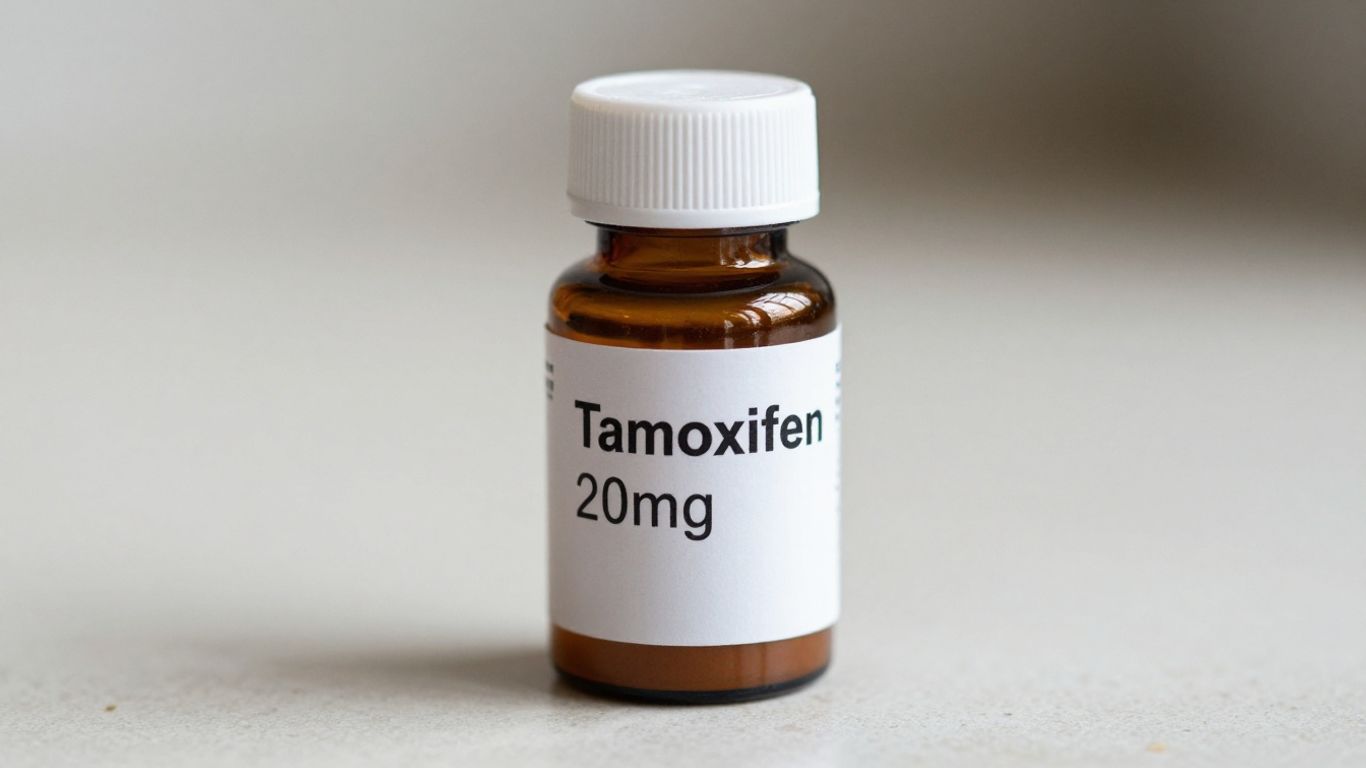
When using Tamoxifen for post-cycle therapy (PCT), the goal is to kickstart your natural testosterone production. A common approach involves a tapering dosage. You might start with a higher dose for the first couple of weeks, then reduce it. This helps your body adjust gradually.
- Weeks 1-2: 40 mg per day.
- Weeks 3-4: 20 mg per day.
Some individuals might extend this for another week or two at a lower dose, like 10-20 mg daily. This depends on how your body is responding and your bloodwork results. Always listen to your body during this recovery phase.
Guidelines for Gynecomastia Treatment Duration
If you’re using Tamoxifen to tackle gynecomastia, the duration can vary. It often depends on how early you catch the condition and how severe it is. The aim is to reduce or reverse the breast tissue growth.
- Initial Treatment: 4-6 weeks is a common starting point.
- Monitoring: You’ll want to see if the tissue responds. If it’s shrinking or becoming less sensitive, you might continue.
- Extended Use: Sometimes, treatment can go up to 8 weeks or longer if there’s still improvement. If Tamoxifen doesn’t help, you might need to talk to a doctor about other options.
The Role of Medical Supervision in Long-Term Use
Using Tamoxifen for extended periods, especially for conditions other than short-term PCT or gynecomastia treatment, really needs a doctor’s oversight. This isn’t something to do on your own. A healthcare provider can monitor your health closely.
They will check for side effects and adjust your dosage as needed. Bloodwork is key here. It helps track hormone levels and overall well-being. Without this supervision, long-term use carries more risks. It’s best to follow medical advice for any prolonged treatment.
Interactions and Contraindications for Tamoxifen
Foods and Beverages to Avoid During Use
Some things you eat or drink can mess with how well Tamoxifen works. It’s best to skip grapefruit and tangerines. Alcohol can also be a problem. Stick to water or other safe drinks. Avoiding these can help Tamoxifen do its job better.
Considerations for Individuals with Pre-existing Conditions
If you have certain health issues, Tamoxifen might not be the right choice. People with a history of blood clots need to be extra careful. Those with liver problems should also talk to their doctor. Tamoxifen can lead to serious, life-threatening events like stroke or blood clots, especially in those with risk factors.
Pregnancy and Contraception Guidelines
Tamoxifen is a definite no-go if you are pregnant or planning to become pregnant. It can cause birth defects. You need to use reliable, non-hormonal birth control. This is important both while you are taking it and for a couple of months after you stop. Always discuss your contraception options with a healthcare provider.
Using Tamoxifen requires careful consideration of your overall health. It’s not a one-size-fits-all medication. Always consult with a medical professional before starting any new treatment, especially one that affects your hormones.
Comparing Tamoxifen to Other SERMs
Tamoxifen Versus Clomiphene Citrate (Clomid)
Tamoxifen and Clomiphene Citrate (Clomid) are both Selective Estrogen Receptor Modulators (SERMs). They work differently in the body. Tamoxifen blocks estrogen in breast tissue. It mimics estrogen in other places like the liver. Clomid primarily blocks estrogen in the hypothalamus and pituitary gland. This difference affects how they impact hormone levels.
Tamoxifen is often preferred for gynecomastia prevention. It directly targets estrogen receptors in breast tissue. Clomid is more focused on signaling the brain to produce more LH and FSH. This boosts testosterone production. Many use them together for a stronger post-cycle effect.
Here’s a quick look at their typical PCT roles:
| SERM | Primary Action Site | Key Benefit in PCT |
|---|---|---|
| Tamoxifen | Breast Tissue, Liver | Gyno Prevention, LH/FSH |
| Clomiphene | Hypothalamus, Pituitary | Strong LH/FSH Stimulation |
Raloxifene as an Alternative for Gynecomastia
Raloxifene is another SERM. It’s also used for gynecomastia. It has a strong affinity for breast tissue. This makes it quite effective at blocking estrogen’s effects there. Some find it useful for reversing early signs of gyno. It might not be the first choice for overall testosterone recovery, though.
Raloxifene’s main strength is its potent estrogen blockade in the chest area. It’s less studied for boosting testosterone compared to Tamoxifen or Clomid. People might choose it if gynecomastia is the main concern. It’s important to understand its specific actions.
Understanding SERM Mechanisms for Post-Cycle Therapy
SERMs work by binding to estrogen receptors. They can either block estrogen or mimic it. This action depends on the tissue. Tamoxifen blocks estrogen in the breast. It acts like estrogen in the liver. This helps maintain some positive estrogen effects. Clomid blocks estrogen in the brain. This signals the body to make more LH and FSH. These hormones then tell the testes to produce testosterone.
The goal of SERMs in post-cycle therapy is to restore natural hormone production. They also prevent unwanted estrogenic side effects. Different SERMs have unique profiles. This means they suit different needs after a cycle. Careful selection is key for effective recovery. Choosing the right SERM depends on your specific goals.
Alternatives to Tamoxifen for Hormonal Support
Exploring Natural Testosterone Boosters
Some people look for natural ways to support their hormone levels. These products often contain herbs and vitamins. They aim to help your body produce more testosterone on its own. Think of ingredients like ashwagandha or fenugreek. These are common in natural boosters. They might help with stress too. This can indirectly help hormones. Natural options are generally safer. They carry fewer risks than prescription drugs.
The Role of Aromatase Inhibitors (AIs)
Aromatase inhibitors work differently than SERMs. AIs block the aromatase enzyme. This enzyme converts testosterone into estrogen. By blocking it, AIs lower overall estrogen levels. This can be useful for managing estrogen. However, crashing estrogen too low has its own problems. It can affect mood and joint health. It might also impact bone density over time. AIs are not typically the first choice for PCT.
Enclomiphene Citrate as a Potential Alternative
Enclomiphene citrate is another SERM. It’s closely related to clomiphene. Some studies suggest it might be more effective. It may also have fewer side effects than clomiphene. Enclomiphene focuses on blocking estrogen’s effects. This can help boost LH and FSH. These hormones then signal the testes to make more testosterone. It’s being explored for hypogonadism. It could be a future option for hormonal support [11, 12].
When considering alternatives, it’s important to look at how they affect your entire hormonal system. A drug that lowers estrogen might have ripple effects. Understanding these interactions is key. Always discuss options with a doctor. They can help you weigh the pros and cons.
Legal and Ethical Considerations of Tamoxifen Use
Prescription Requirements and Sourcing Tamoxifen
Tamoxifen is a prescription medication. Doctors prescribe it for specific medical conditions. Using it without a prescription is against the law in most places. Getting it from unverified sources carries risks. These sources might sell fake or contaminated products. Always obtain Tamoxifen through legitimate medical channels.
The Distinction Between Medical Use and Performance Enhancement
Tamoxifen has approved medical uses. These include treating breast cancer and certain fertility issues. Using it for bodybuilding or performance enhancement is considered off-label. This use is not medically supervised. It falls outside standard medical practice. This practice challenges the fundamental principles of fair competition and integrity. [6c35]
Risks of Unsupervised Use and Research Chemicals
Using Tamoxifen without a doctor’s guidance is risky. You might not know the correct dosage. Side effects can become more severe. Some products sold online are not what they claim to be. They might be research chemicals or adulterated supplements. [3364] This can lead to unexpected health problems. It is important to be aware of these dangers.
Wrapping Up: Tamoxifen and Your Health
So, we’ve talked a lot about Tamoxifen, especially how some people use it for bodybuilding. It’s clear that while it can do some helpful things, like help with certain hormone issues or prevent some side effects, it’s not exactly a simple fix. There are definite risks involved, like potential vision changes or mood swings, and it’s not meant for everyone. Plus, it messes with your hormones in ways that might actually work against muscle gains, which is kind of the opposite of what some people are going for. If you’re thinking about using it, or anything like it, it’s super important to talk to a doctor. They can look at your health history and figure out if it’s even a good idea for you, or if there are safer ways to reach your goals. Don’t just wing it with this stuff; your health really comes first.
Frequently Asked Questions
What exactly is Tamoxifen and what does it do?
Tamoxifen is a medicine that acts like a traffic cop for estrogen in your body. It’s called a SERM, which means it can block estrogen in some places, like your chest, but act like estrogen in others, like your liver. Doctors originally used it for breast cancer, but now some men use it to help with things like preventing puffy nipples (gynecomastia) or helping their body make more testosterone after using steroids.
Why would a guy use Tamoxifen for bodybuilding?
Bodybuilders sometimes use Tamoxifen after a cycle of steroids. Steroids can mess with your hormones, especially estrogen. Tamoxifen can help stop the unwanted effects of too much estrogen, like gynecomastia, and it can also help signal the body to start making its own testosterone again. It’s mainly used to get hormones back in balance.
What are the main benefits of Tamoxifen for men?
The biggest plus for guys is stopping or even reversing gynecomastia, which is when men develop breast tissue. It can also help kick-start your body’s own testosterone production, which is super important for energy, muscle, and feeling good. For some, it can even help with fertility issues caused by hormone problems.
Are there risks or side effects when men take Tamoxifen?
Yes, like any medicine, there can be side effects. Some guys might get blurry vision or have trouble seeing in different light. Others might feel moodier or more irritable. Stomach upset, like feeling sick or bloated, can also happen. While rare, there’s also a small risk of blood clots, especially if you have other risk factors.
How does Tamoxifen affect hormones like testosterone?
Tamoxifen can actually help boost your body’s natural testosterone production. It does this by telling your brain to send signals that tell your testicles to start working again. This is a key part of why it’s used after steroid cycles. However, it can also increase a protein called SHBG, which can make less of your testosterone available to use.
How long do people typically use Tamoxifen, and what’s the usual dose?
For post-cycle therapy (PCT), a common plan is to take 40 mg a day for a couple of weeks, then drop to 20 mg a day for another couple of weeks. For gynecomastia, it might be 20-40 mg a day for 4-6 weeks. It’s really important not to use it for too long without a doctor’s advice, as that’s when risks can go up.
Can I buy Tamoxifen without a prescription?
No, in most places like the U.S., Tamoxifen is a prescription drug. You need a doctor to say it’s okay for you to have it. Buying it from places that sell ‘research chemicals’ without a prescription isn’t safe or legal, and you don’t know what you’re really getting.
What should I avoid if I’m taking Tamoxifen?
You should steer clear of grapefruit and grapefruit juice, as it can make Tamoxifen work differently in your body. It’s also a good idea to limit or avoid alcohol while you’re taking it. These things can affect how well the medicine works and might increase side effects.