








Key Takeaways
Understanding the differences between peptide therapies helps patients make informed decisions about their health objectives and metabolic support strategies. These growth hormone-releasing peptides offer distinct pharmacological benefits depending on specific clinical needs.
- Tesamorelin is primarily recognized for its potent effects on visceral fat reduction.
- Sermorelin mimics natural growth hormone-releasing hormone for gentle pituitary stimulation.
- Choosing between these agents depends on clinical goals like fat loss versus general hormone optimization.
- Both peptides require careful administration routines for optimal efficacy and absorption.
- Physician oversight ensures that patients maximize the therapeutic benefits while mitigating potential risks.
Understanding the mechanisms of action
Selecting a peptide begins with identifying how each molecule interacts with the body’s natural signaling systems. These peptides function as secretagogues, prompting the pituitary gland to release endogenous growth hormone through distinct receptor-binding pathways. Understanding these biochemical distinctions remains essential for determining the appropriate therapeutic approach.

How tesamorelin works as a growth hormone-releasing hormone analog
Tesamorelin functions as a synthetic growth hormone-releasing factor analog that mimics the endogenous GHRH molecule. By selectively binding to the GHRH receptors on the pituitary gland, it initiates a sustained and robust pulse of growth hormone secretion. This mechanism contributes to its specific efficacy in modifying body composition through metabolic regulation.
The role of sermorelin in stimulating pituitary hormone release
Sermorelin acts as a truncated version of human growth hormone-releasing hormone composed of 29 amino acids. It stimulates the pituitary gland to produce growth hormone pulses that align closely with the natural circadian rhythms of the body. This approach provides a tempered increase in hormonal production rather than the prolonged, higher-intensity response associated with more potent analogs.
Distinguishing between GHRH analogs and other growth hormone secretagogues
Distinguishing between various growth hormone supportive agents requires looking at their receptor affinity and half-life characteristics. While both tesamorelin and sermorelin interact with GHRH receptors, other secretagogues like those discussed in SARMs for sale function through entirely different pathways, such as ghrelin receptor agonism. Understanding receptor selectivity helps patients seeking Signature Solitaire Collection or other specialized wellness approaches to properly prioritize their growth hormone support requirements.
Efficacy and clinical applications
Clinical evaluation of these peptides relies on distinct outcomes related to body composition and metabolic health markers. Medical providers review trial data to determine how different potencies correlate with tangible patient progress over time. These results help clarify which peptide serves a specific medical need rather than providing a one-size-fits-all hormone solution.

Primary medical uses and fat-reduction potential of tesamorelin
Tesamorelin is frequently associated with the reduction of visceral fat in specific medical contexts where metabolic dysregulation is present. Its potency allows it to significantly impact the abdominal adiposity that often remains resistant to traditional diet and lifestyle interventions. Research indicates that the differences between Tesamorelin and Sermorelin include a stronger, more sustained hormonal signal, which is critical for these outcomes.
Typical therapeutic indications for sermorelin administration
Sermorelin serves as a foundational option for patients aiming for general wellness optimization and improved recovery markers. It is often preferred for those seeking gentle, continuous support for natural physiological pathways without immediate, intense metabolic shifts. This peptide is commonly utilized in longevity-focused programs where maintaining a consistent, natural pulsatile release is the primary goal.
Comparative timelines for observing anticipated clinical results
Patients often evaluate these therapies based on the speed of visible changes in body composition and energy levels. The following table highlights common clinical observation milestones for each peptide therapy based on consistent administration patterns.
| Observation Period | Tesamorelin Metric | Sermorelin Metric |
|---|---|---|
| 4 Weeks | Early metabolic shifts | Improved sleep quality |
| 8 Weeks | Visible fat reduction | Enhanced recovery rate |
| 12 Weeks | Optimized lean mass | Consistent energy levels |
These timelines illustrate the functional difference between an agent targeting specific adiposity versus one focused on gradual hormonal balance. As seen with growth hormone-releasing hormone analogs, the duration of use is just as important as the mechanism itself, much like how one makes choices about adhesive solutions for repairs to ensure long-term stability.
Safety profiles and potential side effects
Monitoring safety remains a mandatory component of any peptide-based protocol to ensure long-term patient health. Adverse reactions typically stem from the intensity of the hormonal response or local injection site sensitivity. Clinical oversight is necessary to adjust doses or frequency if side effects emerge during initial phases of treatment.

Common adverse reactions associated with tesamorelin therapy
Patients might experience localized discomfort or fluid shift symptoms as their metabolic markers begin to change under the influence of increased growth hormone. Ensuring correct injection technique and monitoring IGF-1 levels are primary steps in managing these outcomes. Such precautions are as essential as grievance as a status awareness in social systems, as they help users manage expectations effectively.
Safety considerations and monitoring requirements for sermorelin
Monitoring sermorelin therapy involves observing for signs of over-stimulation of the pituitary axis. Practitioners usually maintain a close watch on serum IGF-1 levels to verify that the dosage remains within a healthy, physiological range for the individual patient. Maintaining this hormonal balance ensures consistent, safe benefits over an extended cycle of administration.
Contraindications and patient-specific health risks to consider
Certain health histories, such as active malignancies or severe untreated hypertension, potentially preclude the use of specific peptide therapies. A detailed review of medical history is mandatory to ensure these agents are appropriate for an individual’s specific profile. Just as one might look at home sale costs before proceeding with a major real estate investment, patients must weigh risks against known clinical indicators with their provider.
Dosage and administration protocols
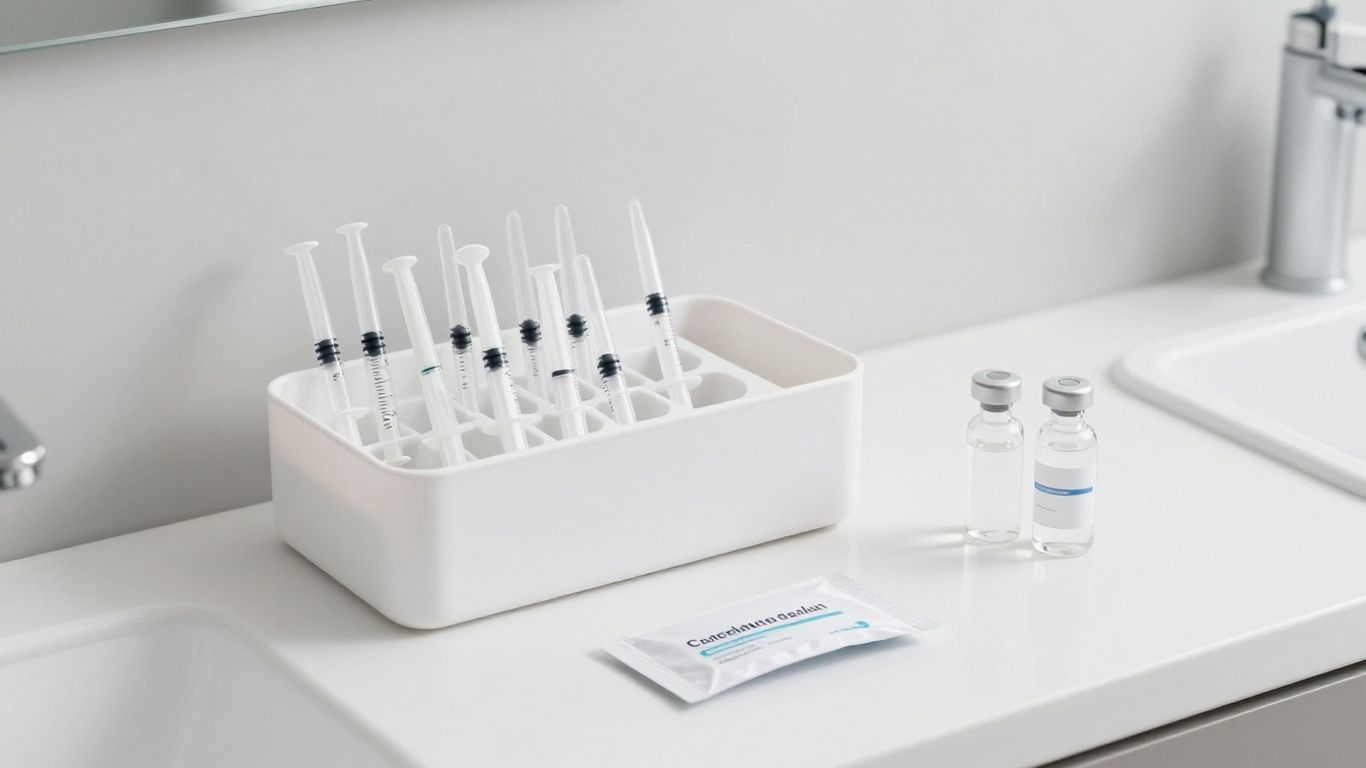
Consistent administration is the primary driver of therapeutic success for secretagogue peptides in daily life. Proper technique ensures that the peptide reaches systemic circulation efficiently, while cycles determine how the body adapts to the stimulus. Providers often customize these regimens according to the patient’s initial response and specific markers for improvement.
Standard dosing regimens and frequency for tesamorelin
Tesamorelin protocols usually involve a structured daily schedule to maintain serum concentration levels. The goal is to provide a consistent daily signal that supports metabolic efforts while allowing for adequate resting periods. Practitioners emphasize the importance of following a strict routine to maximize absorption and clinical impact.
Typical administration techniques and cycles for sermorelin
Sermorelin administration often follows a cycle that targets specific times of the day to mimic natural human growth hormone peaks. Many users adhere to specific routines to ensure the peptide aligns with their personal schedule and sleep quality goals. The following list outlines standard steps for maintaining a consistent and effective cycle:
- Reconstitute the peptide according to specific medical guidelines provided by the source.
- Use sterile injection equipment to ensure safety and hygiene during daily use.
- Administer the dose subcutaneously at the same time every evening for consistency.
- Rotate injection sites regularly to minimize tissue irritation and improve absorption rates.
These practices illustrate that success isn’t just about the molecule used, but how the patient integrates the treatment into their life, much like applying growth hormone-releasing peptides correctly to support health and wellness.
Factors influencing individual titration and medical oversight
Individual titration depends on the patient’s existing hormone profiles, physiological response to therapy, and personal health goals as determined by a provider. This process is dynamic, requiring frequent updates to the protocol to ensure the patient avoids plateauing. Even for those concerned with normal growth patterns, it is crucial to recognize that individual variance is common in any hormone-based medical program where consistent monitoring and adjustment are essential.
Choosing the appropriate peptide for your health goals
Selecting between these peptides requires a balanced assessment of medical needs and the physiological response sought by the patient. A clear understanding of the specific strengths of each agent allows for a targeted approach to hormone optimization. This selection process is always led by clinical goals rather than anecdotal evidence or consumer trends.
How physician-led clinical goals dictate treatment recommendations
Clinical goal setting shifts the focus from popular opinion to validated outcomes, which is the cornerstone of responsible peptide prescribing. A physician assesses the patient’s metabolic baseline and desired body composition endpoints to determine the most effective path forward. This targeted approach prevents the unnecessary use of potent agents when lighter, more sustainable support could achieve the same objective.
Comparing logistical accessibility and product availability
Logistics and product sourcing play a significant role in the feasibility of a long-term peptide regimen for many individuals. Navigating the landscape of availability requires ensuring that any chosen source provides transparency and adheres to stringent compounding standards. Reliable access to high-quality compounds is as vital as comparing growth hormone therapy choices when making decisions about long-term metabolic health.
Evaluating patient history for optimal peptide selection
Evaluating the complete patient history, including metabolic challenges and previous hormone therapies, is fundamental to informed decision-making. No two patients react identical to pharmacological support, which makes a personalized history review the most reliable way to select the appropriate candidate peptide. This foundational vetting process serves to align the patient’s unique physiological needs with the most compatible therapeutic agent available.
Conclusion
Navigating the nuances of tesamorelin and sermorelin requires a deliberate partnership between the patient and a qualified medical practitioner. By emphasizing mechanism identification, careful dosage management, and clear clinical goal setting, individuals can effectively integrate these peptides into their overall health and performance strategy while prioritizing safety and long-term metabolic stability.
Frequently Asked Questions
Do these peptides work for everyone?
Individuals respond differently based on their baseline hormone levels, metabolism, and existing health status, meaning results are never guaranteed for every user.
Is it possible to use both peptides at once?
Combining these secretagogues is generally not recommended as they function through similar pathways, potentially leading to over-stimulation or unpredictable hormonal responses.
How long until I see results?
Visible changes in body composition or energy levels often require several weeks of consistent usage and proper lifestyle support to reach meaningful markers.
Are these peptides considered performance enhancing?
While they are used in various medical and wellness applications, they are subject to strict regulations and ethical usage standards, particularly in professional athletic environments.
Does age affect how the peptides function?
Biological age can influence hormone production natural reserves, which may change the sensitivity of the pituitary gland to secretagogue stimulation over time.
Do these peptides require a needle?
Both substances require subcutaneous administration to ensure they remain effective, as oral delivery methods currently lack the stability needed for reliable results.
Should I change my diet while taking these?
Adopting balanced nutritional habits often maximizes the benefits of these peptides, as metabolic support works most effectively when paired with proper diet and movement.