







Key Takeaways
Tbol can affect the liver, cholesterol, hormones, mood, and cardiovascular health. No online dosing schedule can make non-prescribed use universally safe.
- Turinabol is an oral anabolic steroid with meaningful health risks.
- A safe tbol dose does not exist for unsupervised use.
- Product quality, duration, combinations, and personal history change the danger.
- Blood tests cannot prevent every complication, but they can reveal early problems.
- Seek medical support before stopping or changing use.
What tbol is and how it affects the body
Tbol usually refers to Turinabol, also called 4-chlorodehydromethyltestosterone. It belongs to the anabolic-androgenic steroid group. The body processes it through several systems, including the liver and endocrine system.
Understanding its classification helps explain why performance goals do not remove medical risks. The absence of obvious symptoms also does not prove that the body remains unaffected.

Turinabol’s active compound and classification
Turinabol contains 4-chlorodehydromethyltestosterone as its active compound. It has anabolic and androgenic activity, although those effects may differ between individuals. A chemistry reference describes its oral bioavailability, metabolism, and elimination characteristics in more detail through 4-chlorodehydromethyltestosterone data.
Those properties do not establish a safe personal regimen. They only describe how the substance behaves in the body.
How oral anabolic steroids differ from other forms
Oral anabolic steroids pass through the digestive system before the body eliminates them. This route can place particular demands on liver metabolism. Oral use also makes informal dosing seem simple, even when the medical consequences remain complex.
Pharmacokinetic information can describe absorption and elimination, but it cannot predict your personal response. Readers can review broader Oral-Turinabol pharmacokinetics, while remembering that such data does not replace clinical advice.
Why individual response can vary
People differ in liver health, cholesterol levels, blood pressure, genetics, and hormone balance. Other medicines and supplements can also change the overall risk. Previous steroid exposure may further complicate the response.
A person may feel well while laboratory values worsen. That is why symptoms alone provide an unreliable safety check.
Prescription status and regulatory considerations
Turinabol does not have a universally accepted role in routine medical treatment. Laws vary by country, but possession or distribution may carry legal consequences. Athletic organizations may also prohibit anabolic steroids.
Pregnancy creates special concern because androgenic substances can harm fetal development. Medical advice should address legal status, reproductive plans, and the reason for considering use.
Why there is no universally safe tbol dose
People often search for a number that promises results with limited harm. Medicine cannot provide that guarantee for non-prescribed Turinabol use. A tbol dose that appears tolerable for one person may cause serious injury in another.
Online schedules often omit testing, interactions, product verification, and personal history. They also encourage comparisons that can normalize escalating use.
The difference between online cycle advice and medical guidance
Forum discussions often focus on milligrams, cycle length, and expected results. They rarely include a complete medical assessment. A beginner Turinabol guide may organize common online claims, but that does not make those claims clinical recommendations.
Medical guidance starts with your health history and current medicines. It also considers whether the expected benefit justifies the possible harm.
How dose, duration, and product quality affect risk
Higher exposure can increase toxicity, but lower exposure does not guarantee safety. Longer use may extend liver, lipid, and hormone disturbances. Unknown concentration adds another layer of uncertainty.
The main variables usually include:
- The amount taken and the length of use.
- The actual ingredients and concentration.
- Other steroids, medicines, or supplements used together.
- Existing liver, heart, kidney, or hormone conditions.
These factors interact rather than operate separately. A short period can still cause harm, particularly with an unreliable product or vulnerable health profile.
Why body weight is not a reliable dosing guide
Body weight does not predict how the liver metabolizes Turinabol. It also does not account for blood pressure, cholesterol, genetics, or hormone sensitivity. Weight-based calculations can therefore create false confidence.
Clinical dosing, when appropriate for a legitimate medicine, follows evidence and monitoring. Informal steroid use lacks that same foundation.
The dangers of using counterfeit or mislabeled products
Unregulated products may contain the wrong substance, an inaccurate strength, or unexpected contaminants. Packaging can look convincing while offering no reliable quality control. This makes a planned dose different from the dose actually consumed.
A community thread about Tbol dosage debates illustrates how online users may compare amounts without verifying products. Such discussion cannot confirm safety or purity.
Health risks associated with tbol use
Turinabol can affect several body systems at once. Liver injury, lipid changes, hormone suppression, and psychological effects may develop together. Risk can also continue after the last dose.
The phrase “mild steroid” does not describe a medically safe substance. It often reflects comparisons with other drugs rather than evidence of low risk.
Liver toxicity and abnormal liver tests
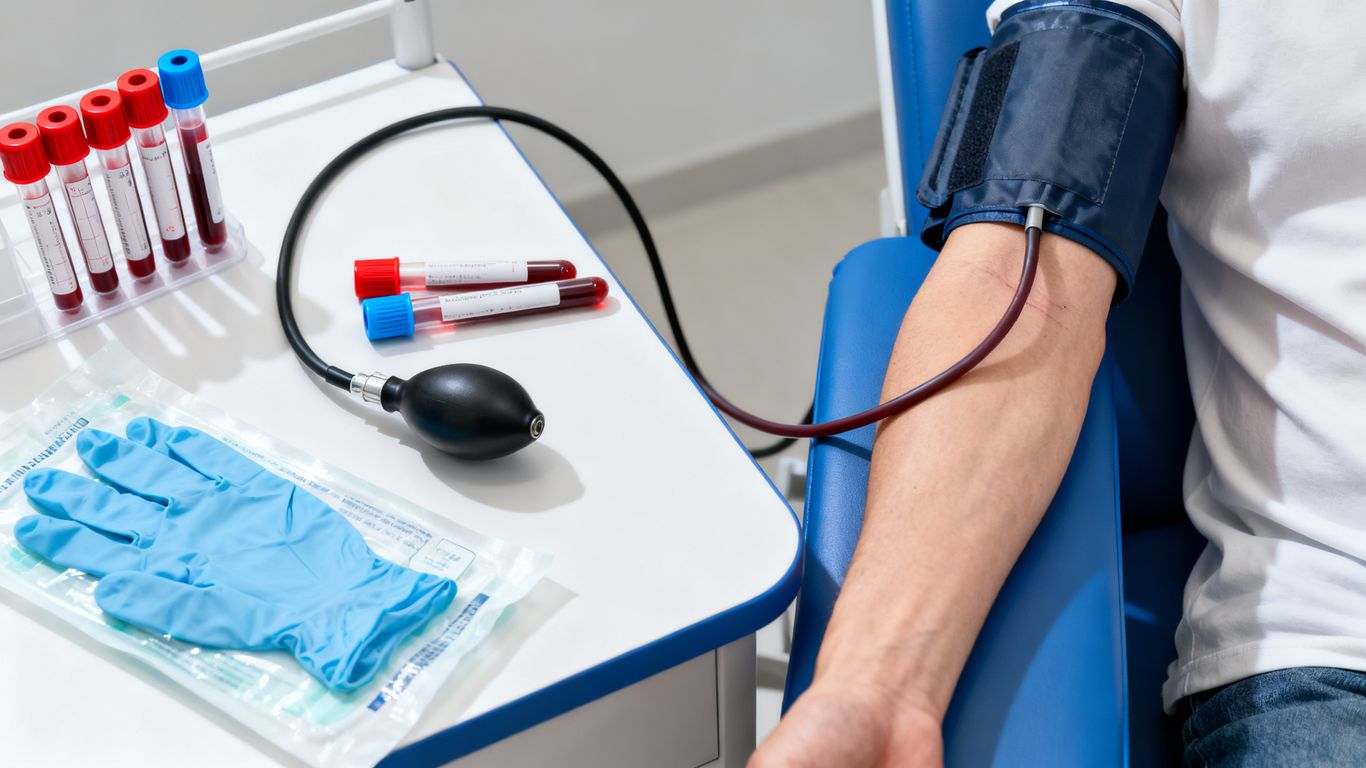
Oral anabolic steroids can stress the liver and raise liver enzymes. Some people develop cholestatic injury, which can interfere with bile flow. Symptoms may appear late, so testing matters even when you feel normal.
Alcohol and other liver-stressing substances may worsen the burden. A clinician should interpret abnormal results alongside symptoms and medication history.
Cholesterol changes and cardiovascular strain
Steroid use can lower protective HDL cholesterol and raise harmful LDL cholesterol. These changes can increase long-term cardiovascular risk. Blood pressure may also rise during use.
The effects may remain invisible until a serious event occurs. A comparison of Turinabol and Anavar side effects can provide context, but comparison does not turn either substance into a safe choice.
Testosterone suppression and hormonal effects
External anabolic hormones can reduce the body’s natural testosterone production. Recovery may take time and may not occur fully. Symptoms can include fatigue, reduced libido, erectile difficulties, and mood changes.
Hormonal suppression can affect fertility as well. Blood testing helps clarify the problem, but self-directed hormone treatment can create additional risks.
Mood, skin, hair, and reproductive changes
Some users notice acne, oily skin, hair loss, or changes in body hair. Mood may shift toward irritability, anxiety, or low mood. Reproductive effects can include reduced sperm production and menstrual changes.
A comparison table can clarify which concerns deserve attention, although it cannot predict an individual outcome.
| Area affected | Possible concern | Why monitoring helps |
|---|---|---|
| Liver | Enzyme elevation or bile-flow injury | Detects problems before severe symptoms |
| Lipids | Lower HDL or higher LDL | Refines cardiovascular risk assessment |
| Hormones | Testosterone suppression | Explains fatigue and reproductive symptoms |
| Mood | Irritability, anxiety, or depression | Supports timely mental-health care |
These categories often overlap. A single symptom may have several possible causes, so proper assessment matters.
Medical factors that can increase the danger
Personal health history changes the risk of steroid exposure. A normal gym routine does not cancel underlying disease. Some conditions remain hidden until a stressor exposes them.
Before using any non-prescribed anabolic steroid, share the full picture with a qualified clinician. That includes supplements, recreational drugs, and previous steroid cycles.

Existing liver, heart, or kidney conditions
Liver disease may reduce the body’s ability to process Turinabol safely. Heart disease and high blood pressure can increase cardiovascular danger. Kidney problems may complicate fluid balance and laboratory interpretation.
Past abnormal tests also deserve attention. A clinician may recommend further evaluation before discussing any treatment or stopping plan.
Interactions with alcohol and other medications
Alcohol can add liver stress and impair judgment about changing a regimen. Prescription medicines may alter bleeding risk, blood pressure, cholesterol, or liver function. Supplements can also contain active ingredients that affect the same systems.
Bring every product to the appointment, including occasional medicines. Accurate information allows safer decisions.
Effects of combining tbol with other anabolic steroids
Combining steroids can multiply uncertainty rather than balance side effects. Each compound may affect liver function, lipids, blood pressure, or hormones. Stacking also makes it harder to identify the cause of a new symptom.
Users should not treat one substance as protection from another. The total exposure determines the practical medical concern.
Why age, sex, and medical history matter
Age affects cardiovascular, liver, and reproductive considerations. Sex changes the likely hormonal and reproductive consequences. Medical history adds further context, including family risks for heart disease or mood disorders.
Discussions of sex development require care and consent. A respectful AIS information guide shows why medical details should never become assumptions about an individual.
Warning signs that require prompt medical attention
Some symptoms need urgent evaluation rather than online troubleshooting. Do not wait for a cycle to finish if your condition worsens. Sudden or severe symptoms deserve emergency care.
If you feel seriously unwell, contact local emergency services. Tell clinicians what you took, when you took it, and whether you combined substances.
Symptoms of possible liver injury
Yellow skin or eyes, dark urine, pale stools, severe itching, and upper-right abdominal pain can signal liver or bile-flow problems. Persistent nausea and unusual exhaustion also warrant medical attention. These symptoms should not prompt a dose adjustment at home.
Seek prompt care, especially when several symptoms occur together. Early assessment may limit further injury.
Chest pain, shortness of breath, and circulation concerns
Chest pressure, sudden breathlessness, fainting, or new weakness can indicate a serious cardiovascular problem. Severe headache or one-sided weakness also needs urgent assessment. Call emergency services rather than driving yourself.
Do not dismiss symptoms because you exercise regularly. Fitness does not eliminate the possibility of an acute medical event.
Severe mood or behavioral changes
Extreme agitation, panic, confusion, hallucinations, or thoughts of self-harm require immediate support. Steroid-related mood changes can affect judgment and relationships. A trusted person can help you reach urgent mental-health or emergency care.
Remove access to large quantities of substances when possible. Stay with someone at immediate risk until professional help arrives.
Signs of hormonal or reproductive complications
Severe testicular pain, sudden breast changes, unusual bleeding, or significant sexual dysfunction deserves clinical review. Fertility changes may occur without dramatic symptoms. Early evaluation can identify hormone disruption and other causes.
Pregnancy or possible pregnancy raises the urgency of medical advice. Do not conceal exposure from an obstetric or primary-care clinician.
How clinicians assess steroid-related health risks
Clinicians usually combine conversation, examination, laboratory testing, and follow-up. No single test captures every steroid-related problem. The assessment should match the person’s symptoms and exposure.
Honest disclosure improves safety. Healthcare professionals focus on treatment, not punishment, although legal duties can vary.
Relevant medical history and physical examination
A clinician may ask about dose, timing, source, combinations, symptoms, and previous use. They may review family history, sleep, diet, alcohol, and mental health. Examination can include skin, body hair, abdominal findings, and reproductive concerns.
Share product photographs or packaging if available. Even imperfect information can help identify uncertainty.
Liver, kidney, lipid, and hormone testing
Testing may include liver enzymes, bilirubin, kidney markers, cholesterol, triglycerides, and hormone levels. The exact panel depends on symptoms and clinical judgment. Results require interpretation within the person’s baseline health.
A normal result does not guarantee future safety. It only describes one point in time.
Blood pressure and cardiovascular evaluation
Blood pressure checks provide a simple but useful risk signal. Clinicians may also assess weight, symptoms, family history, and cardiovascular fitness. Further testing depends on findings and risk factors.
Do not use a home reading to rule out serious symptoms. Chest pain or fainting still requires urgent care.
Follow-up monitoring and documentation
Follow-up allows clinicians to compare results over time. It can reveal whether symptoms improve, persist, or worsen after stopping. Documentation also helps guide future care.
Keep a private record of dates, products, symptoms, and test results. A privacy policy such as VinoSomm data practices illustrates why people should understand how health information gets collected and protected, even though it concerns another service.
Safer next steps if you are considering or already using tbol
The safest option is not to begin non-prescribed Turinabol. If you already use it, avoid sudden decisions based on forum pressure. A healthcare professional can help assess risks and plan appropriate care.
You can still pursue strength or body-composition goals without relying on unverified hormones. A slower plan can protect health while supporting consistent progress.
Discussing nonjudgmentally with a qualified healthcare professional
Choose a doctor, pharmacist, or qualified healthcare professional who can review your situation privately. State what you used, how often, and when you last took it. Accurate disclosure helps them select relevant tests and support.
Ask about liver health, cardiovascular risk, hormones, fertility, and mental health. Bring a list of medicines and supplements.
Avoiding dose escalation and unverified online protocols
Do not increase the amount because progress seems slow. Do not copy another person’s cycle or combine products to offset unwanted effects. Online advice cannot account for your examination or laboratory results.
Marketing and forum anecdotes also create false certainty. Treat claims about “safe” cycles as unverified unless qualified evidence supports them.
Considering evidence-based training and nutrition alternatives
Progressive resistance training, adequate protein, sufficient sleep, and realistic calorie targets can support performance. A qualified coach can adjust workload without encouraging excessive effort. A guide to controlled physical activity discusses gradual progression and recovery.
Clear goals make safer planning easier. A training video can also help organize instruction, such as this training video guide, without making drug-related claims.
Getting support for stopping or managing withdrawal symptoms
Stopping may bring fatigue, low mood, reduced libido, sleep changes, or anxiety. Do not assume these symptoms will resolve through supplements alone. A clinician can assess hormone recovery and mental-health needs.
Seek urgent help for suicidal thoughts, severe depression, or dangerous behavior. Support from trusted people can make follow-up easier.
Ethical online health information should also avoid manipulative promotion. Readers can review principles of safe SEO link building when evaluating whether a health page earns trust. Practical planning matters in other safety-sensitive areas too, including corporate travel transportation.
Conclusion
There is no universally safe tbol dose for unsupervised use. Turinabol can affect the liver, cardiovascular system, hormones, mood, and reproduction. If you are considering it or already using it, speak with a qualified healthcare professional and seek urgent care for warning signs.
Frequently Asked Questions
What is tbol?
Tbol commonly refers to Turinabol, an oral anabolic-androgenic steroid. It can affect liver function, cholesterol, hormones, mood, and reproduction.
Is there a safe tbol dose?
No universally safe dose exists for unsupervised use. Individual health, product quality, duration, combinations, and monitoring all change risk.
Can body weight determine the right dose?
No. Body weight does not predict liver metabolism, hormone sensitivity, blood pressure, or cardiovascular risk.
Can someone feel healthy while problems develop?
Yes. Liver, cholesterol, blood pressure, and hormone changes may develop before noticeable symptoms appear.
What tests might a clinician order?
Testing may include liver, kidney, lipid, and hormone assessments. Blood pressure and cardiovascular evaluation may also form part of the review.
What symptoms need urgent medical attention?
Chest pain, severe breathlessness, fainting, jaundice, dark urine, confusion, or thoughts of self-harm require prompt or emergency care.
Should someone disclose steroid use to a clinician?
Yes. Honest information about products, amounts, timing, and combinations helps clinicians assess risks and provide safer support.