








Key Takeaways
High testosterone can affect periods, skin, hair, fertility, and metabolic health. Testing helps identify the cause and guide treatment.
- Women with high testosterone levels may have irregular periods, acne, or excess facial hair.
- Polycystic ovary syndrome often causes elevated androgens, but other causes exist.
- Doctors interpret testosterone results alongside symptoms, age, medications, and menstrual status.
- Treatment depends on the underlying cause and the person’s fertility goals.
- Sudden virilization or rapidly worsening symptoms require prompt medical evaluation.
Understanding elevated testosterone in women
Testosterone supports several normal functions in women, including bone health, muscle maintenance, sexual function, and mood. Ovaries and adrenal glands produce small amounts, while tissues also convert related hormones. A single test rarely explains the whole picture.

What testosterone does in the female body
Testosterone belongs to a group called androgens. It interacts with body tissues and supports libido, muscle strength, bone health, and reproductive function.
People also produce testosterone in different amounts. For that reason, a result needs interpretation within the person’s overall health and life stage.
What high testosterone levels may indicate
Elevated testosterone may point to increased ovarian or adrenal production. It may also reflect changes in hormone binding or an underlying endocrine condition.
The androgen hormone overview explains how these hormones affect hair growth, mood, muscle, bones, and sexual development. Symptoms and laboratory findings do not always appear together.
The difference between biochemical and clinical hyperandrogenism
Biochemical hyperandrogenism means testing shows elevated androgen levels. Clinical hyperandrogenism means physical signs suggest androgen excess, such as unwanted hair growth or acne.
Some women have symptoms despite results within a laboratory range. Others have elevated results without noticeable changes, so clinicians consider both forms carefully.
How age, menstrual status, and life stage affect results
Hormone levels shift during puberty, reproductive years, pregnancy, and menopause. Menstrual irregularity can also change how clinicians interpret testing.
Reference ranges vary between laboratories. A clinician may repeat testing when timing, contraception, illness, or supplements could affect the result.
Common signs and symptoms of high testosterone
Symptoms can develop gradually or appear more quickly. Their intensity varies, and other conditions can cause similar changes. A careful evaluation prevents assumptions based on appearance alone.
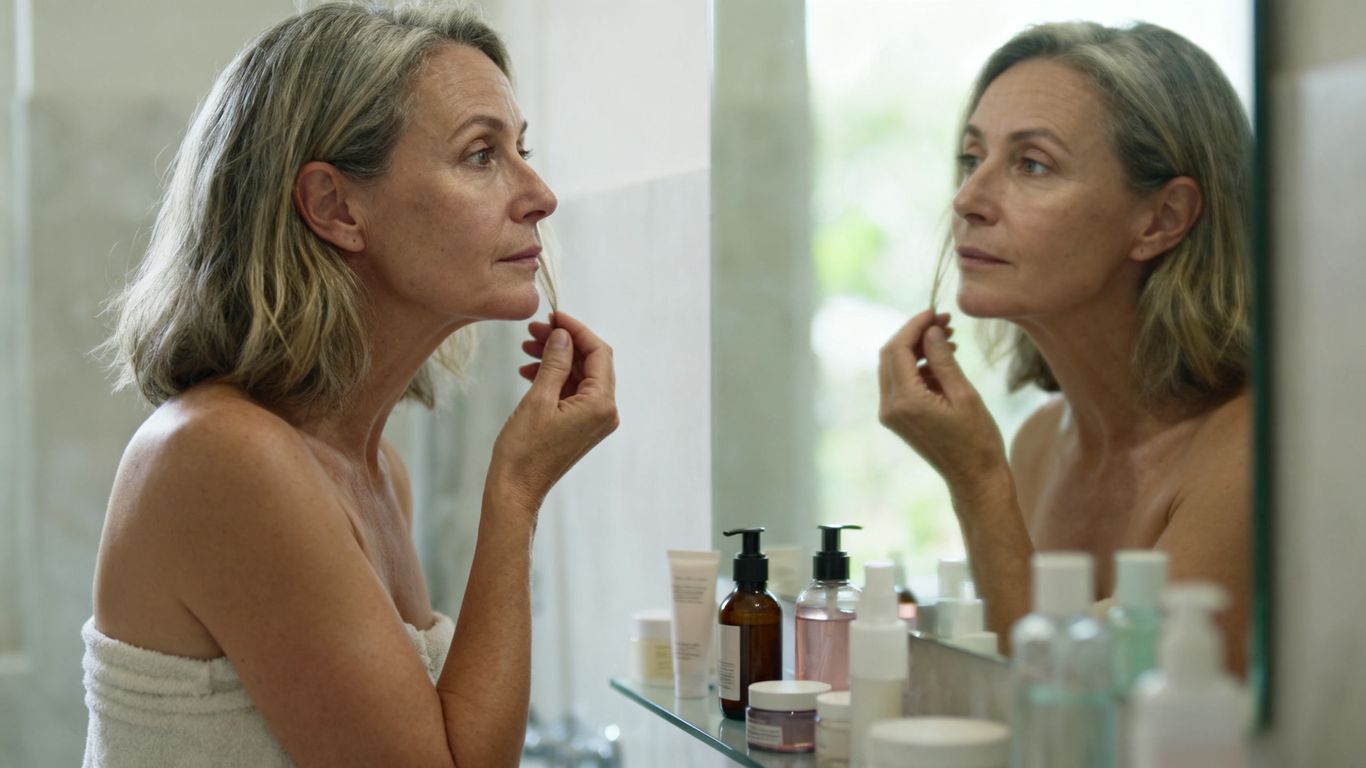
Irregular, infrequent, or absent periods
Higher androgen activity can interfere with regular ovulation. Periods may become widely spaced, unpredictable, or absent for several months.
Track cycle timing and bleeding changes before an appointment. This record can help connect menstrual changes with medications, weight shifts, stress, or other symptoms.
Excess facial and body hair
Coarse, dark hair may appear on the chin, upper lip, chest, abdomen, or back. Clinicians call this pattern hirsutism.
Hair growth reflects both hormone levels and inherited follicle sensitivity. Hair removal can manage appearance, but it does not identify the underlying cause.
Acne, oily skin, and scalp hair thinning
Androgen activity can increase oil production and contribute to persistent acne. Some women also notice thinning near the hairline or crown.
These changes may occur with or without period changes. Dermatology care can address symptoms while medical testing explores hormonal contributors.
Voice changes and other signs of virilization
A deeper voice, increased muscle bulk, clitoral enlargement, or rapid hair changes can signal stronger androgen effects. These findings deserve timely assessment.
Virilization differs from common acne or mild hair growth. Rapid progression matters because it can suggest a less common source of hormone excess.
Weight, mood, and metabolic changes
Some women experience weight changes, mood shifts, or reduced well-being alongside androgen-related symptoms. These signs remain nonspecific and need broader assessment.
Useful information to bring to an appointment includes:
- Recent menstrual dates and cycle patterns
- New acne, hair, or scalp changes
- Current medicines, supplements, and hormones
- Changes in weight, sleep, mood, or energy
This information helps a clinician build a more accurate timeline. It also reduces the chance of overlooking a medication or health condition.
Causes of high testosterone levels in women
Several conditions can raise testosterone or create symptoms that resemble androgen excess. PCOS remains common, but it does not explain every elevated result. The pattern, speed, and severity of symptoms help guide the evaluation.

Polycystic ovary syndrome
Polycystic ovary syndrome can involve irregular ovulation, androgen excess, acne, and increased facial hair. Some people with PCOS have normal testosterone testing.
The condition also connects with insulin resistance and metabolic risk. Diagnosis usually combines symptoms, examination findings, and selected tests rather than relying on one result.
Nonclassic congenital adrenal hyperplasia
Nonclassic congenital adrenal hyperplasia can increase adrenal androgen production. It may resemble PCOS, especially when irregular periods or excess hair appear.
Doctors may order specific adrenal hormone testing when the history suggests this possibility. Treatment depends on the findings and the person’s symptoms.
Ovarian and adrenal conditions
Ovarian or adrenal disorders can alter androgen production. These include benign conditions, hormone-producing growths, and other endocrine problems.
The causes of high testosterone in women include ovarian and adrenal sources, as well as broader hormonal changes. Clinicians use the entire pattern rather than assuming one cause.
Medications, supplements, and anabolic steroids
Prescription hormones, bodybuilding products, and supplements may affect testosterone results or symptoms. Exposure can occur through direct use or, rarely, contact with topical hormone products.
Tell the clinician about every product, including nonprescription items. Online dosing advice cannot make unsupervised anabolic steroid use safe.
Rare hormone-producing tumors
Tumors that produce androgens remain uncommon. They become more concerning when testosterone rises markedly or virilizing changes progress quickly.
Doctors may investigate ovarian or adrenal sources with targeted tests and imaging. Prompt assessment helps distinguish rare causes from more common conditions.
How doctors diagnose elevated testosterone
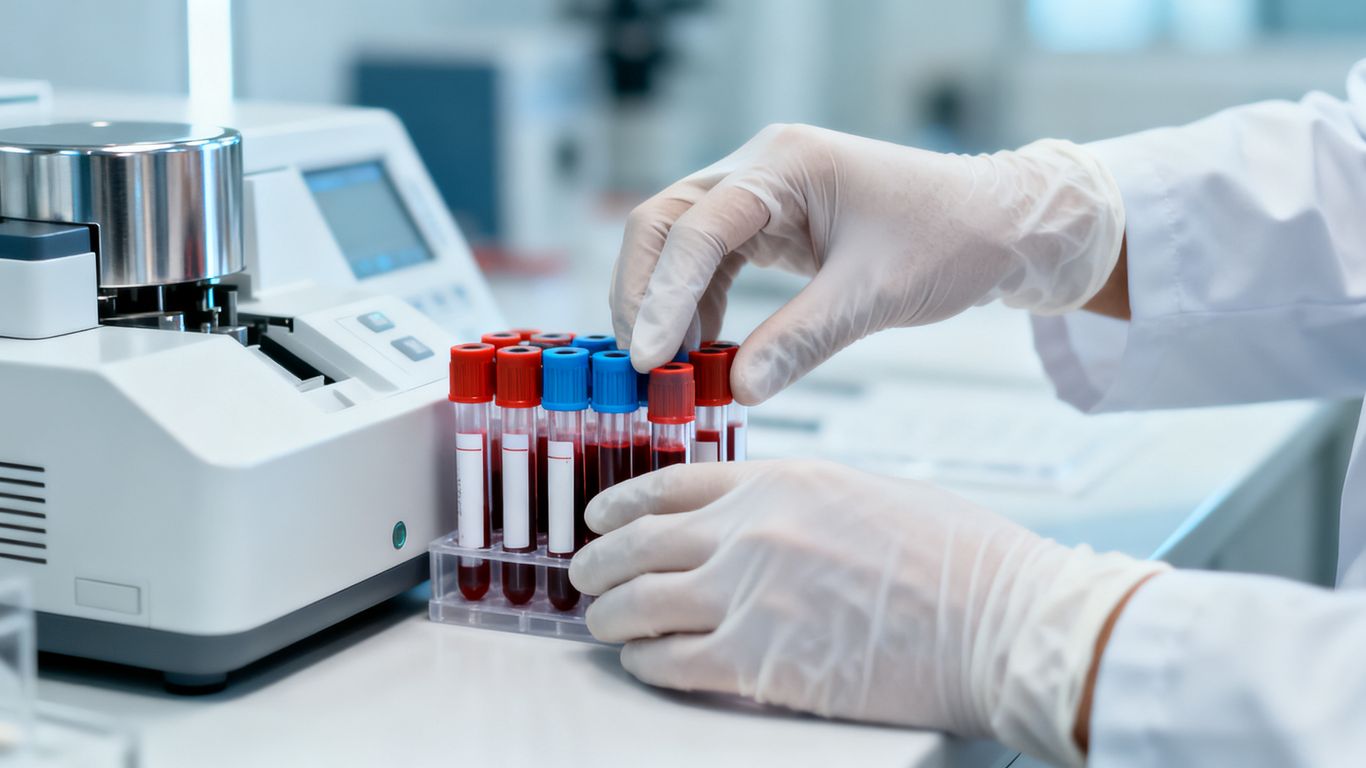
Diagnosis starts with the person’s history and physical findings. Blood testing then adds information about testosterone and related hormones. Doctors may repeat an unexpected result before ordering more complex studies.
Medical history and physical examination
A clinician may ask about cycle patterns, pregnancy plans, hair growth, acne, weight changes, and symptom timing. They may also review family history and prior hormone results.
The examination can assess blood pressure, body hair distribution, acne, scalp hair, and signs of virilization. These details provide context for laboratory results.
Total testosterone versus free testosterone testing
Total testosterone measures circulating testosterone overall. Free testosterone estimates the small portion not attached to binding proteins.
Either result can mislead when testing methods or binding proteins vary. Doctors choose and interpret tests according to the clinical question.
Additional hormone and metabolic tests
Further testing may examine adrenal hormones, thyroid function, prolactin, glucose, lipids, or pregnancy status. The selection depends on symptoms and medical history.
The following table shows how common findings may shape the next step:
| Finding | Possible relevance | Typical next consideration |
|---|---|---|
| Irregular periods | Ovulation or endocrine disruption | Review cycle history and reproductive goals |
| Excess facial hair | Androgen effect or follicle sensitivity | Assess severity and androgen testing |
| Markedly elevated testosterone | Ovarian or adrenal source | Repeat testing and consider imaging |
| Elevated glucose or lipids | Metabolic risk | Discuss monitoring and lifestyle support |
These patterns guide questions rather than provide a diagnosis. A clinician must interpret results using the laboratory’s method and reference range.
When pelvic or adrenal imaging may be recommended
Imaging may help locate an ovarian or adrenal source when hormone levels look substantially elevated. Rapid virilization can also support imaging consideration.
The choice may include pelvic imaging or adrenal evaluation. Doctors balance the result, symptoms, examination, and other hormone findings before ordering scans.
Why laboratory reference ranges matter
Laboratories use different assays and reference ranges. A result flagged high in one setting may not translate directly to another.
Ask which test the laboratory used and whether repeat testing makes sense. Clinical context matters most when results and symptoms do not align.
High testosterone, fertility, and long-term health
Elevated androgens can influence ovulation and metabolic health. They may also affect confidence, sleep, and daily comfort. These effects vary widely between individuals.
How elevated androgens can affect ovulation
Androgen excess may disrupt the hormonal signals that coordinate ovulation. Irregular ovulation can make fertile timing difficult to predict.
Some women continue to ovulate despite elevated androgens. Treatment therefore depends on cycle patterns, testing, and pregnancy plans.
Possible links with infertility and pregnancy planning
Conditions associated with high testosterone can reduce ovulation frequency. The fertility effects of hyperandrogenism may improve when clinicians address the underlying condition.
Anyone planning pregnancy should discuss medicines before trying to conceive. Some acne and antiandrogen treatments require adjustment or discontinuation.
Insulin resistance and cardiometabolic risk
PCOS and androgen excess can occur alongside insulin resistance, abnormal cholesterol, or elevated blood pressure. These risks do not affect every woman with high testosterone.
Clinicians may monitor glucose, lipids, blood pressure, and weight. Early attention supports health beyond symptom control.
Sleep, mental health, and quality-of-life considerations
Visible hair growth, acne, hair loss, and unpredictable periods can affect self-esteem. Sleep disruption and mood symptoms may add further strain.
Mental health support belongs in the care plan when symptoms interfere with daily life. During perimenopause, some people also explore perimenopause wellness approaches, including stress reduction and lifestyle changes.
Treatment options for high testosterone
Treatment should match the cause, symptoms, health history, and reproductive plans. Some people need medication, while others benefit from monitoring and targeted symptom care. Shared decisions help keep treatment practical and safe.
Addressing the underlying medical cause
Doctors may treat PCOS, adrenal disorders, medication effects, or another identified condition. The plan depends on test results and the person’s priorities.
Treating the cause may improve periods, hair changes, acne, or metabolic findings. Improvement often takes time because hair and skin cycles change gradually.
Lifestyle strategies and weight-management support
Regular movement, balanced nutrition, adequate sleep, and stress support can improve overall metabolic health. Weight-management care should remain respectful and individualized.
Lifestyle changes do not replace evaluation for markedly elevated hormones. They work best alongside care tailored to the person’s needs.
Hormonal birth control and antiandrogen medications
Hormonal birth control may regulate bleeding and reduce ovarian androgen activity for some patients. Antiandrogen medicines may help certain hair or skin symptoms.
These medicines require a clinician’s review of pregnancy risk, blood pressure, liver health, and drug interactions. Never start or stop them without medical guidance.
Treatments for acne, excess hair, and hair loss
Topical acne medicines, dermatology treatments, hair removal, and scalp therapies can reduce visible symptoms. Results usually require consistent use over several months.
Persistent or distressing symptoms deserve treatment even when hormone tests appear normal. Skin and hair care can proceed alongside endocrine evaluation.
Fertility-focused treatment plans
People seeking pregnancy may need a plan that restores or supports ovulation. Clinicians choose options based on cycle history, test results, age, and other fertility factors.
The high testosterone treatment guide also discusses medication and lifestyle approaches in general terms. A fertility plan differs from treatment intended to prevent pregnancy.
When to seek medical evaluation
A routine appointment can clarify persistent changes and reduce uncertainty. Bring a symptom timeline, medication list, and relevant test reports. Earlier evaluation helps when symptoms continue or affect daily life.
Symptoms that warrant a routine appointment
Schedule an appointment for persistent irregular periods, new facial hair, acne, scalp thinning, or unexplained metabolic changes. Mention symptoms that began after a medication or supplement.
A primary care clinician, gynecologist, endocrinologist, or dermatologist may help. The right starting point depends on the most troubling symptoms.
Sudden or rapidly progressing changes
Rapid facial hair growth, deepening voice, sudden scalp hair loss, or increased muscle bulk needs prompt evaluation. Speed can provide important diagnostic information.
Do not wait months for symptoms to settle on their own. Contact a healthcare professional soon, especially when several changes occur together.
Signs that may require urgent assessment
Severe abdominal pain, fainting, heavy bleeding, chest pain, or severe shortness of breath requires urgent care. These symptoms may have causes unrelated to testosterone.
Seek emergency help for severe or rapidly worsening symptoms. Do not assume every new symptom reflects a hormone imbalance.
Questions to ask a healthcare professional
Clear questions can make an appointment more productive. Consider asking:
- Which testosterone test did I receive?
- Should we repeat the test under different conditions?
- What other causes fit my symptoms?
- Could treatment affect fertility or pregnancy?
Write down the answers and planned follow-up. Understanding the next step can make testing feel less overwhelming.
Why self-treating with hormone supplements can be risky
Hormone supplements and anabolic steroids can alter laboratory results, periods, mood, skin, hair, and fertility. Products may also interact with medicines or contain uncertain ingredients.
The testosterone therapy safety guide explains why medical evaluation and ongoing monitoring matter. Do not use testosterone or hormone-blocking products without qualified supervision.
Conclusion
Women with high testosterone levels need an explanation, not a quick assumption. Careful history, appropriate testing, and treatment matched to personal goals can address symptoms while protecting fertility and long-term health.
Frequently Asked Questions
What is considered high testosterone in women?
The answer depends on the laboratory method, reference range, age, and clinical context. Doctors may repeat testing when results seem unexpected.
What is the most common cause of high testosterone?
Polycystic ovary syndrome often causes androgen excess, but adrenal conditions, medicines, supplements, and rare tumors can also contribute.
Can high testosterone cause irregular periods?
Yes. Androgen excess can interfere with ovulation, which may make periods irregular, infrequent, or absent.
Does high testosterone always cause symptoms?
No. Some people have elevated results without obvious physical changes, while others have symptoms despite results within a reference range.
Can high testosterone affect fertility?
It can reduce regular ovulation in some people. Treating the underlying cause may improve cycle predictability and reproductive planning.
When should someone seek urgent care?
Seek urgent assessment for severe pain, fainting, heavy bleeding, chest pain, breathing difficulty, or rapidly worsening virilizing changes.
Should hormone supplements be used for high testosterone?
No supplement should replace medical evaluation. Hormone products can alter symptoms, test results, fertility, and medication safety.