








Key Takeaways
This article reviews the current evidence regarding substances marketed as oral performance enhancers. These compounds carry significant regulatory and health risks.
- SARMs do not carry FDA approval for human use.
- These compounds often create HPTA suppression in users.
- Marketed tablets frequently contain unlisted or toxic ingredients.
- Regulatory bodies prohibit these substances in professional sports.
- Consumers should consult healthcare providers before starting any supplements.
Understanding the chemical nature of sarms tabs
These substances act as selective androgen receptor modulators within tissues. Researchers designed them to target specific receptors in muscles and bones. This approach potentially minimizes systemic exposure during clinical trials.
Mechanism of action in androgen receptors
These molecules bind directly to specific androgen receptors in muscle cells. This action increases protein synthesis rates and muscle mass growth. The selectivity aims to avoid the wider impacts on other organ systems.
Comparison between sarms and traditional anabolic steroids
Traditional steroids affect receptors across the entire human body. Conversely, these compounds show more tissue-specific binding characteristics in laboratory settings. However, clinical evidence for this safety shift remains limited and often contested.
Common chemical compounds formulated into tablet form
Manufacturers often compress synthetic substances like Ostarine or LGD-4033 into pill formats. Researchers often study Ostarine (MK-2866) in laboratory settings to observe its effects on muscle wasting. You might also encounter RAD-140 or Ligandrol in various online retail spaces. These chemical structures prioritize oral bioavailability, allowing for quick absorption into your system.
Performance claims and physiological outcomes

Marketing often highlights rapid changes in body composition for weightlifters. Proponents suggest these tabs assist with lean mass gains and recovery speed. Most clinical evidence, however, comes from studies on muscle-wasting diseases, not athletic enhancement.
Potential for muscle protein synthesis and hypertrophy
Activation of androgen receptors drives the cellular machinery for building muscle. Protein synthesis rates increase, which may support faster tissue regrowth after heavy stress. This rapid muscle mass gain remains a core claim for many users, although data is purely preliminary.
Efficacy in strength and lean mass development
Users often report better power output and improved muscular definition over short periods. However, the strength gains often plateau once the body adapts or hits natural chemical limits. Clinical trials generally focus on pathological outcomes rather than the pursuit of elite physical aesthetics.
Observed applications in current clinical research
Scientists test these molecules for treating conditions like osteoporosis or cachexia. They seek to improve bone density without the harsh side effects of traditional hormone therapies. You can view the following list for common observed effects in research:
- Increased bone mineral density in aging populations.
- Improved grip strength during early clinical assessments.
- Higher nitrogen retention in muscle tissue observed in trials.
- Lower metabolic decay rates in study participants.
Researchers continue to evaluate if these outcomes remain consistent across broader demographics.
Safety profile and potential health risks

These compounds are not regulated as standardized drugs for public safety. Many Selective Androgen Receptor Modulators carry risks that may outweigh any perceived performance benefits. Experts warn against their use due to unknown long-term consequences for human physiology.
Impact on HPTA suppression and natural hormonal balance
These substances trick the body into thinking it has excessive natural testosterone production. This process suppresses the normal function of the HPTA axis, leading to hormonal imbalances. Users often experience fatigue or mood changes when cycle usage stops abruptly.
Liver metabolism and oral toxicity concerns
Oral ingestion forces liver enzymes to process these synthetic compounds immediately. This metabolic pathway can increase strain on hepatic function over sustained periods of time. The FDA warning highlights reports of serious liver injury in consumers using these unapproved products.
Cardiovascular implications and cholesterol profile changes
Synthetic androgens often disrupt the healthy lipid balance in your bloodstream. Physicians often observe lower HDL levels and increased cardiovascular risks in reported cases. The following table identifies potential markers for health monitoring:
| Health Marker | Typical Impact | Clinical Concern |
|---|---|---|
| LDL Cholesterol | Potential Increase | Cardiovascular risk |
| HDL Cholesterol | Potential Decrease | Lipid profile disruption |
| Liver Enzymes | Elevated Levels | Acute toxicity risk |
These markers require monitoring to avoid long-term damage to the cardiac and hepatic systems.
Regulatory status and legal landscape

Laws around these substances remain strict in most developed nations. The FDA classifies them as unapproved drugs with significant hidden dangers. Misleading marketing often tries to hide these legal realities from unsuspecting consumers.
FDA guidelines concerning unapproved substances
Regulatory agencies explicitly prohibit the marketing of these compounds as dietary supplements. Products sold to consumers lack any guarantee of purity or clinical efficacy. Organizations like CrazyBulk provide natural, safe alternatives that avoid these unapproved substances entirely.
WADA regulations and professional anti-doping policies
Major anti-doping agencies treat the use of these substances as a major violation. Athletes face strict bans if tests show trace elements of these compounds. The professional world rejects them to maintain fair play standards.
The legal complexities of manufacturing and distribution
Distributing these drugs under the guise of research chemicals creates a grey market. This organizational structure often lacks the oversight needed to maintain safety and accountability in production environments. Sellers often hide behind disclaimers like "not for human consumption" to avoid legal liability.
Quality control and market authenticity
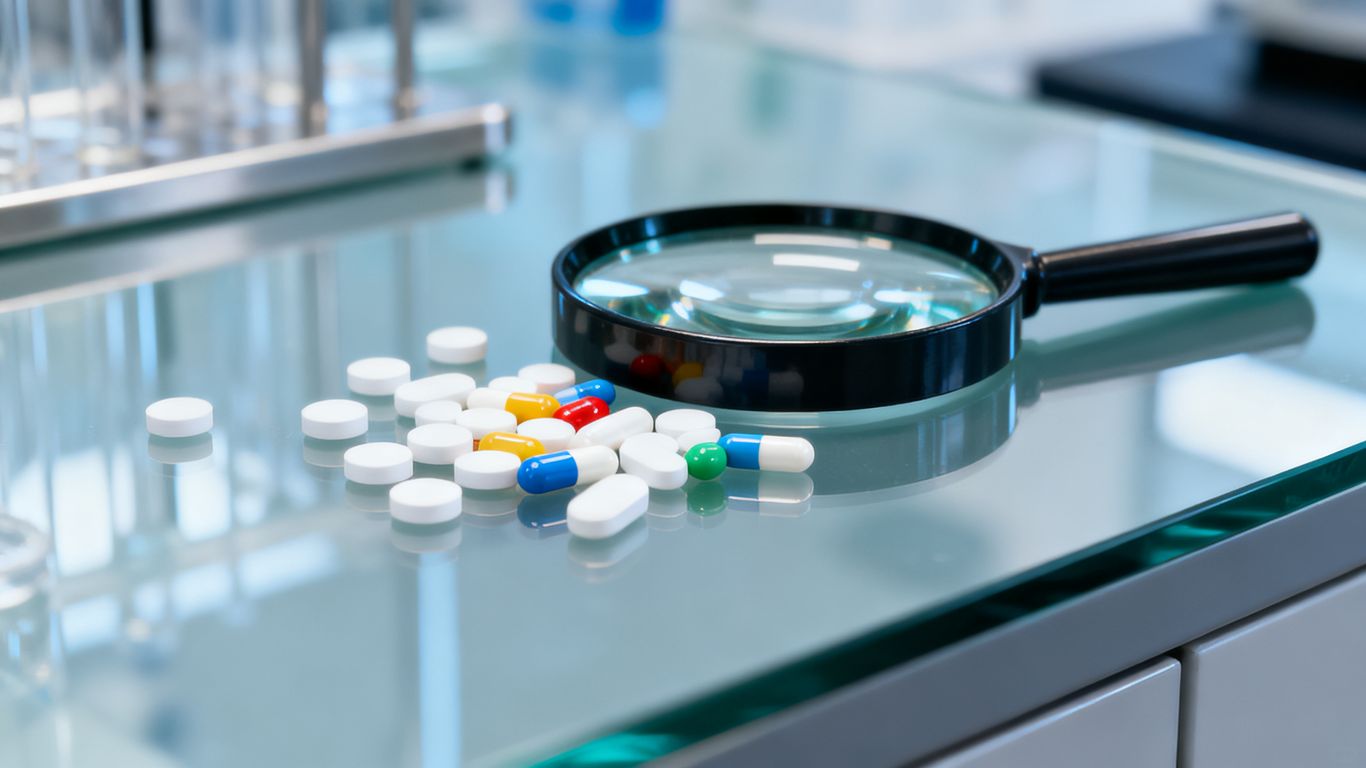
Consumers should be highly skeptical of products sold through unregulated digital channels. Many vendors mislabel contents or fail to list dangerous impurities in the final product. Reliable chemical composition studies often reveal that what is on the label rarely matches the bottle’s contents.
The reality of label accuracy in unregulated markets
Independent testers frequently find that tablets lack the advertised dose of active compounds. Other tests show the presence of prohibited stimulants or heavy metals. You are essentially gambling with your health when purchasing these items online.
Risks associated with counterfeit and contaminated products
Counterfeit products often contain fillers that present unknown interactions within the body. These contaminants may trigger allergic reactions or worse medical emergencies than the substances themselves. Always avoid products that come from unknown, non-transparent manufacturing sources.
Evaluating third-party testing and manufacturer transparency
Reputable brands offer certificates of analysis from independent laboratories for every batch produced. Always verify these documents before making any purchasing decisions. If a seller refuses to show testing evidence, consider that a major warning sign.
Conclusion
While the promise of rapid gains creates significant interest, the medical reality suggests that the risks of using unregulated oral tablets are simply too high. True physical development depends on consistent training, proper nutrition, and recovery, rather than relying on unproven chemical compounds that bypass health regulations.
Frequently Asked Questions
Are sarms tabs considered safe for long-term use?
Medical experts do not consider these substances safe for long-term use due to the high risk of organ injury and hormonal disruption.
Can users find these products in local stores?
Most mainstream retail stores do not carry these substances because they lack regulatory approval as safe dietary supplements.
Do these compounds require a prescription?
These substances are not FDA-approved drugs; therefore, no physician can legally prescribe them for performance or muscle enhancement purposes.
Why do some athletes prefer tablets over injections?
Many users prefer the convenience of oral tablets despite the higher burden they place on liver metabolism compared to other administration routes.
Will these substances be detected in routine drug tests?
Professional sports organizations and anti-doping agencies utilize sensitive testing methods that easily identify the specific metabolites these compounds leave in the body.
How does the body recover after stopping these substances?
Natural hormonal recovery depends on the duration and intensity of use, often requiring medical intervention to restore the HPTA axis to its normal baseline.
Is it possible to find high-quality products online?
The highly decentralized nature of the underground market makes it difficult to guarantee quality, as even reputable-looking vendors rarely maintain strict pharmaceutical standards.