








Looking for the best SARMs supplier USA in 2026? It’s not always easy to figure out who to trust when buying these research chemicals online. A lot of places pop up, but not all of them are on the level. We’ve put together this guide to help you sort through the options and find a supplier that’s legit, offers good quality, and is safe to deal with. We’ll cover what to look for, what to avoid, and highlight some of the top names out there so you can make a smart choice for your research needs.
Key Takeaways
- Always check if a SARMs supplier provides detailed product descriptions and Certificates of Analysis (COAs) that have been verified by third-party labs.
- Be wary of suppliers making exaggerated claims or not being clear about FDA status; SARMs are for research, not supplements.
- Look for suppliers with a solid reputation, positive customer reviews, and responsive customer service to gauge their reliability.
- Compare pricing but avoid suspiciously low prices, as this often means lower quality or hidden ingredients.
- Prioritize suppliers who are transparent about their sourcing, offer secure payment options, and have clear, reliable shipping policies.
Identifying Reputable SARMs Suppliers in the USA
Understanding the Importance of Vendor Legitimacy
Buying SARMs for research can feel tricky. It’s easy to get fooled into buying bad products online. Quality really matters. Unfortunately, it’s not always guaranteed. Suppliers sell these research chemicals in different forms. A recent report showed quality issues in the market. Almost half of products sold as SARMs didn’t actually contain any.
Key Indicators of a Trustworthy SARMs Provider
When looking for a good supplier, check a few things. First, see if they have good reviews. What do other researchers say? Look for companies that share detailed product information. This includes purity levels and testing results. A truly trustworthy provider will be open about their products. They should also have clear contact information and a professional website.
Here are some signs of a good supplier:
- Third-party lab testing reports available.
- Clear product descriptions and ingredient lists.
- Responsive customer service.
- Secure payment and shipping options.
Avoiding Common Pitfalls in Online Purchases
One big problem is fake SARMs. Studies found many products had no SARMs at all. Some even contained banned substances. Others had ingredients not listed on the label. This means suppliers might not be honest about what’s inside. Always be wary of prices that seem too good to be true. These could be signs of low quality or fake products. It’s best to stick with known brands for muscle growth and research.
Be careful when buying SARMs online. Not everything is as it seems. Always do your homework before you buy.
Evaluating Product Quality and Purity Standards
The Role of Detailed Product Descriptions
Suppliers should give you a lot of information. Look for clear details about each product. This includes its chemical name and concentration. A good description helps you know exactly what you are buying. It shows the company is honest about its products.
Understanding Certificates of Analysis (COAs)
Certificates of Analysis, or COAs, are important. They show the results of lab tests on the product. A COA confirms the purity and identity of the compound. Reputable suppliers make these available. They should be easy to find on the company’s website. Always check the date on the COA. It should be recent for the specific batch you are buying.
Third-Party Laboratory Testing Verification
Independent lab testing is key. It proves the product is what the seller claims. Look for suppliers who use third-party labs. These labs are unbiased. They check for purity and any unwanted substances. Some companies even let you call the lab to confirm the results. This adds another layer of trust. You want to know your research chemicals are pure. This is vital for reliable results. Check purity standards for confidence.
Always verify that the COA matches the product batch. An old or mismatched COA is a red flag. It suggests the supplier might be hiding something. Trustworthy companies provide up-to-date documentation for every item.
Prioritizing Safety and Transparency in Sourcing
When you’re looking for SARMs, safety and knowing where they come from are super important. You want to be sure you’re getting what you think you’re getting. This means checking out the supplier’s practices closely. It’s not just about the product itself, but how it’s made and presented to you.
Recognizing Banned or Unlisted Ingredients
Some suppliers might include ingredients that aren’t listed on the label. This is a big red flag. These hidden ingredients could be harmful or banned in sports. Always look for suppliers who are upfront about everything in their products. You have a right to know exactly what you are researching with.
The Significance of Clear Sourcing Information
Suppliers should tell you where they get their raw materials. They should also explain their manufacturing process. This transparency builds trust. If a company hides this information, it’s a sign they might have something to hide. Look for details about their production standards. This helps you make a better choice for your research needs.
Adhering to FDA Status and Regulations
It’s important to remember that SARMs are not approved for human use by the FDA. They are intended for research purposes only. Suppliers should be clear about this. They should not make claims about human consumption. Be wary of any company that suggests their products are for anything other than research. The Dietary Supplement Listing Act of 2026 aims to bring more clarity to the supplement market, which is a good step.
Be skeptical of any supplier that doesn’t provide clear information. This includes details about their ingredients, sourcing, and testing. A lack of transparency often means a lack of quality or safety.
Here are some things to watch out for:
- No clear information about where ingredients come from.
- Vague descriptions of the manufacturing process.
- Claims that the product is for human use or consumption.
- Lack of readily available contact information for the company.
Choosing a supplier that is open about their practices is key. It protects you and the integrity of your research. This careful approach helps you avoid potential issues down the line. It also supports responsible research practices.
Assessing Supplier Reputation and Customer Feedback
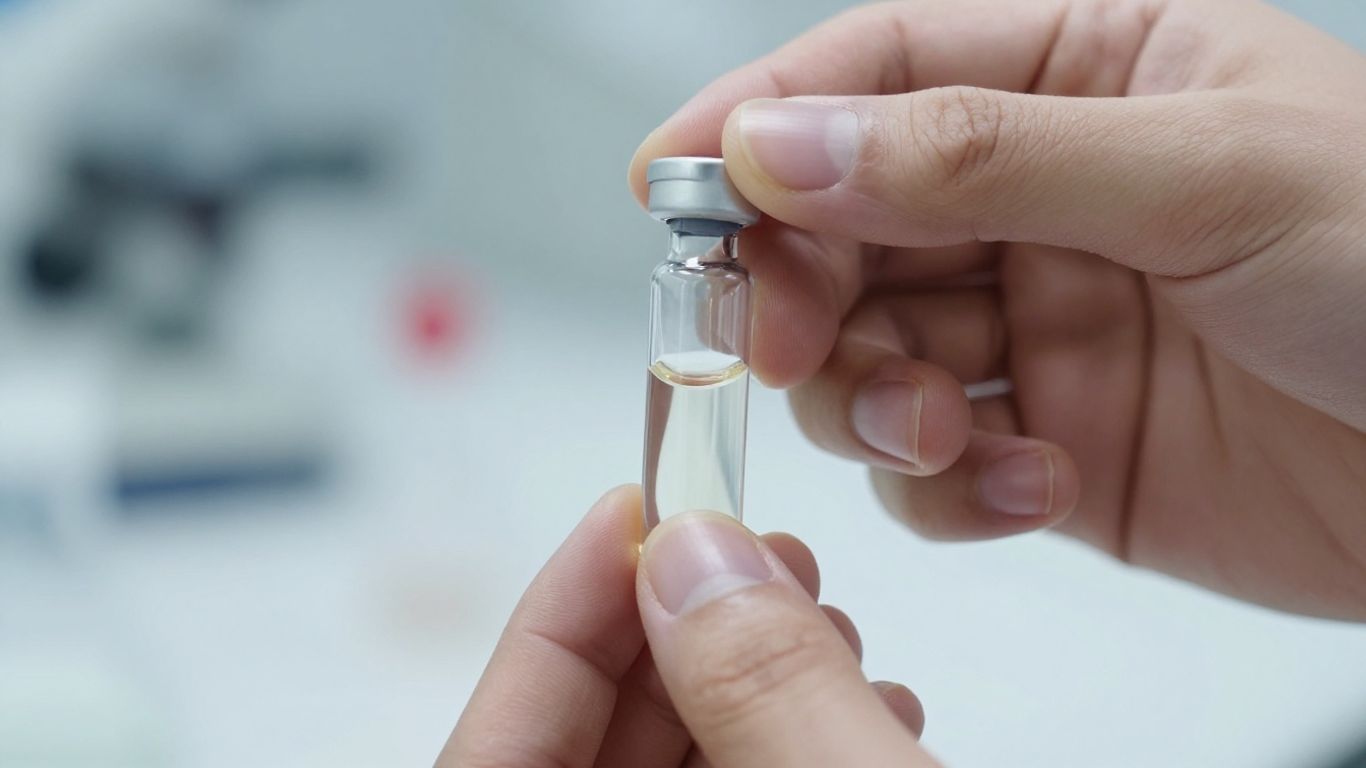
When you’re looking for SARMs, checking what other people say is a smart move. It helps you see if a company is honest and reliable. Think of it like asking friends for advice before buying something big. Good reviews often mean a good company. Bad reviews can be a warning sign.
Leveraging Industry Reviews and Testimonials
Online reviews and testimonials give you a peek into other customers’ experiences. Look for patterns in what people say. Are they happy with the product quality? Did they get their order on time? A consistent stream of positive feedback is a strong indicator of a trustworthy supplier. Some sites even have detailed reviews about specific products. You can find reviews on forums or dedicated review platforms.
Analyzing Customer Service Responsiveness
How a company handles questions and problems tells you a lot. Do they answer emails quickly? Are their answers helpful? Good customer service means they care about their clients. It’s a sign they stand behind their products. A company that ignores you probably isn’t one you want to deal with. You want a supplier that’s easy to talk to.
The Impact of a Professional Online Presence
A clean, well-organized website suggests a serious business. If a site looks thrown together, it might mean they aren’t committed. Look for clear product descriptions and easy navigation. A professional site shows they invest in their business. This often means they are more likely to be legitimate. It’s like a storefront; you want it to look good.
A company’s online presence and how they interact with customers are key indicators. They reflect the overall professionalism and dedication to quality. Pay attention to details like website design and response times. These factors build confidence in your choice of supplier.
Navigating Pricing and Discount Strategies

When looking for SARMs, price is a big factor. It’s easy to get excited about a low price. However, rock-bottom prices can signal that a vendor cut corners. This might mean lower purity or even fake ingredients. Always check what you’re getting for your money.
Interpreting Competitive Pricing Models
Suppliers set prices based on several things. These include product purity, research costs, and market demand. Companies that test their products often charge more. This reflects the investment in quality control. Look for prices that seem fair for the stated quality. Vendors like Sports Technology Labs offer competitive pricing. They also provide detailed product information to justify their costs.
Recognizing Suspiciously Low Prices
If a price seems too good to be true, it probably is. Very cheap SARMs might be diluted or contain unwanted substances. This can ruin your research. It’s better to pay a bit more for a reliable product. Some sites offer discounts, but always check the vendor’s reputation first. You can find deals on products, but don’t let it be the only factor. Save on research products if you find a good deal.
Evaluating Value Beyond the Initial Cost
Think about the total value, not just the price tag. A slightly more expensive product with guaranteed purity is often a better deal. Consider the cost per milligram or per dose. Also, look at the bottle size and concentration. Some companies offer bulk discounts. This can lower the cost per unit for larger purchases. Always factor in shipping costs and potential fees. A small discount might not be worth it if shipping is expensive. You can get a 15% discount on some SARMs with a promo code. Check for discounts before you buy.
Understanding Different SARMs Formulations
SARMs come in a few different forms. Researchers often choose based on convenience and how they plan to use the compounds. The most common types are liquids and powders. Each has its own set of pros and cons for research purposes.
Liquid vs. Powder SARMs: Pros and Cons
Liquid SARMs are popular for ease of use. They are usually pre-measured. This makes dosing simpler for experiments. You can often find them in dropper bottles. This allows for precise measurement. Liquid formulations can offer better bioavailability.
Powder SARMs require more preparation. You need to dissolve them in a solvent. This adds an extra step to your research protocol. However, powders might offer a longer shelf life. They can also be more cost-effective in bulk. Some researchers prefer powders for specific applications.
Here’s a quick look at the differences:
| Feature | Liquid SARMs | Powder SARMs |
|---|---|---|
| Ease of Use | High, pre-measured doses | Lower, requires dissolution |
| Dosing | Precise with droppers | Requires careful measurement |
| Shelf Life | Generally shorter | Potentially longer |
| Cost | Can be more expensive per research unit | Often more economical in larger quantities |
| Preparation | Minimal | Requires mixing with a solvent |
The Science Behind SARM-Inspired Alternatives
SARMs work by selectively targeting androgen receptors. This means they primarily affect muscle and bone tissue. This selectivity is a key difference from anabolic steroids. Steroids can affect many organs. This targeted action is what makes SARMs interesting for research. They aim for specific results without widespread side effects. This is a major area of scientific interest. Research SARMs labs often provide these compounds.
Choosing the Right Formulation for Research
Your choice depends on your research needs. For quick, easy dosing, liquids are often preferred. If you are conducting long-term studies or need to control costs, powders might be better. Always check the supplier’s information. They should detail the formulation and concentration. This helps you select the best option for your specific project. Advanced formulas are designed to support specific research outcomes.
Ensuring Secure Payment and Shipping Policies

When you buy SARMs, how you pay and how they get to you matters. A good supplier makes these parts easy and safe. They want you to feel good about your purchase from start to finish.
Evaluating Available Payment Options
Reputable companies offer several ways to pay. This includes common methods like credit cards and bank transfers. Some also accept cryptocurrencies. Look for suppliers who don’t charge extra fees for using a credit card. This shows they value your business. It’s also a sign of a well-established business.
The Importance of Reliable Shipping Guarantees
Shipping is a big deal for research compounds. You need to know your order will arrive safely. Suppliers should clearly state their shipping policies. They should guarantee products arrive intact. This means no leaks for liquids or damaged seals for powders. Some companies offer reshipment if an order gets lost.
Protecting Your Purchase During Transit
Discreet packaging is often a plus. It keeps your order private. Fast shipping within the USA is also a good sign. Companies like Sports Technology Labs focus on quick delivery. They also provide tracking so you know where your package is. This helps avoid any worries about your order.
A supplier’s commitment to secure payments and reliable shipping reflects their overall professionalism. It shows they care about customer satisfaction and product integrity. Always check these policies before you buy.
The Role of Scientific References and Data
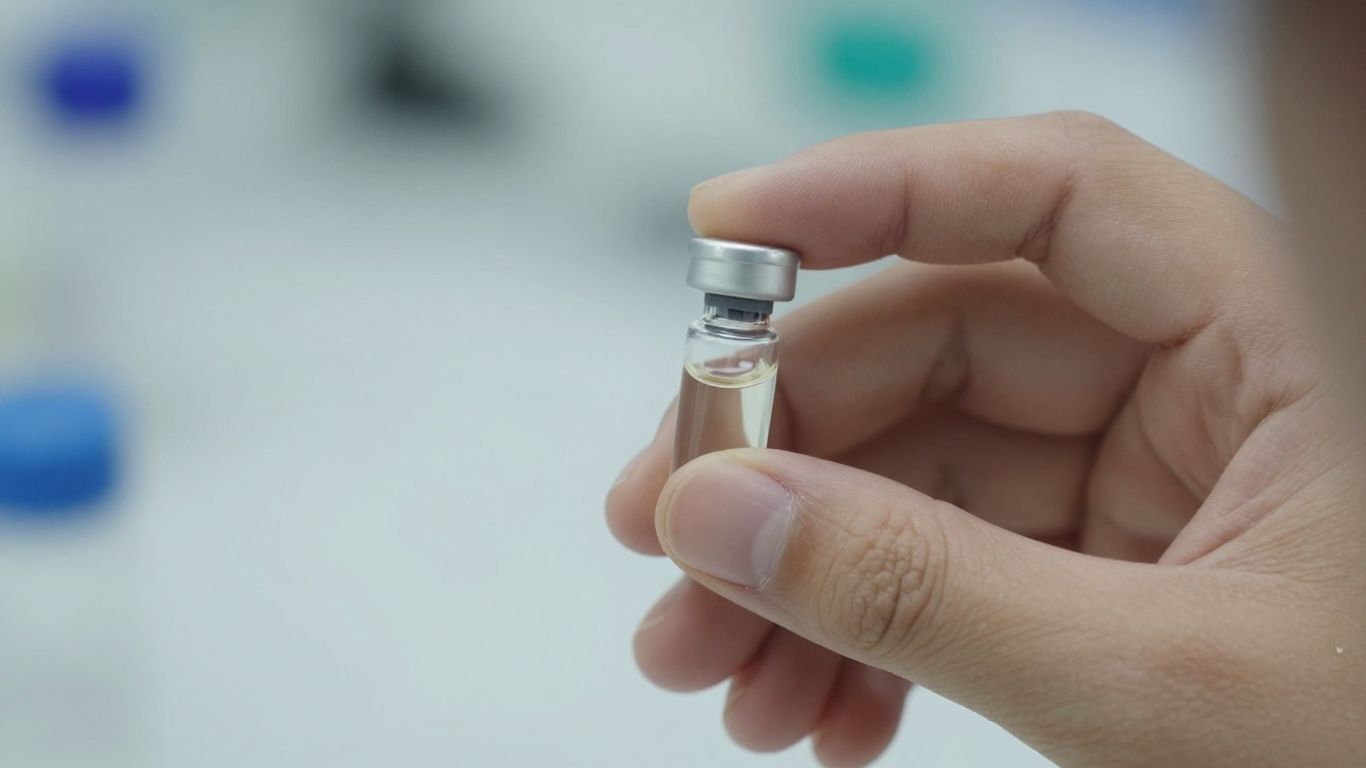
When you’re looking into SARMs, you’ll see a lot of scientific terms. It’s important to know what they mean. This helps you pick good products. It also keeps you safe.
Verifying Claims with Clinical Studies
Many companies make big claims about their products. They say SARMs can help with muscle growth or recovery. You should look for proof. See if they mention actual studies. These studies show how compounds work in the body. They can tell you about benefits and risks. Real scientific backing is key.
Understanding Compound Properties and Formulas
SARMs are chemicals. Each one has a specific formula. Knowing the formula helps confirm what’s in the bottle. It also tells you about the compound’s structure. This information is usually found in product descriptions. It’s good to see this detail. It shows the supplier knows their stuff. You can find more on selective androgen receptor modulators.
Accessing Scientific Literature for Informed Decisions
Sometimes, you need to dig deeper. You can look up scientific papers. These papers discuss SARMs and related topics. They often come from universities or research groups. This literature can explain how compounds affect the body. It can also highlight potential side effects. Reading these can help you make smart choices. It’s like doing your homework before buying. You can find research on steroid biology and sports medicine.
Spotlight on Leading SARMs Suppliers in the USA
Finding reliable sources for research chemicals is key. The SARMs market has seen changes. Some companies closed due to regulations. Others have stayed strong by being honest. We looked at a few top names for 2026.
Sports Technology Labs: A Comprehensive Review
Sports Technology Labs gets high marks. They offer many products. Purity is usually over 98%. Prices are competitive too. They provide Certificates of Analysis (COAs). This helps confirm product quality. They are a top choice for many researchers.
Chemyo: Purity and Product Volume Analysis
Chemyo is a well-known name. They focus on high purity, often over 99%. Their liquid SARMs come in larger volumes. This can be a good value. They also provide COAs for their products. You can find a wide range of compounds here. Swiss Chems is another supplier with a large catalog.
Amino Asylum: Budget-Conscious Research Options
Amino Asylum is good for those watching their budget. They offer research SARMs at lower prices. This might mean a bit more risk. However, they are still considered reputable. They are a solid option if cost is a major factor. You can find many trusted sites for SARMs.
Maintaining Product Integrity Post-Purchase
Once you receive your SARMs, keeping them in good condition is key. Proper storage helps maintain their potency and purity. This ensures your research results are accurate. Always check the supplier’s recommendations for storage.
Proper Storage Guidelines for SARMs
Storing SARMs correctly prevents degradation. Cool, dry conditions are best for most products. Refrigeration between 2-8°C is often recommended. Protect them from light and air. Use airtight containers to keep them fresh. This helps maintain the integrity of your research compounds.
Understanding Potential Degradation Factors
Several things can break down SARMs. Heat is a major culprit. Exposure to sunlight also causes damage. Moisture can lead to clumping or spoilage. Oxygen can oxidize the compounds. Be mindful of these factors during handling and storage.
The Importance of Regular Health Monitoring
If you are working with SARMs, monitoring your health is important. Keep track of any changes you notice. This helps you understand how the compounds affect you. It’s a good practice for anyone involved in research applications. Always consult a healthcare professional if you have concerns.
Wrapping Up Your Search for Quality SARMs
So, finding a good supplier for research chemicals like SARMs can feel like a bit of a maze, right? We’ve talked about why it’s so important to be careful, looking at things like product details, independent testing, and what actual studies say about what’s out there. Remember, not all that glitters is gold, and some companies unfortunately cut corners. We’ve pointed out some places that seem to be doing things right, like Sports Technology Labs, Chemyo, and Amino Asylum, based on their testing, product info, and customer feedback. Always do your own homework too, check those Certificates of Analysis, and make sure the company is upfront about what they’re selling. Getting the right stuff for your research means being smart about where you buy it.
Frequently Asked Questions
What exactly are SARMs and why are they used for research?
SARMs, or Selective Androgen Receptor Modulators, are special compounds. They’re like keys that fit into specific locks in your body called androgen receptors. Scientists use them in research because they can target these receptors in certain tissues, like muscles, without affecting other parts of the body as much as older substances. This makes them interesting for studying different health conditions.
How can I be sure a SARMs supplier is trustworthy?
Finding a good supplier is super important! Look for companies that are open about where they get their stuff and how they test it. They should have clear product descriptions and offer something called a Certificate of Analysis (COA). This is like a report card for the product, showing what’s really inside. If they don’t offer this, or if prices seem too good to be true, be careful!
What is a Certificate of Analysis (COA) and why does it matter?
A COA is a document from a lab that tells you exactly what’s in the product you’re buying. It confirms the purity and identity of the SARM. A good supplier will have these readily available, often online. It’s your proof that you’re getting what you paid for and not something else mixed in.
Are there fake or dangerous ingredients in SARMs I should watch out for?
Sadly, yes. Some studies have found that many products sold as SARMs don’t actually contain SARMs! Some even have banned substances or ingredients that aren’t listed on the label at all. This is why checking for COAs and buying from reputable sources is so critical. You want to know exactly what you’re researching with.
What’s the difference between liquid SARMs and powder SARMs?
SARMs can come in different forms. Liquid SARMs are usually pre-mixed with a carrier liquid, making them easy to measure and use. Powder SARMs are in a dry form and might need to be mixed by the researcher. Both have their pros and cons, and the best choice often depends on how you plan to use them for your research.
Why shouldn’t SARMs be sold as supplements or for human use?
SARMs are still considered investigational compounds, meaning they are not approved by the FDA for use as dietary supplements or treatments for any health conditions in people. They are intended strictly for research purposes. Selling them as supplements or for consumption could be misleading and potentially unsafe.
How should I store SARMs to keep them good?
To keep your SARMs from going bad, store them in a cool, dark, and dry place. Keep them away from direct sunlight and heat, as these can cause them to break down. Proper storage helps maintain their quality and effectiveness for your research.
What should I do if I have questions about a SARM product?
If you have questions, always reach out to the supplier’s customer service. Reputable companies will have knowledgeable staff ready to help. Also, checking the supplier’s website for an FAQ section or scientific references can provide a lot of useful information before you even need to ask.