

You’ve probably heard about DHEA and testosterone, maybe in relation to aging, energy levels, or even athletic performance. It’s a bit confusing because both are hormones your body makes, but their levels can change over time. People often wonder if taking supplements can help, but there’s a lot to consider. Let’s break down what these hormones do and what the science says about using supplements.
Key Takeaways
- DHEA is a hormone your body produces, and its levels naturally drop as you get older. Testosterone is another hormone, with its own distinct functions.
- While DHEA is a precursor to sex hormones like testosterone, they also have independent effects in the body.
- Many claims about DHEA supplements boosting energy, sex drive, or fighting aging aren’t strongly supported by research, and evidence is often mixed.
- DHEA supplements are not regulated by the FDA, meaning quality can vary, and there are potential risks and side effects, including hormonal imbalances and interactions with medications.
- It’s important to talk to a doctor before considering DHEA or testosterone supplements to understand individual needs, potential risks, and interactions with other health conditions or treatments.
Understanding Dehydroepiandrosterone (DHEA)
What is DHEA?
Dehydroepiandrosterone, or DHEA, is a hormone your body makes. Your adrenal glands, sitting atop your kidneys, are the main producers. Smaller amounts also show up in your ovaries, testes, and brain. DHEA acts as a building block. It helps your body create other important hormones, like estrogen and testosterone.
DHEA Production and Age-Related Decline
Your body produces the most DHEA when you’re in your 20s. After that, levels start to drop. This decline happens gradually over time. Many people notice lower DHEA levels as they get older. This decrease is sometimes linked to changes in mood, thinking, and overall energy.
DHEA as a Hormone Precursor
Think of DHEA as a starting material. Your body uses it to make other hormones. These include androgens (like testosterone) and estrogens. Because DHEA levels fall with age, some people hope that taking DHEA supplements can help keep hormone levels up. This is why it’s often discussed in relation to aging and hormone balance.
The Role of Testosterone in the Body
Testosterone Synthesis and Production
Testosterone is a primary androgen. It’s vital for male development. This includes reproductive tissues like the testicles. It also helps develop secondary sexual traits. In women, androgens like testosterone also play a role.
Androgens as Precursors to Testosterone
Other androgens can convert into testosterone. DHEA and androstenedione are examples. These are called prohormones. They are made in the adrenal glands and ovaries. Peripheral conversion also happens. This process creates active androgens. Testosterone can then convert further. It becomes dihydrotestosterone or estradiol.
Independent Effects of Androgens
Androgens do more than just convert to testosterone. They have their own effects. These effects are seen in various tissues. This includes reproductive tissues. Mood and bone health are also influenced. Muscles and skin can be affected too. These hormones impact overall well-being.
Potential Health Benefits of DHEA

DHEA is a hormone your body makes. Some people take DHEA supplements hoping for health benefits. These claims range from better athletic performance to anti-aging effects. However, the scientific evidence for many of these benefits is not strong.
Claims Versus Scientific Evidence
Many claims exist about what DHEA can do. Some studies suggest it might help with certain issues. Yet, other research shows no real effect. More studies are needed to confirm these potential benefits. It’s important to look at the evidence carefully before considering DHEA.
Impact on Mood and Energy Levels
There’s some early research suggesting DHEA might help with symptoms of depression. Some middle-aged people reported feeling better in small studies. However, DHEA is not a primary treatment for depression. The evidence is not yet high quality. It’s also unclear if it boosts energy levels for most people.
Effects on Skin Health
Some research indicates DHEA could improve skin health. It might help make aging skin look better. This is one area where DHEA shows some promise. However, more research is needed to fully understand its effects on skin rejuvenation.
DHEA and Its Influence on Sexual Function
Marketing Claims for Enhanced Libido
DHEA is often marketed as a way to boost sex drive. Many people experience a dip in libido as they age. This is partly due to natural hormone changes. Some believe DHEA supplements can help restore this lost desire. The idea is that DHEA can convert into sex hormones like testosterone. This conversion might then lead to increased sexual interest.
Mixed Research Findings on Sexual Health
Research on DHEA and sexual function shows mixed results. Some studies suggest minor improvements. These might include better sexual desire, arousal, or satisfaction. Other studies, however, found no significant effects. It’s hard to say for sure if DHEA helps everyone. More research is needed to understand its true impact. DHEA’s potential to influence libido is a complex topic.
Considerations for Hormonal Imbalances
When DHEA levels are low, it can affect sexual health. This is especially true for women with adrenal insufficiency. In these cases, DHEA supplementation might help. It can address symptoms like low libido. It’s important to get tested for hormonal imbalances. This helps determine if DHEA is the right approach. Consulting a doctor is key for proper diagnosis.
DHEA’s role in sexual function is not fully understood. While some people report benefits, scientific evidence is inconsistent. It’s not a guaranteed solution for everyone experiencing sexual health issues.
DHEA and Athletic Performance

Prohormone Properties and Muscle Strength
DHEA is a hormone your body makes. It acts as a precursor. This means your body can convert it into other hormones. These include testosterone and estrogen. Because of this, some people think DHEA can boost athletic performance. They believe it can help build muscle. However, the science doesn’t really back this up. Most studies show DHEA doesn’t significantly increase muscle strength. Some research found changes in body composition. But these changes didn’t translate to better performance.
Regulatory Bans in Sports Organizations
Many sports organizations have banned DHEA. This includes the NFL and MLB. The NCAA also prohibits its use. These bans are in place because DHEA is considered a performance-enhancing substance. It’s a prohormone. It can potentially increase levels of anabolic hormones. Athletes use it hoping for an edge. But its use is restricted to maintain fair competition.
Risks Associated with Pre-Steroid Enhancers
Using substances like DHEA carries risks. These are often called pre-steroid enhancers. They can have side effects. Higher doses mean greater risks. Some potential issues include mood swings. Aggressive behavior is also a concern. There’s also a risk of stunted growth. These effects can be serious.
The idea that DHEA can significantly boost athletic performance is largely unsupported by solid scientific evidence. While it’s a precursor hormone, its direct impact on muscle growth and strength in athletes is minimal. Furthermore, its status as a banned substance in major sports highlights concerns about fairness and safety.
Exploring DHEA for Anti-Aging Effects
DHEA Levels and the Aging Process
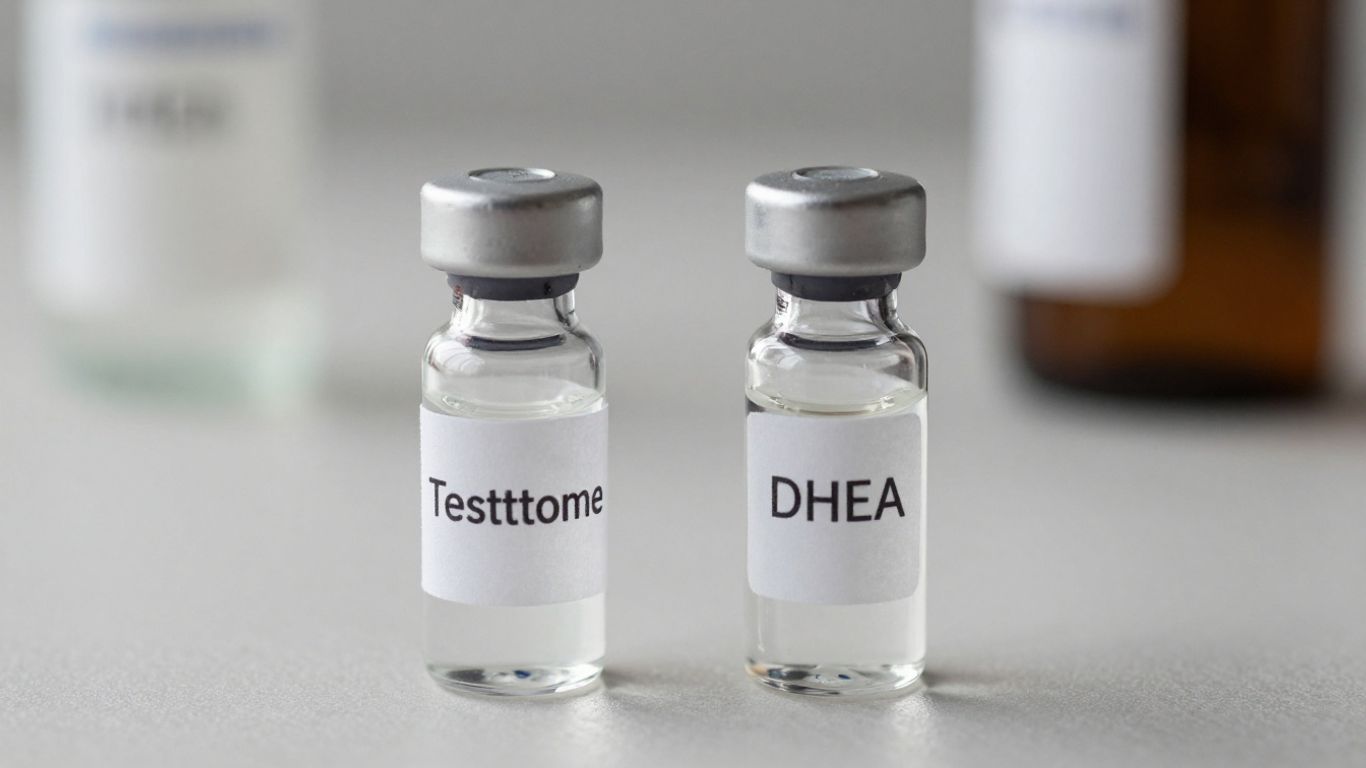
DHEA is a hormone your body makes. It’s produced by your adrenal glands. Levels of DHEA are highest when you’re young. They start to drop as you get older. This decline is a natural part of aging. Some people think taking DHEA supplements can help slow down aging. They hope it will reverse some age-related changes. However, research on this is not very clear.
Evidence for Skin Rejuvenation
Some small studies looked at DHEA for skin health. When taken by mouth or applied to the skin, DHEA seemed to help. It improved skin hydration. It also boosted collagen production. Skin thinning related to age might slow down. These effects are mostly seen in limited studies.
Limitations in Counteracting Age-Related Changes
Beyond skin benefits, the evidence for DHEA as an anti-aging solution is weak. Studies have not shown that DHEA helps with memory. It doesn’t seem to improve bone strength. Muscle strength gains are also unlikely. Physical performance in older adults doesn’t appear to improve either. More research is needed to confirm any anti-aging claims. It’s important to understand what DHEA can and cannot do for aging research.
Many people hope DHEA supplements can fight aging. They see the natural drop in DHEA levels with age. But the science doesn’t fully support these hopes. The effects are often small or not seen at all in larger studies.
When DHEA Supplementation May Be Considered
Adrenal Insufficiency and Persistent Symptoms
Doctors sometimes suggest DHEA supplements for women with adrenal insufficiency. This condition means the body doesn’t produce enough cortisol or aldosterone. If you still have symptoms like low energy or a lagging sex drive despite treatment, DHEA might help. It can support adrenal gland function. This is one of the few situations where DHEA supplementation has a clearer medical rationale.
Potential Benefits for Depression
Some early research hints that DHEA could help with depression symptoms. However, the evidence isn’t very strong yet. It’s not a go-to treatment for depression. More studies are needed to really understand its impact on mood. Don’t rely on it as your only treatment.
Menopause Symptom Management
There’s some proof that DHEA can help with vaginal dryness and thinning tissue after menopause. Prescription DHEA vaginal inserts might ease pain during sex. But DHEA hasn’t consistently helped with other menopause issues like hot flashes. Its benefits for these symptoms are still unclear.
It’s important to remember that DHEA is a hormone. Taking it can change your body’s hormone levels. Always talk to a doctor before starting any new supplement, especially one that affects hormones. They can help you weigh the potential benefits against the risks for your specific situation.
Risks and Side Effects of DHEA Use
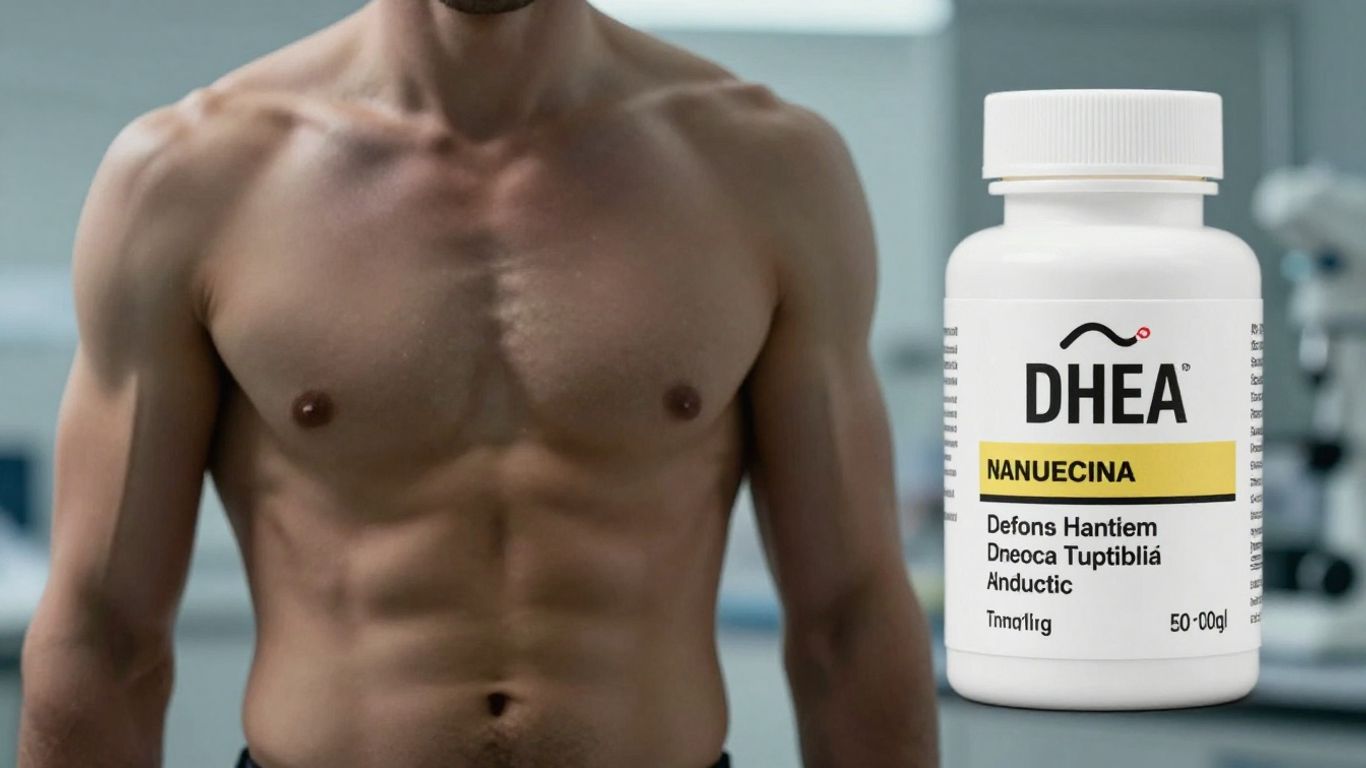
Common Side Effects and Their Manifestations
DHEA is generally considered safe for short-term use, up to two years. Doses around 50 mg daily are often studied. However, even at these levels, some people experience mild issues. These can include an upset stomach or changes in mood. Some users also report oily skin or acne breakouts.
Hormonal Imbalances and Associated Risks
Taking DHEA can affect your body’s hormone levels. For women, this might mean voice changes or unwanted facial hair. It could also lead to hair loss. Men might experience breast enlargement or reduced sperm production. These hormonal shifts can be concerning.
Potential Impact on Cholesterol Levels
There’s a possibility that DHEA can influence your cholesterol. It might lower your HDL, which is the "good" cholesterol. This could have implications for your heart health. People with existing heart conditions should be particularly cautious. It’s wise to discuss this with your doctor before starting DHEA.
Be aware that DHEA can interact with your body’s natural hormone balance. This is especially true with higher doses or longer use. It’s important to monitor for any unusual changes. Always consult a healthcare provider if you notice something concerning.
- Acne or oily skin
- Hair loss or unwanted hair growth
- Mood swings or irritability
- Changes in menstrual cycles for women
- Breast enlargement in men
Interactions with Medications
DHEA isn’t always compatible with other medications. It can interact with blood thinners and certain cancer treatments. Hormone therapies might also be affected. Always tell your doctor about all supplements you take. This helps them manage potential drug interactions. You can find more information on supplement interactions on this unbiased guide.
Concerns for Individuals with Diabetes or Heart Conditions
If you have diabetes, DHEA might affect your blood sugar control. Close monitoring is advised. For those with heart issues, DHEA could potentially lower good cholesterol. This might not be ideal for heart health. Discussing DHEA use with your doctor is a good idea if you have these conditions.
Serious Health Concerns with DHEA
Increased Risk of Hormone-Sensitive Cancers
DHEA can convert into other hormones, including estrogen and testosterone. This conversion can potentially fuel the growth of hormone-sensitive cancers. Conditions like breast, ovarian, and prostate cancers might worsen with DHEA use. Individuals with a history or increased risk of these cancers should avoid DHEA.
Interactions with Medications
Taking DHEA alongside certain medications can lead to unwanted effects. It might interfere with blood thinners, hormone replacement therapies, and some cancer treatments. Always inform your doctor about all supplements you take. This helps them manage potential drug interactions.
Concerns for Individuals with Diabetes or Heart Conditions
For those with diabetes, DHEA can affect blood sugar control. It may also impact cholesterol levels, potentially lowering good HDL cholesterol. This could be a concern for people with heart issues. Close monitoring is advised if you have these conditions and consider DHEA.
DHEA supplements are not regulated by the FDA. Their quality and actual content can vary significantly. This lack of oversight means you might not get what the label promises. It also raises questions about safety and purity. Always discuss DHEA use with a healthcare provider.
- Hormonal Imbalances: DHEA can disrupt natural hormone levels. Women might experience voice deepening or facial hair growth. Men could face issues like breast enlargement.
- Mood Changes: Some users report increased irritability or mood swings. This is particularly concerning for those with existing mood disorders.
- Skin Issues: Acne and oily skin are common side effects. Women may also notice unwanted hair growth on their face.
Safety and Regulation of DHEA Supplements
Lack of FDA Regulation for Supplements
DHEA supplements are not regulated by the FDA. This means the agency does not check them for safety or effectiveness before they go on the market. Product quality and content can vary widely. You might not get what the label says you are getting. It’s a good idea to be cautious with any supplement that isn’t FDA-approved.
Variability in Product Quality and Content
Because DHEA supplements aren’t strictly regulated, what’s inside the bottle can be a surprise. Some products might have more DHEA than listed. Others might have less. Some might even contain different ingredients altogether. This inconsistency makes it hard to know what you’re actually taking. It also makes it difficult to predict how it will affect your body.
Importance of Medical Supervision
Always talk to your doctor before starting DHEA supplements. They can help you understand the potential risks and benefits for your specific health situation. Your doctor can also monitor you for side effects. This is especially important if you have existing health conditions or take other medications. They can guide you on safe dosages and duration of use. Remember, DHEA can interact with other substances [bba1].
The lack of strict oversight means consumers rely heavily on manufacturers for accurate labeling and quality control. This places a significant burden on individuals to research brands and be aware of potential discrepancies. Consulting a healthcare provider is the most reliable step to ensure safety.
Consulting Healthcare Professionals About Testosterone and DHEA
Assessing Individual Health Needs
Thinking about DHEA or testosterone supplements? It’s smart to talk to a doctor first. They can check your hormone levels. This helps figure out if you actually need a supplement. Your body’s hormone balance is complex. A doctor can assess your specific health situation. They consider your age and any existing conditions. This helps determine if supplementation is appropriate for you.
Understanding Potential Drug Interactions
Supplements can interact with medicines. DHEA can affect how certain drugs work. It might make them less effective. It’s important to tell your doctor about all medications you take. This includes prescriptions and over-the-counter drugs. They can check for any dangerous interactions. This is vital for your safety and health.
Informed Decision-Making Regarding Supplementation
Doctors help you weigh the pros and cons. They can explain the potential benefits. They also discuss the risks and side effects. This information helps you make a good choice. You can decide if DHEA or testosterone supplements are right for you. Always follow medical advice for hormonal balance.
Supplements are not regulated like medicines. Their quality can vary a lot. A doctor’s guidance ensures you choose wisely. They can also help monitor your progress.
Wrapping Up: What to Remember About DHEA and Testosterone
So, we’ve talked about DHEA and testosterone, these hormones your body makes. They do important stuff, but levels can drop as we get older. People often look to supplements to bring those levels back up, hoping for more energy, better mood, or even to slow down aging. The thing is, the science isn’t always clear on whether these supplements really work for most of those claims. While some folks might see a benefit, especially for specific health issues, there’s a lot we still don’t know, particularly about long-term use. Plus, these supplements aren’t regulated like medicines, so quality can vary. If you’re even thinking about trying DHEA or testosterone supplements, the most important step is to chat with your doctor. They can help you figure out if it’s the right move for you, considering your own health and any other medications you’re taking. It’s always better to be safe and informed.
Frequently Asked Questions
What exactly is DHEA?
DHEA, which stands for dehydroepiandrosterone, is a hormone that your body naturally makes. Think of it like a building block that your body uses to create other important hormones, like testosterone and estrogen. Your body produces the most DHEA when you’re in your mid-20s, and the amount usually goes down as you get older.
Why do people take DHEA supplements?
Many people try DHEA supplements hoping to get a variety of benefits. Some common reasons include trying to feel more energetic, improving their mood, boosting their sex drive, or even slowing down some of the changes that happen as we age. There’s also interest in its potential effects on skin health and athletic performance.
Does DHEA actually help with anti-aging?
While DHEA levels drop as we age, the science on whether supplements can truly reverse aging effects is mixed. Some small studies suggest it might help with skin appearance, like making it more hydrated. However, there isn’t strong proof that DHEA supplements can significantly slow down the aging process or improve things like muscle strength or thinking skills in older adults.
Can DHEA improve athletic performance or build muscle?
Some athletes use DHEA because they think it can help them build muscle and perform better. This is because DHEA can turn into testosterone. However, there’s not much evidence to show that it actually makes you stronger. In fact, many sports organizations have banned its use because it’s considered a performance-enhancing substance.
What are the risks of taking DHEA supplements?
Taking DHEA supplements isn’t without risks. Common side effects can include oily skin, acne, hair loss, or unwanted hair growth in women. It can also cause stomach upset, mood changes, or affect cholesterol levels. For women, it might lead to a deeper voice. For men, it could potentially cause breast enlargement.
Are DHEA supplements safe for everyone?
No, DHEA supplements are not safe for everyone. Pregnant or breastfeeding women should avoid them. People with certain hormone-related conditions, like breast or prostate cancer, or those with liver problems or diabetes, should also be very cautious or avoid them altogether. It’s also important to know that the FDA doesn’t regulate these supplements like medicines, so quality can vary.
Can DHEA help with sexual health or mood?
Some people use DHEA hoping to increase their sex drive, and research has shown mixed results. While a few studies suggest minor improvements, others show no effect. Similarly, there’s some early research indicating DHEA might help with mild depression, but it’s not a guaranteed treatment, and more studies are needed.
When should I talk to a doctor about DHEA?
You should always talk to your doctor before considering DHEA supplements. This is especially important if you have any existing health conditions, are taking other medications, or are thinking about using it for serious concerns like depression or hormonal imbalances. Your doctor can help you understand the potential benefits, risks, and if it’s the right choice for you.