






So, you’re trying to figure out the deal with testosterone shots, specifically Testosterone Cypionate vs. Testosterone Enanthate. It’s a common question, especially if you’re looking into hormone replacement therapy or just curious about how these things work. They sound pretty similar, and honestly, they are in a lot of ways. Both are basically testosterone, just with a little something extra attached to make them last longer in your body. But there are some small differences that might matter to you, like how often you need a shot or how your body handles it. Let’s break it down without getting too technical.
Key Takeaways
- Testosterone Cypionate and Testosterone Enanthate are both injectable forms of testosterone used to treat low testosterone levels. They work by releasing testosterone slowly into the bloodstream.
- The main difference is the ‘ester’ attached to the testosterone molecule. Cypionate has a slightly longer ester than Enanthate, meaning it stays in the body a bit longer.
- Because of this, Testosterone Cypionate might allow for slightly less frequent injections compared to Enanthate, though often the dosing schedule is similar (e.g., once a week).
- Both are generally considered very similar in terms of how well they work for boosting testosterone levels, muscle mass, energy, and mood. Many doctors consider them interchangeable for most people.
- The best choice often comes down to personal preference, how your body responds (like any sensitivity to the carrier oil), availability, cost, and what your doctor recommends based on your individual needs.
Understanding Testosterone Esters
What Are Testosterone Esters?
Testosterone, the primary male sex hormone, is often modified for medical use. This modification involves attaching a molecule called an ester. Think of it like adding a tail to the testosterone molecule. This tail affects how the body uses the hormone. The ester chain influences how long the testosterone stays active in your system.
Different esters have different lengths. A longer ester chain means the testosterone releases more slowly. This slow release is key to how these medications work. It helps maintain more stable hormone levels over time. This is important for treatments like testosterone replacement therapy [f667].
The Role of Esters in Hormone Delivery
Esters are crucial for how injectable testosterone is delivered. When you inject testosterone with an ester, it forms a depot in the muscle. The ester chain then slowly breaks down. This process gradually releases testosterone into your bloodstream. The rate of breakdown depends on the specific ester attached.
This controlled release is why testosterone injections are long-acting. It means you don’t need to inject every day. The ester essentially acts as a time-release mechanism. This makes managing hormone levels much more convenient for patients.
Here’s a quick look at how esters affect release:
- Short Ester: Faster release, shorter duration. Requires more frequent injections.
- Medium Ester: Balanced release and duration. Common for many therapies.
- Long Ester: Slower release, longer duration. Allows for less frequent injections.
The choice of ester impacts injection frequency and blood level stability. Understanding this helps in selecting the right treatment plan.
Testosterone Enanthate: An Overview
What Are Testosterone Esters?
Testosterone esters are modified forms of the testosterone hormone. A specific ester chain attaches to the testosterone molecule. This attachment changes how the body absorbs and uses the hormone. It affects how long the testosterone stays active in your system. Different esters have different release rates. This is a key factor in how often you need to inject.
The Role of Esters in Hormone Delivery
Esters act like a slow-release mechanism for testosterone. When injected, the ester bond breaks down over time. This gradual breakdown releases free testosterone into the bloodstream. The length of the ester chain determines the speed of this release. Longer chains mean slower release and a longer duration of action. This controlled release helps maintain more stable hormone levels. It avoids the sharp spikes and drops seen with unesterified hormones.
Chemical Composition and Release
Testosterone Enanthate is testosterone linked to the enanthate ester. This ester is relatively long. It makes the compound oil-soluble. After an intramuscular injection, it forms a depot in the muscle tissue. From this depot, testosterone is slowly released into circulation. The enanthate ester has a half-life of about 8 to 10 days. This means it takes that long for half of the drug to be eliminated from the body. This slow release is a primary characteristic of Testosterone Enanthate.
Therapeutic Applications
Testosterone Enanthate is a common choice for testosterone replacement therapy (TRT). Doctors prescribe it for men with hypogonadism. This condition means the body doesn’t produce enough testosterone. It helps restore testosterone levels to a normal range. This can alleviate symptoms like fatigue, low libido, and mood issues. It is also used in hormone therapy for transgender individuals. Some athletes use it for performance enhancement, though this is often outside of medical guidelines.
Common Carrier Oils
Injectable testosterone esters are typically dissolved in an oil. This oil acts as the carrier. Common oils include cottonseed oil and sesame oil. These oils help suspend the testosterone ester. They also aid in the slow absorption from the injection site. The choice of carrier oil can sometimes affect injection site comfort. Some individuals might have sensitivities to specific oils. The oil base is crucial for the ester’s stability and release profile. It helps create that slow-release depot in the muscle.
Testosterone Cypionate: An Overview
Chemical Composition and Release
Testosterone cypionate is a synthetic form of the male hormone testosterone. It has a longer ester chain attached to the testosterone molecule. This longer chain means it dissolves more slowly in the body. This slower release is its defining characteristic. It’s typically mixed with an oil, like cottonseed oil, for injection.
Therapeutic Applications
Doctors often prescribe testosterone cypionate for hormone replacement therapy. This is for men with low testosterone levels, a condition called hypogonadism. It helps bring testosterone back to normal levels. This can improve energy, mood, and sex drive. It’s also used to help build muscle and bone density.
Common Carrier Oils
Testosterone cypionate injections use oil as a base. This helps the hormone absorb slowly. Common oils include cottonseed oil and benzyl benzoate. The choice of oil can sometimes affect how the injection feels. Some people might notice a difference in comfort based on the carrier oil used.
Pharmacokinetic Differences: Half-Life and Absorption

Half-Life Comparison
The ester attached to testosterone affects how long it stays in your body. Cypionate has a slightly longer ester chain than enanthate. This means cypionate generally has a longer half-life.
Testosterone cypionate’s half-life is around 8 to 12 days, while testosterone enanthate’s is about 7 to 10 days. This difference is small but can influence injection schedules. A longer half-life means the drug is eliminated from the body more slowly. This can lead to more stable hormone levels over time.
Absorption Rates
Both testosterone cypionate and enanthate are given as intramuscular injections. They are absorbed slowly from the injection site. The longer ester chains help create a depot effect. This allows for a gradual release of testosterone into the bloodstream.
While the half-lives differ slightly, the absorption rates are quite similar in practice. Both are designed for slow release. This helps maintain more consistent testosterone levels compared to faster-acting forms. The carrier oil can also play a minor role in absorption speed.
Impact on Injection Frequency
Because of their long-acting nature, neither cypionate nor enanthate requires daily injections. For therapeutic use, injections are typically given every one to two weeks. Some people prefer weekly injections for optimal results.
Given the small difference in half-life, the choice between them often doesn’t drastically change how often you need to inject. Many doctors consider them interchangeable for this reason. However, some individuals might find one ester provides slightly more stable levels for their personal needs. This can affect their preferred injection schedule. It’s important to discuss this with your healthcare provider. They can help you find the best injection frequency for your situation.
Clinical Applications and Efficacy
Testosterone Replacement Therapy
Both testosterone cypionate and enanthate are mainstays in treating low testosterone. They help bring hormone levels back to normal. This can fix issues like low energy and mood. Restoring testosterone can greatly improve a person’s quality of life.
Performance Enhancement
In sports and fitness, these compounds are used to build muscle and strength. Testosterone helps the body make protein. It also helps muscles recover faster after workouts. This can lead to more lean muscle mass. It may also help reduce body fat.
Symptom Alleviation
Low testosterone causes many problems. These include low sex drive and fatigue. It can also cause mood swings. Using testosterone esters can help reverse these symptoms. Patients often report feeling more energetic. They also notice improvements in mood and libido. This can make a big difference in daily life.
The goal is to match natural testosterone levels. This helps avoid the ups and downs. It makes treatment more stable and effective. Proper dosing is key to success.
Here’s a quick look at how they help:
- Boosts energy levels: Fight off that constant tiredness.
- Improves mood: Less irritability, more stable emotions.
- Increases libido: Helps restore sexual desire.
- Supports muscle mass: Aids in building and maintaining muscle.
- Enhances bone density: Important for long-term health.
Managing hormone balance is complex. Sometimes, estrogen levels can rise too high. This might need attention. Options like SERMs can help block estrogen’s effects in certain areas. Always talk to a doctor about hormone balance on TRT managing estrogen on TRT.
Individual Response and Tolerance
Metabolic Variations
Everyone’s body handles medications a bit differently. How your body processes testosterone esters can change how you feel on them. Some people might feel more stable hormone levels with one type over the other. This can affect energy and mood.
Carrier Oil Sensitivities
Testosterone injections use carrier oils to help the hormone absorb. Common oils include cottonseed or sesame oil. Some individuals might be sensitive to a specific oil. This can cause local irritation or discomfort at the injection site. It’s not about the testosterone itself, but the liquid it’s mixed in.
Injection Site Comfort
Where you inject and how your body reacts matters. Some people notice more soreness or redness with one ester compared to another. This can be due to the oil, the ester itself, or just how your tissue responds. Finding a comfortable injection spot is key for sticking with treatment.
The experience of taking testosterone can vary a lot from person to person. What works well for one individual might not be the best for another. It often comes down to how your unique body chemistry interacts with the medication and its delivery method. Paying attention to these personal reactions helps in choosing the right path forward.
Factors influencing your personal response:
- How quickly your body breaks down the ester.
- Any reactions you have to the carrier oil.
- The level of discomfort at the injection site.
- How your body converts testosterone into estrogen.
- Overall symptom relief and side effects.
Practical Considerations for Selection
When you’re looking at testosterone options, a few practical things come into play. It’s not just about the science; it’s about what works for your life. Think about how often you want to inject and what fits your budget. These details can really shape your treatment plan.
Availability and Cost
Sometimes, one type of testosterone is easier to find than another. This can depend on where you live. Prices can also vary quite a bit. It’s smart to check what’s readily available and affordable for you long-term. This helps avoid interruptions in your therapy.
Personal Preference
How you feel about your treatment matters. Some people don’t mind injecting more often. Others prefer fewer injections, even if it means a slightly different compound. Your comfort level with the process is a big part of sticking with it. It’s about finding a routine you can manage easily.
Medical Guidance
Always talk to your doctor before making a choice. They can explain the pros and cons based on your health. They help you understand how your body might react. Your healthcare provider is your best resource for making an informed decision. They can guide you toward the safest and most effective option for your specific needs. They also monitor your progress and adjust treatment as needed.
Choosing between different testosterone esters involves looking at more than just their chemical makeup. Practical factors like cost, availability, and your personal comfort with the injection schedule play a significant role in successful long-term therapy. It’s a balance between what’s medically recommended and what fits your lifestyle.
Comparing Testosterone Cypionate vs Testosterone Enanthate
Key Distinctions
Testosterone Cypionate and Testosterone Enanthate are both popular injectable testosterone esters. The main difference lies in their ester chains. Cypionate has a slightly longer ester chain than Enanthate. This impacts how long the testosterone stays in your system.
The ester chain length influences the absorption rate and half-life of the testosterone. While both are long-acting, Cypionate generally has a slightly longer half-life, around 8 to 12 days. Enanthate’s half-life is typically 8 to 10 days. This difference is minor for most people.
Another distinction can be the carrier oil used. Cypionate is often suspended in cottonseed oil. Enanthate is frequently found in sesame oil. Some individuals might have sensitivities to specific oils. This can affect injection site comfort or overall tolerance.
Remarkable Similarities
Despite their differences, these two esters are very much alike. Both are synthetic versions of the testosterone your body naturally produces. They are both administered through intramuscular injections.
Both compounds effectively raise testosterone levels. They support muscle growth, improve mood, and increase energy. For many users, the effects feel virtually identical.
Both Testosterone Cypionate and Enanthate are considered highly effective for testosterone replacement therapy. Their similarity means they are often interchangeable in treatment plans. The choice often comes down to practical factors and personal response.
Interchangeability in Protocols
Because they are so similar, doctors often consider Cypionate and Enanthate interchangeable for TRT. Many healthcare providers view them as having comparable clinical outcomes. The choice may depend on what is readily available or preferred by the patient.
For example, Testosterone Cypionate is more common in the United States. Testosterone Enanthate sees wider use in Europe and Asia. This availability can guide selection.
- Similar therapeutic effects
- Comparable injection frequency
- Bioidentical to natural testosterone
Ultimately, the decision often hinges on factors like cost, availability, and how your body reacts. Consulting with a healthcare provider is key to making the right choice for your needs. You can find more information on testosterone esters at testosterone cypionate.
Making an Informed Decision
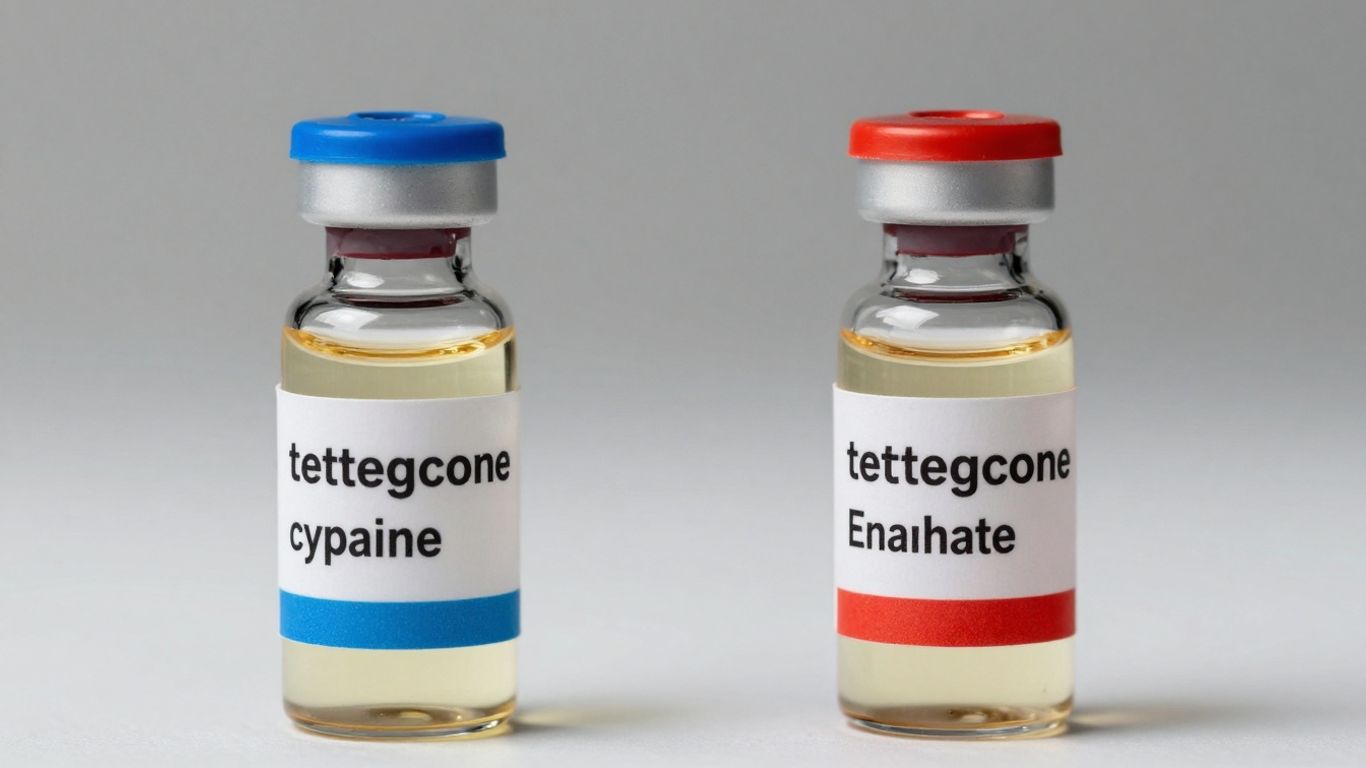
Factors Influencing Choice
Picking between testosterone enanthate and cypionate isn’t a one-size-fits-all deal. Your personal goals matter a lot here. Are you looking to manage low testosterone symptoms? Or perhaps boost athletic performance? Your body’s unique response is also a big factor. Some people feel better with one ester over the other. It often comes down to what works best for your individual system.
The Role of Healthcare Providers
Talking to a doctor is super important. They can help you figure out which ester fits your needs. They’ll look at your health history and hormone levels. A healthcare provider guides you toward a safe and effective treatment plan. They monitor your progress and adjust doses as needed. Don’t try to self-medicate; professional advice is key.
Long-Term Treatment Strategies
Think about how often you want to inject. Cypionate might mean slightly fewer shots than enanthate. This can make a difference for your routine. Also, consider cost and availability in your area. Your doctor will help you plan for the long haul. This ensures your treatment stays effective and manageable over time.
Wrapping It Up: Enanthate vs. Cypionate
So, we’ve looked at Testosterone Enanthate and Testosterone Cypionate. They’re pretty much the same in what they do for your body, like helping with low testosterone or building muscle. The main differences are small things like how long they stay in your system and what oil they’re mixed with. Some people might prefer one over the other just because it feels better or is easier to get. Really, the best way to figure out which one is right for you is to talk to a doctor. They can help you pick the one that fits your life and your body best. Don’t sweat the small stuff too much; both are solid choices for getting your testosterone levels where they need to be.
Frequently Asked Questions
What’s the main difference between Testosterone Cypionate and Enanthate?
Think of them like two slightly different flavors of the same ice cream. Both are testosterone, but they have different ‘tails’ called esters. Cypionate has a slightly longer tail, which means it stays in your body a bit longer than Enanthate. This might mean you need to inject a tiny bit less often, but for most people, the difference is very small.
Which one works better for building muscle?
Both Testosterone Cypionate and Enanthate are very similar in how they help build muscle and strength. They both give your body the testosterone it needs to grow muscle. The ester part doesn’t really change how effective they are for this purpose.
How often do I need to take shots with each one?
Usually, you’ll take shots every 7 to 10 days for both. Cypionate might let you go a day or two longer between shots because its tail is a bit longer, but many people use them on the same schedule.
Can I switch from Cypionate to Enanthate, or vice versa?
Yes, most of the time you can switch between them without a big problem. Doctors often see them as interchangeable because they work so much alike. Just talk to your doctor before you switch.
Does the type of oil they are mixed with matter?
Sometimes. Cypionate is often mixed with cottonseed oil, and Enanthate with sesame oil. If you have a sensitivity or allergy to one of these oils, you might feel more comfortable with the other. But for most people, it doesn’t make a difference.
Which one is more common or easier to get?
In the United States, Testosterone Cypionate is generally more common and prescribed more often. In other parts of the world, Testosterone Enanthate might be more widely available. Cost can also vary depending on where you are.
Will I feel different taking one over the other?
It’s possible, but usually not by much. Some people might feel slightly more stable hormone levels with one, or have a bit less soreness at the injection spot. It really depends on your own body and how it reacts.
Should I ask my doctor which one I should use?
Absolutely! Your doctor knows your health history and can help you figure out which one is best for you. They can explain the pros and cons based on your specific needs and goals.