




Thinking about testosterone replacement therapy? It’s a topic that comes up a lot, especially as guys get older. You might be wondering if it’s the answer to feeling more energetic, improving your sex drive, or building more muscle. But like anything medical, it’s not a simple yes or no. There are potential upsides, sure, but also things you really need to consider before jumping in. Let’s break down what testosterone replacement therapy is all about, who it might be for, and what you should know before you even talk to a doctor.
Key Takeaways
- Testosterone replacement therapy (TRT) is mainly prescribed for medically diagnosed low testosterone levels, not just for aging.
- While TRT can offer benefits like improved sexual health, mood, and muscle mass for some, it also carries risks.
- Potential side effects include issues with heart health, prostate health, and other adverse reactions.
- TRT is typically considered for men with symptomatic hypogonadism, requiring a doctor’s diagnosis and prescription.
- Various administration methods exist, and ongoing medical monitoring is vital to manage treatment and side effects.
Understanding Testosterone Replacement Therapy

What is Testosterone Replacement Therapy?
Testosterone replacement therapy, or TRT, is a treatment. It aims to bring testosterone levels back to a normal range. This therapy is for men with low testosterone. It can help restore hormone levels. TRT can improve quality of life for some men.
The Role of Testosterone in the Body
Testosterone is a key hormone. It plays a big part in male development. It affects muscle mass and bone density. It also influences sex drive and mood. The body makes testosterone naturally. Levels can change over time.
Indications for Testosterone Replacement Therapy
TRT is typically for men with hypogonadism. This means their body doesn’t make enough testosterone. Symptoms must be present along with low levels. A doctor must confirm the deficiency. TRT is not for everyone. It requires careful medical evaluation.
Natural Decline of Testosterone Levels
Age-Related Testosterone Reduction
Testosterone levels naturally start to drop as men get older. This decline usually begins around age 30 or 40. It’s a slow process, often around 1% per year. By the time men reach their 70s or 80s, many have significantly lower levels. This is a normal part of aging for most men.
The amount of free testosterone often decreases more than total testosterone. This happens because levels of sex hormone-binding globulin (SHBG) tend to rise with age. SHBG binds to testosterone, making it less available to the body. This shift can impact how testosterone affects you.
Symptoms of Low Testosterone
While testosterone declines with age, not all men experience symptoms. However, some common signs can appear. These include changes in sexual function, like reduced libido or fewer erections. Physical changes might also occur, such as increased body fat or less muscle strength. You might also notice a drop in energy levels or mood changes.
Some men report feeling less motivated or having lower self-confidence. Difficulty concentrating or remembering things can also be a symptom. It’s important to note that these symptoms can overlap with other health conditions. A doctor can help determine if low testosterone is the cause.
Diagnosing Testosterone Deficiency
Diagnosing low testosterone involves more than just looking at age. Doctors typically start with a physical exam and a discussion about your symptoms. They will ask about your medical history and any medications you take. Blood tests are crucial for measuring your testosterone levels. It’s often best to test in the morning when levels are highest.
Doctors look at both total and free testosterone levels. They also consider SHBG levels. Sometimes, other hormones are checked to rule out other issues. A diagnosis of hypogonadism requires both low testosterone levels and symptoms. This helps ensure treatment is appropriate for your specific situation. Low testosterone can stem from various factors, including natural aging or other health problems.
Potential Benefits of Testosterone Replacement Therapy
Improvements in Sexual Health and Libido
Low testosterone can really impact your sex drive. Many men find that TRT helps bring that back. It can improve erectile function too. This can lead to a better overall sex life.
Enhancements in Muscle Mass and Bone Density
Testosterone plays a big role in building muscle. TRT can help increase lean muscle mass. It also helps improve bone mineral density. This can make bones stronger and less prone to fractures. Restoring testosterone levels can lead to significant physical improvements.
Positive Effects on Mood and Energy Levels
Feeling tired or down? Low T might be a factor. TRT can boost energy levels. It may also improve mood and a general sense of well-being. Some men report better focus and cognitive function as well.
Restoring testosterone to normal levels can help with many symptoms of low T. This includes better mood, more energy, and improved sexual function. It also aids in building muscle and bone strength.
Here are some areas where TRT can make a difference:
- Sexual function and libido
- Muscle mass and strength
- Bone density
- Mood and energy
- Body composition
It’s important to remember that TRT is not a magic bullet. Results can vary from person to person. Discussing your specific situation with a doctor is key. They can help you understand what to expect. For instance, while TRT can help with muscle mass, it’s not a substitute for exercise. Combining TRT with a healthy lifestyle often yields the best results. You can find more information on hormone therapy options at testosterone therapy.
Exploring the Risks and Side Effects

While testosterone replacement therapy (TRT) can offer benefits, it’s not without potential downsides. It’s important to be aware of these risks before starting treatment. Discussing your personal health history with your doctor is key to understanding if TRT is a safe option for you.
Cardiovascular Health Considerations
Some studies suggest a possible link between TRT and an increased risk of serious heart problems. These can include heart attacks and strokes. Blood clots in the lungs or legs have also been reported. These issues might resolve after stopping the therapy, or reappear if treatment is restarted. Testosterone undecanoate may lead to elevated blood pressure, increasing the risk of serious cardiovascular events [652b].
Prostate Health and Cancer Concerns
There’s ongoing discussion about TRT’s impact on prostate health. Some men might experience an increase in prostate-specific antigen (PSA) levels. This can sometimes signal prostate issues. It’s vital to monitor prostate health closely during TRT. Doctors often use risk calculators and may recommend biopsies if PSA levels change significantly.
Other Potential Adverse Effects
TRT can lead to a range of other side effects. These might include acne or skin reactions. Some individuals may experience swelling in their hands or legs. Others might notice changes in mood or increased aggression. Sleep apnea can also be a concern for some patients.
- Sleep apnea
- Acne breakouts
- Mood swings
- Fluid retention
- Red blood cell increase (polycythemia)
Oral forms of testosterone, except for specific types like testosterone undecanoate, are generally not recommended due to potential liver issues. Transdermal or injectable forms are usually considered safer for the liver.
When Testosterone Replacement Therapy May Be Appropriate
Deciding if testosterone replacement therapy (TRT) is right for you involves careful consideration. It’s not a one-size-fits-all solution. Doctors typically consider TRT for men with confirmed low testosterone levels and noticeable symptoms. This approach aims to restore hormone levels to a healthy range. The decision should always be made with a healthcare professional.
Hypogonadism and Symptomatic Deficiency
Men experiencing hypogonadism, a condition where the body doesn’t produce enough testosterone, are primary candidates for TRT. This deficiency often comes with specific symptoms. These can include a low sex drive, fatigue, and mood changes. A doctor must diagnose both the low hormone levels and the presence of these symptoms. Without both, TRT is generally not recommended.
Evaluating Individual Health Status
Your overall health picture is important. Doctors will look at your medical history and current conditions. They consider factors like heart health and prostate health. Any existing health issues can influence the decision to start TRT. They also assess potential risks versus benefits for your specific situation. This personalized evaluation is key.
The Importance of Medical Consultation
Never start TRT without talking to a doctor. They can perform the necessary tests to check your testosterone levels. A blood test is the standard method. Your doctor will discuss your symptoms and health. They can explain the different treatment options available. This medical guidance helps ensure safe and effective treatment. It also helps manage expectations about what TRT can achieve. You can find more information on hormone therapy options here.
TRT is intended to treat a diagnosed medical condition. It is not a lifestyle enhancement. The goal is to alleviate symptoms of low testosterone. This improves quality of life for those who truly need it. Unsupervised use carries significant risks.
Testosterone Replacement Therapy Administration Methods
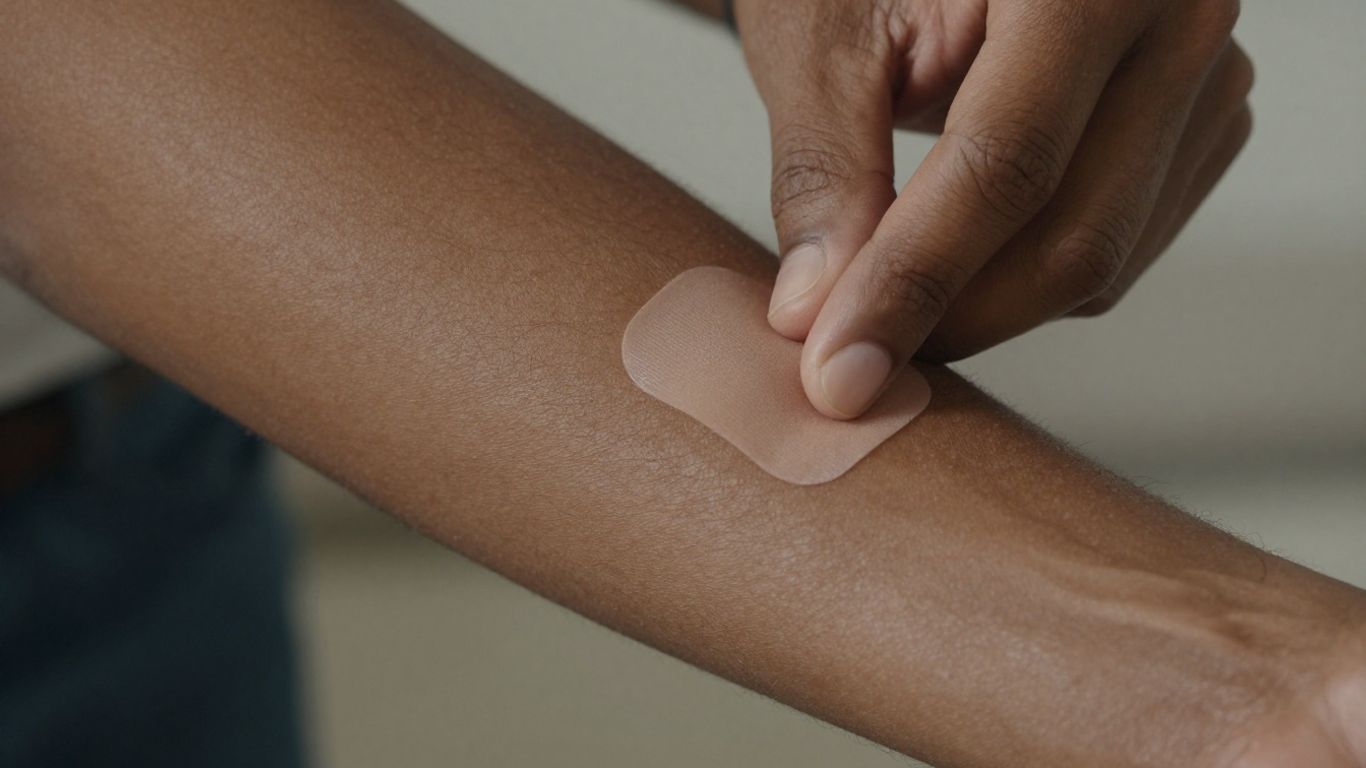
Testosterone replacement therapy (TRT) comes in several forms. Your doctor will help you choose the best method. The goal is to find a delivery system that works for your body and lifestyle.
Injectable Testosterone
Injections are a common TRT method. Doctors typically administer testosterone esters like cypionate or enanthate. These require injections every few weeks. Newer formulations, like testosterone undecanoate, allow for longer intervals between shots, sometimes up to three months. While effective, injections can cause peaks and valleys in hormone levels. This might lead to mood swings or energy fluctuations. Some men experience pain or soreness at the injection site.
Transdermal Patches and Gels
Transdermal options deliver testosterone through the skin. Patches are applied daily to the skin. Gels are rubbed into the skin, usually on the shoulders or abdomen. These methods aim for more stable hormone levels. They can mimic natural testosterone production. Skin irritation is a possible side effect with patches. Gels are generally well-tolerated. Be mindful of transferring the gel to others through skin contact.
Oral and Other Delivery Systems
Oral testosterone is available, but some older forms can affect the liver. Newer oral formulations are absorbed differently. They may have a better safety profile. Pellets implanted under the skin offer long-term testosterone release. Sublingual tablets dissolve under the tongue. Buccal systems adhere to the gums. Each method has its own absorption rate and potential side effects. Discussing these options with your doctor is important. The recommended starting dose for oral testosterone is 237 mg twice daily with food.
Monitoring and Management During Treatment
Essential Laboratory Monitoring
Keeping track of your health during testosterone replacement therapy (TRT) is really important. Your doctor will order regular blood tests. These tests check your testosterone levels. They also look at other markers like your red blood cell count. This helps ensure the therapy is working safely for you.
Your doctor will check your prostate-specific antigen (PSA) levels. They will also monitor your hematocrit. This is the percentage of red blood cells in your blood. High levels can be a concern. Your doctor will also check your lipid profile. This looks at your cholesterol levels.
Assessing Treatment Efficacy
We need to see if the TRT is actually helping your symptoms. Your doctor will ask about your energy levels. They will also ask about your mood and sexual function. These are key indicators of success. We usually check these things a few months after starting treatment.
If your symptoms aren’t improving, your doctor might adjust the dose. They may also consider other causes for your symptoms. It’s important to give the treatment time to work. Some benefits, like bone density changes, take longer to show up.
Managing Potential Side Effects
Like any treatment, TRT can have side effects. Some men experience skin irritation from gels or patches. Others might have pain at injection sites. We also watch for fluid retention or changes in mood.
It’s vital to report any new or bothersome symptoms to your doctor right away. Early detection allows for prompt management. This could involve dose adjustments or switching to a different delivery method. Your doctor can help you manage these issues effectively.
Your doctor will monitor for signs of sleep apnea. They will also check for any urinary issues. Regular check-ups are key to a safe and effective treatment plan. This helps us stay on top of any potential problems. We want to make sure you’re getting the most benefit with the fewest issues. You can find more information about testosterone therapy on the Endocrine Society website.
Testosterone Replacement Therapy for Non-Medical Use

Misconceptions About Performance Enhancement
Some people think testosterone replacement therapy (TRT) is a quick fix for athletic performance or bodybuilding. They believe it can magically build muscle and boost energy. This idea often comes from anecdotal stories or marketing. However, TRT is a medical treatment for diagnosed low testosterone. Using it without a medical need carries significant risks.
Risks of Unsupervised Use
Taking testosterone without a doctor’s supervision is dangerous. Your body might produce less testosterone on its own. This can lead to long-term problems. You could experience mood swings, acne, and hair loss. There’s also a risk of blood clots and heart issues. Unsupervised use can also affect your fertility. It’s not worth the gamble.
Ethical and Legal Considerations
Using testosterone for non-medical reasons raises ethical questions. It can create an unfair advantage in sports. Many sports organizations ban its use. The legal status of obtaining and using testosterone without a prescription varies. It’s often illegal to buy or possess without a valid prescription. You should always consult a healthcare professional before considering any testosterone products.
Using testosterone for non-medical purposes bypasses the careful evaluation and monitoring that a doctor provides. This can lead to serious health consequences that are often irreversible. It’s crucial to understand that TRT is not a lifestyle supplement.
The Evolving Landscape of Testosterone Therapy
Ongoing Research and Clinical Trials
The field of testosterone replacement therapy (TRT) is always changing. Scientists are still studying its effects. They want to know more about the long-term benefits and risks. New studies look at how TRT impacts heart health and other conditions. Research continues to refine our understanding of who can benefit most. This ongoing work helps doctors make better treatment choices.
Future Directions in Hormone Therapy
What’s next for hormone therapy? Researchers are exploring new ways to deliver testosterone. They are also looking at different hormone combinations. The goal is to find treatments that are safer and more effective. This could mean more personalized approaches for each patient. The future might hold treatments that better mimic the body’s natural hormone production.
Informed Decision-Making for Patients
Making a choice about TRT requires good information. Patients need to talk openly with their doctors. They should discuss their symptoms and health history. Understanding the potential upsides and downsides is key. This helps ensure the treatment plan fits individual needs. It’s about making a choice that supports your overall well-being. Discussing options like SARMs and traditional TRT is part of this process.
Wrapping Up Your Thoughts on TRT
So, we’ve talked a lot about testosterone replacement therapy, or TRT. It’s definitely not a simple fix for everything, and it’s not for everyone. While it can help some guys with genuinely low testosterone levels, it’s super important to remember it comes with its own set of potential problems. The biggest takeaway here is to have a real, honest chat with your doctor. They can help figure out if your symptoms are actually due to low T and if TRT is a safe and sensible option for you. Don’t just jump into it because you heard it might boost energy or muscle – make sure you understand all the ins and outs, the good and the bad, before you make any decisions. Your health is the main thing, after all.
Frequently Asked Questions
What exactly is testosterone replacement therapy (TRT)?
Testosterone replacement therapy, or TRT, is a treatment that gives you testosterone, a hormone your body makes. Doctors might suggest it if your body isn’t making enough testosterone on its own. It’s like giving your body a boost to bring your hormone levels back to normal.
Why do men’s testosterone levels drop?
As guys get older, usually starting in their late 20s or early 30s, their bodies naturally start making less testosterone. It’s a normal part of aging. Sometimes, certain health problems can also cause testosterone levels to go down.
What are the signs that my testosterone might be low?
If your testosterone is low, you might notice a few things. You could have less interest in sex, fewer erections when you wake up, or trouble getting or keeping an erection. You might also feel more tired, have less muscle, gain weight easily, or have trouble sleeping.
How do doctors know if I have low testosterone?
The only sure way to know is to see a doctor. They’ll give you a simple blood test to check your testosterone levels. Sometimes, they might need to test you more than once because your levels can change depending on things like when you eat, how active you are, or even the time of day.
What are the good things that can happen with TRT?
When TRT is used correctly for low testosterone, it can help improve your sex drive and sexual function. It might also help you build more muscle, make your bones stronger, and even boost your mood and energy levels, making you feel more like yourself.
Are there any dangers or side effects with TRT?
Yes, there can be risks. TRT might affect your heart health or your prostate. Some people might experience acne, swelling in their legs, or breathing problems like sleep apnea. It’s really important to talk to your doctor about all the possible downsides.
Who should NOT use TRT?
TRT isn’t for everyone. If you have certain health issues, like a history of heart problems, stroke, or certain types of cancer, your doctor might say it’s too risky for you. It’s also generally not recommended just to fight normal aging if your levels aren’t truly low.
How is TRT given, and how often do I need to see a doctor?
TRT can be given through shots, skin patches, gels, or sometimes pills. Your doctor will choose the best method for you. You’ll need regular check-ups and blood tests to make sure the treatment is working well and to watch out for any side effects.