


Hey everyone! So, peptides are kind of a hot topic lately, right? You hear about them for everything from looking younger to getting stronger. It can be a bit much to sort through, but they’re basically these tiny protein bits that do some pretty cool stuff in your body. Today, we’re going to zero in on one in particular: 5-Amino-1MQ, especially when used as an injection. We’ll chat about what it does, why people are using it, and how to go about it safely. Let’s get into it!
Key Takeaways
- Peptides are short chains of amino acids that act as signals in your body, helping with various functions like tissue repair and fat burning.
- 5-Amino-1MQ is a peptide that can help improve how your body uses fat for energy, boost strength, and increase how long you can keep going during physical activity.
- While peptides aren’t FDA-approved for medical use, they are available for research and can be obtained from reputable sources.
- When considering peptide use, like a 5 amino 1mq injection, it’s important to start with small doses and pay close attention to how your body responds.
- Always talk to a healthcare professional before starting any new peptide regimen to ensure it’s safe and appropriate for your individual health needs.
What Are Peptides?
Peptides are short chains of amino acids. Think of them as tiny messengers in your body. They tell your cells what to do. These molecules are vital for many bodily functions. They help keep you healthy and working right.
These small protein fragments act like signaling molecules. They can direct cells to perform specific tasks. This includes things like tissue repair or fat burning. Some peptides are already in your body. Supplementing with them can support processes that slow down with age. They are not like typical drugs. Peptides usually break down into natural compounds. This often means fewer side effects.
Peptides are used for different reasons. People use them for healing and recovery. Others use them for fat loss and muscle gain. They can also help with hormone balance. Many seek them for overall longevity. Peptides are essentially building blocks that direct biological activity. Understanding them helps see their potential benefits. They are a fascinating area of wellness science. You can find more information on peptide types to see their varied roles.
The 4 Key Reasons People Use Peptides
Peptides are becoming more common. Many people are using them for different health goals. We can group these uses into four main areas. Understanding these categories helps explain why peptides are so popular today.
- Healing and Recovery: This is a big one for many. People use peptides to help their bodies bounce back faster. This includes recovering from injuries or surgery. It can also help with everyday aches and pains.
- Fat Loss and Muscle Growth: Athletes and fitness enthusiasts often look to peptides here. They can help shed extra weight. They also support building lean muscle mass. This leads to better physical performance.
- Hormone Optimization: As we age, hormone levels can change. Peptides can help balance these levels. This can lead to more energy and better overall well-being.
- Longevity and Healthspan: This area focuses on living a longer, healthier life. Peptides may help slow down aging processes. They can support cellular health. This helps people feel better for more years.
Peptides are not a magic fix. They work best when combined with good lifestyle choices. Think healthy eating, regular exercise, and enough sleep. They are tools to support your body’s natural functions.
Peptides For Healing & Recovery
Injuries happen. Whether it’s a sports mishap, a surgical recovery, or just everyday wear and tear, the body needs support to mend.
Peptides offer a promising avenue for accelerating this natural process. They act as signaling molecules, telling your cells what to do. This can mean telling them to repair damaged tissue or reduce inflammation.
These compounds can significantly speed up the healing of soft tissues. This includes muscles, tendons, and ligaments. They also show benefits for gut health and joint pain.
Several peptides are particularly noted for their recovery properties:
- BPC-157: Often called "The Wolverine Peptide," it helps form new blood vessels. This aids healing throughout the body.
- TB-500: Works alongside BPC-157. It helps lower inflammation and speeds up tissue repair.
- GHK-Cu: This peptide supports skin and soft tissue regeneration. It’s also used for hair regrowth.
Exploring peptide therapy can be a smart move for anyone dealing with persistent injuries. It’s about giving your body the tools it needs to bounce back faster and stronger.
For instance, someone with a torn meniscus or rotator cuff injury might find relief and faster healing by incorporating these peptides. It’s a way to potentially avoid more invasive procedures. You can find more information on peptide therapy and its applications in regenerative medicine.
Combining certain peptides can create a powerful stack for recovery. This approach aims for a synergistic effect, multiplying the benefits. It’s about optimizing your body’s natural repair mechanisms.
Peptides For Fat Loss & Muscle Growth (Performance)
Peptides are becoming popular for fitness goals. Many people use them to help shed extra weight. They also help build lean muscle mass. This can give you a more sculpted physique.
Some peptides work by telling your body to release more growth hormone. This hormone helps burn fat. It also aids in muscle repair and growth. This makes them useful for both cutting and bulking phases.
Here are some peptides often used for performance:
- Ipamorelin: Stimulates growth hormone release. It does this without messing up your natural hormone production. It’s generally considered safe.
- CJC-1295: Often used with Ipamorelin. It can boost its effects. Better sleep is another reported benefit.
- Tesamorelin: This one is known for targeting belly fat. It was originally for people with specific medical needs.
- MOTS-c: A mitochondrial peptide. It can help boost your metabolism. It also improves your ability to handle tough workouts.
- SS-31: Another mitochondrial peptide. It increases cellular energy. This is great for athletes needing more stamina.
Using these peptides can help you recover faster after training. This means you can train harder and more often. It’s important to remember that peptides work best with good habits. They are not a replacement for diet and exercise. You still need to eat well and train consistently. Combining peptides with a solid fitness plan can yield great results. For example, some people find that using peptides alongside Anavar and Deca Durabolin can be effective for different goals.
Peptides can be a powerful tool for fat loss and muscle gain. They work by influencing natural bodily processes. Always consult a healthcare professional before starting any new supplement. They can help you choose the right peptides for your goals. Responsible use is key to seeing benefits.
Getting started involves understanding your body. Lab work is a good first step. Knowing your baseline health helps. Then, pick one or two peptides. See how your body responds. Consistency is important for most peptides. Many are taken daily. Lifestyle factors like sleep and nutrition are also vital. Peptides amplify good habits, they don’t replace them.
Peptides For Hormone Optimization
As we get older, our bodies naturally produce less of certain hormones. This can lead to issues like fatigue, brain fog, and a lower sex drive. While hormone replacement therapy is an option, peptides can offer a gentler way to help balance things out. They act as signals to encourage your body to function more optimally.
Some peptides work by stimulating your body to release more growth hormone. Others can influence different hormonal pathways. This can help combat some of the common effects of aging.
Here are a few peptides often discussed for hormone support:
- Ipamorelin and CJC-1295: These are known for stimulating natural growth hormone release.
- Thymosin Alpha-1: This peptide supports both immune and hormonal functions.
- GLP-1 Agonists: While often used for metabolic health, they can also play a role in hormone balance.
It’s important to remember that peptides are tools. They work best when combined with a healthy lifestyle. Good nutrition, regular exercise, and quality sleep are still the foundation of good health.
Before starting any peptide regimen, it’s wise to get your hormone levels checked. Knowing your baseline helps you and your doctor understand what you’re trying to achieve. This information is key for making informed decisions about your health. You can find more details on preparing peptides for use in guides about mixing powdered SARMs.
Peptides can be a useful addition for those looking to support their hormonal health. They offer a targeted approach to address age-related changes. Always consult with a healthcare professional to see if they are right for you.
Peptides For Longevity & Health-span

Peptides are gaining attention for their potential to support a longer, healthier life. They work by signaling cells to perform specific functions. This can include repairing damage and improving overall bodily processes. Many people use peptides to combat the effects of aging.
Some peptides may help slow down aging markers. They can improve how our cells function. This might lead to better energy and vitality as we get older. Think of it as giving your body extra support to stay robust.
Research is exploring peptides that could influence cellular aging. For instance, some studies look at telomere length. Telomeres protect our chromosomes. Shorter telomeres are linked to aging. Certain peptides might help maintain them.
Peptides offer a way to support the body’s natural systems. They can help cells work better. This contributes to overall well-being. It’s about living not just longer, but better.
Here are a few peptides often discussed for longevity:
- Epitalon: This peptide has been studied for its effects on aging biomarkers. It may help protect cells from damage. Some research suggests it could influence telomere length. This is a key area in aging studies.
- Thymosin Alpha-1: This peptide plays a role in the immune system. A strong immune system is vital for health. It helps the body fight off illness. This can contribute to a longer, healthier life.
- GHK-Cu: This peptide is known for its effects on skin. It can help with skin repair. It may also promote collagen production. Better skin health is often associated with overall vitality.
Integrating peptides into a healthy lifestyle is key. Good nutrition and exercise are still important. Peptides can complement these efforts. They are not a replacement for basic health practices. Consider them an addition to your wellness plan. You can find more information on peptide research here.
Starting with peptides requires careful consideration. It is always best to consult with a healthcare professional. They can help you understand if peptides are right for you. They can also guide you on safe usage. This ensures you get the most benefit.
5-Amino-1MQ: A Closer Look
Let’s talk about 5-Amino-1MQ. This compound is gaining attention in the peptide world. It’s known for its effects on metabolism and energy. Many people are looking into it for performance and body composition goals.
5-Amino-1MQ works by influencing certain metabolic pathways. It’s thought to play a role in how your body uses fat for energy. This can lead to improved fat oxidation. It might also help with strength and how long you can keep going during exercise.
Here’s a quick rundown of what people are noticing:
- Improved fat burning.
- Increased energy levels.
- Better endurance during workouts.
- Potential for enhanced strength.
This peptide can be used in a couple of ways. You can take it orally, or some people opt for injections. The method of use can depend on individual preference and desired outcomes. Always follow recommended protocols.
It’s important to remember that research on 5-Amino-1MQ is ongoing. While early results are promising, more studies are needed to fully understand its long-term effects and optimal usage. Approach with informed curiosity.
When considering 5-Amino-1MQ, think about your personal health objectives. It’s often discussed alongside other peptides for a combined effect. However, it’s wise to start with one compound to see how your body responds. This helps in pinpointing what works best for you.
Safe Usage Guidelines for Peptide Supplementation
Peptides can be powerful tools for your health. However, using them safely is really important. Always talk to a doctor before you start any new peptide regimen. They can help you figure out what’s best for your body and health goals. This step is non-negotiable.
Finding good quality peptides matters a lot. Look for companies that are open about how they make their products. They should also share details about the ingredients. If a source seems shady, it’s best to avoid it. Third-party testing is a good sign of quality.
Dosage is another key factor. What works for one person might not work for you. Start with the lowest recommended dose. Pay close attention to how your body responds. If you notice any strange effects, stop using the peptide and consult your doctor.
Here are some general guidelines:
- Consult a Healthcare Professional: Always get medical advice first.
- Source Reputable Suppliers: Choose companies with transparent practices.
- Start Low and Go Slow: Begin with minimal doses and monitor your body.
- Listen to Your Body: Adjust or stop if you experience adverse effects.
- Store Properly: Follow storage instructions to maintain peptide integrity.
Remember that peptides are not a magic fix. They work best when combined with a healthy lifestyle. Good nutrition, regular exercise, and adequate sleep are still vital for your well-being. Peptides can support these efforts, but they don’t replace them.
How to Get Started with Peptides
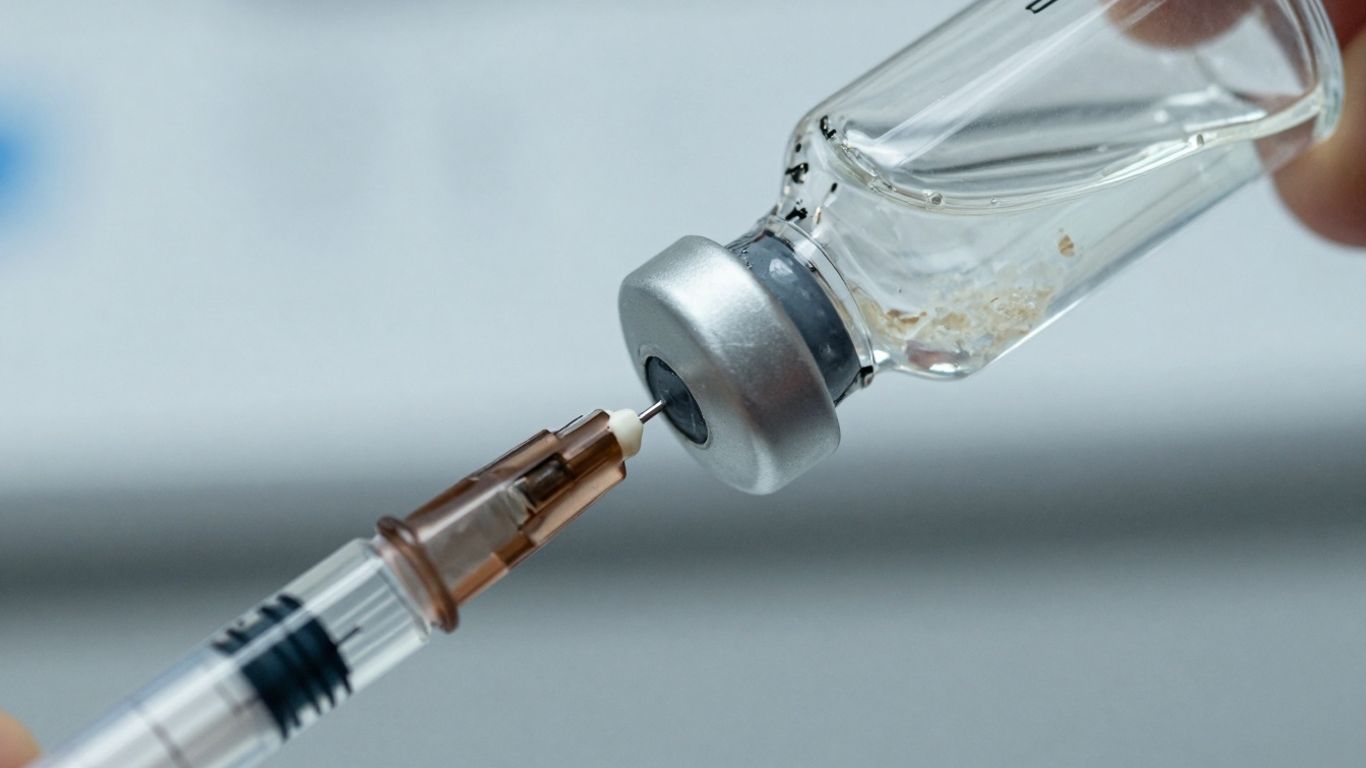
Ready to explore peptides? It’s smart to begin with a clear plan. First, get some lab work done. This helps you understand your current health status. Knowing your hormone levels and other markers is important.
Next, pinpoint your main goal. Are you focused on recovery, fat loss, or something else? Having a specific objective guides your peptide choices. Don’t try to tackle everything at once.
Start with just one or two peptides. See how your body responds to them. This approach helps you avoid overwhelming your system. It’s better to monitor effects carefully.
Consistency is key for most peptide injections. Many are taken daily or five times a week. Some come in easy-to-use pens now. This simplifies the daily routine.
Remember that peptides work best with healthy habits. They amplify good choices, not replace them. Focus on nutrition, exercise, sleep, and stress management. These lifestyle factors are still the foundation of good health.
Peptides are powerful tools, not magic solutions. They require research and responsible use. Always prioritize your overall health before starting any new supplement regimen.
Real-Life Success Stories
People are finding real benefits from using peptides. Emma, a 32-year-old, used Melanotan. She wanted a natural tan for beach trips. After a few doses, she got a nice glow. Her skin also became less sensitive to the sun. "I can be outside without burning," she said. Her confidence grew with her new complexion.
Mike, a fitness enthusiast, struggled with stubborn fat. He tried many things without success. Then he started using CJC-1295. He noticed changes in his muscle tone and energy. "I felt like I finally hit beast mode," he shared. Better recovery helped him lift more and lose belly fat.
Sarah, 45, added growth hormone-releasing peptides. She felt more energetic and vital. "My energy levels went way up," she explained. She now hikes often and feels younger. She even says she can outrun her kids.
These stories show how peptides can help in different ways. They can improve skin, fitness, and energy. Using peptides with a healthy lifestyle brings the best results. It’s about living better, not just longer. Consider exploring peptide options for your own goals.
Remember that peptides work best with good habits. Combine them with a balanced diet and regular exercise. This approach maximizes their positive effects. Think of it as a complete wellness strategy.
Many users report positive changes. They feel more energetic and recover faster. Some see improvements in their skin and body composition. These personal accounts highlight the potential of peptide supplementation. You can find great deals on supplements like these using discount codes, for example, SARMS16 for 16% off.
Wrapping Up: Your Peptide Path Forward
So, we’ve looked at what 5-Amino-1MQ can do, from helping with fat loss to boosting endurance. It’s pretty interesting stuff, and it seems like it could be a useful tool for some people looking to improve their fitness or energy levels. Remember though, this isn’t a magic fix. Like anything you add to your health routine, it’s best to do your homework. Talk to a doctor or a health pro to see if it’s a good fit for you, and always start with the smallest dose to see how your body reacts. Using these kinds of compounds responsibly is key to getting the good results without the unwanted surprises. Keep learning and make informed choices for your well-being.
Frequently Asked Questions
What exactly are peptides?
Think of peptides as tiny messengers in your body. They’re like short strings made of building blocks called amino acids. These messengers tell your body to do specific jobs, like helping your muscles heal, making your skin look younger, or even helping you burn fat.
Why do people use peptides?
People use peptides for a few main reasons. Some want to help their bodies heal faster from injuries or surgery. Others use them to help lose weight and build muscle, kind of like an extra boost for workouts. Some people use them to help balance their hormones as they get older, and others are looking for ways to live longer and stay healthier as they age.
Is it safe to use peptides?
Using peptides can be safe if you do it the right way. It’s super important to get them from trusted sources that are clear about how they’re made. Always start with a small amount and see how your body reacts. It’s also a really good idea to talk to a doctor or health expert before you start using any peptides, just to make sure it’s the right choice for you.
How do I know if I need peptides?
It’s best to figure out what your main health goal is first. Are you trying to recover from an injury? Want to lose fat? Or maybe boost your energy? Once you know what you want to achieve, you can look into which peptides might help. Getting some health tests done first, like checking your hormone levels, can also give you a good idea of where you stand.
Can I just take a lot of peptides to get faster results?
No, that’s not a good idea! Just because a little bit helps doesn’t mean more is better. Taking too much can be risky and might cause problems. It’s always best to follow the recommended amounts. Think of it like adding salt to food – a little enhances the flavor, but too much ruins it.
Are peptides like steroids?
Peptides are quite different from steroids. Steroids can have stronger effects and sometimes more serious side effects. Peptides are generally seen as a gentler way to help your body do what it’s supposed to do, often with fewer risks because they break down into natural substances your body already uses.
What is 5-Amino-1MQ?
5-Amino-1MQ is a specific type of peptide that people are looking into for a few benefits. It’s thought to help the body burn fat more effectively, increase strength, and improve how long you can keep going during physical activity. It’s pretty cool because it can sometimes be taken as a pill or injected.
Do peptides work for everyone?
Everyone’s body is different, so peptides might affect people in various ways. What works wonders for one person might not do much for another. That’s why it’s important to pay attention to how your own body responds and to work with health professionals to find what’s best for your unique situation.